RTX and H55 Advance Hybrid-Electric Aviation
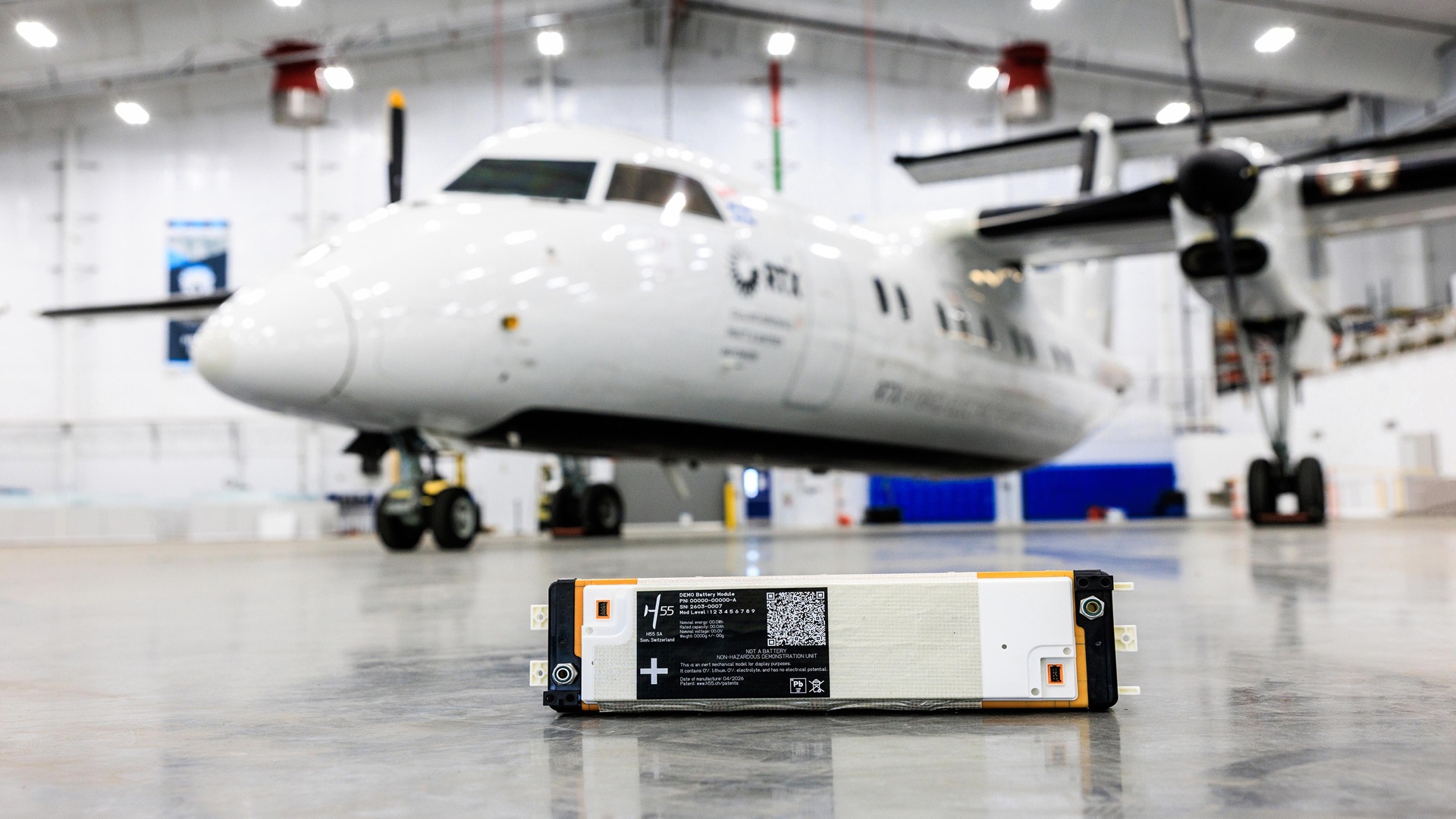
RTX has taken a significant step toward sustainable aviation by integrating certification-grade battery modules from H55 into its hybrid-electric flight demonstrator. The battery modules, delivered to Pratt & Whitney Canada, are designed to meet rigorous certification standards, marking a milestone in the development of hybrid-electric propulsion systems for aircraft.
Certification-Grade Battery Technology
H55, a Swiss company specializing in electric propulsion systems, has supplied its certification-grade battery modules to Pratt & Whitney Canada. These batteries are engineered to comply with aviation safety and performance requirements, a critical factor for eventual commercial deployment. The modules are part of RTX's broader hybrid-electric demonstrator program, which aims to reduce fuel consumption and emissions in regional and commuter aircraft.
The battery system is designed to provide high energy density while maintaining thermal stability and long cycle life. H55's technology leverages experience from electric aviation projects and is intended to support both hybrid and fully electric aircraft configurations.
Hybrid-Electric Demonstrator Program
The hybrid-electric demonstrator, developed under RTX's innovation umbrella, combines a conventional gas turbine engine with electric motors powered by batteries. This configuration allows for optimized efficiency during different phases of flight, such as takeoff, climb, and cruise. The integration of H55's battery modules is a key enabler for the demonstrator, which is expected to undergo ground and flight testing in the coming years.
RTX has not disclosed specific performance metrics or timelines, but the program aligns with industry goals to achieve net-zero carbon emissions by 2050. Hybrid-electric propulsion is seen as a bridging technology to fully electric aircraft, offering immediate reductions in fuel burn and emissions without requiring entirely new airframe designs.
Industry Implications
The collaboration between RTX and H55 highlights the growing importance of battery technology in aviation. Certification-grade batteries are essential for safety and regulatory approval, and H55's modules are among the first to be designed specifically for aviation certification. This development could accelerate the adoption of hybrid-electric systems in regional aircraft, potentially reducing operating costs and environmental impact.
Other aerospace companies, including Airbus and Boeing, are also exploring hybrid-electric and all-electric aircraft. However, RTX's demonstrator program with H55 represents a concrete step toward practical implementation, leveraging existing engine platforms and battery advancements.
Future Outlook
As the demonstrator progresses, RTX will likely share more details about the hybrid-electric system's performance and certification pathway. The successful integration of H55's battery modules suggests that the technology is maturing, though challenges remain in energy density, weight, and cost. Nevertheless, this milestone brings the aviation industry closer to a more sustainable future.
This article is based on reporting by Interesting Engineering. Read the original article.
Originally published on interestingengineering.com