অন-অরবিট সার্ভিসিং এখন ধারণা থেকে সক্ষমতার দিকে এগোচ্ছে
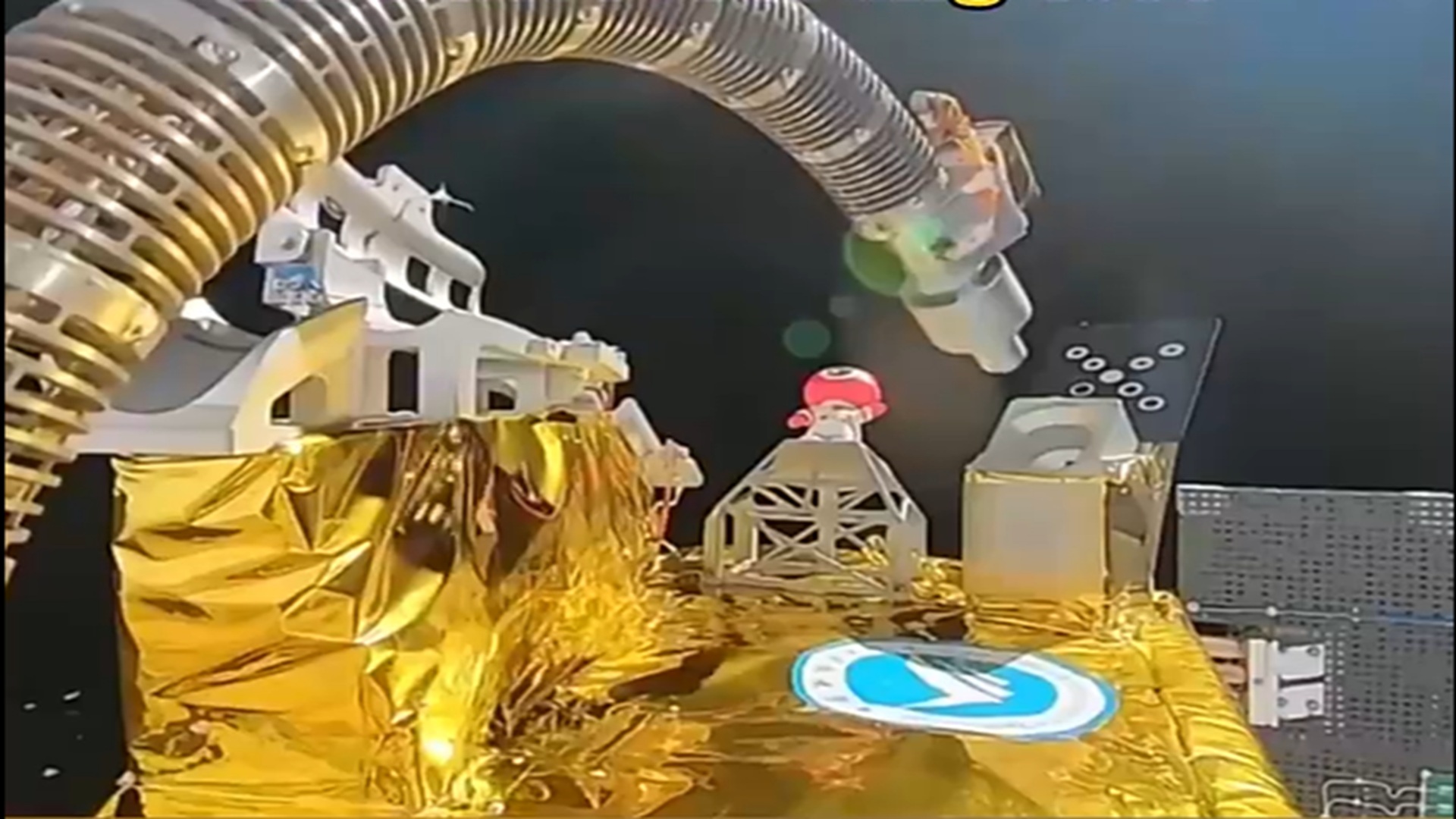
একটি চীনা বাণিজ্যিক প্রযুক্তি-প্রদর্শনী স্যাটেলাইট নাকি মহাকাশে মেরামত কাজের জন্য লক্ষ্য করা একটি নমনীয় রোবোটিক বাহু নিয়ে কক্ষপথে একাধিক পরীক্ষা সম্পন্ন করেছে। সরবরাহ করা সীমিত বিবরণ থেকেই এর গুরুত্ব স্পষ্ট। স্যাটেলাইট সার্ভিসিং দীর্ঘদিন ধরে কক্ষপথভিত্তিক কার্যক্রমের সবচেয়ে আকর্ষণীয় এবং কঠিন লক্ষ্যগুলোর একটি। হার্ডওয়্যার নষ্ট হয়, ক্ষয়প্রাপ্ত হয়, পথচ্যুত হয়, বা অচল হয়ে পড়ে; তবু সেগুলোকে এখনও বেশিরভাগ ক্ষেত্রে ব্যবহার-শেষ বস্তু হিসেবেই ধরা হয়, কারণ কক্ষপথে পৌঁছে সেগুলোকে নাড়াচাড়া করা প্রযুক্তিগতভাবে অত্যন্ত কঠিন।
একটি নমনীয় রোবোটিক বাহু সরাসরি সেই সমস্যাকেই লক্ষ্য করে। প্রচলিত মহাকাশ রোবোটিক্স শক্তিশালী হতে পারে, কিন্তু যখন কোনো যানকে এমন লক্ষ্যবস্তুর সঙ্গে কাজ করতে হয় যা সার্ভিসিংয়ের জন্য নকশা করা নয়, যা দুলতে পারে, বা যাদের সঙ্গে সূক্ষ্ম সংস্পর্শ দরকার, তখন নমনীয়তা গুরুত্বপূর্ণ হয়ে ওঠে। আরও অনুগত একটি ব্যবস্থা ভবিষ্যতের স্থাপত্যে যন্ত্রাংশ বদলানোসহ পরিদর্শন, স্থিতিশীলকরণ এবং মেরামত সহায়তা পর্যন্ত একটি মহাকাশযান যে সব কাজ করতে পারে তার পরিসর বাড়াতে পারে।
কক্ষপথে নমনীয়তা কেন গুরুত্বপূর্ণ
মহাকাশ কার্যক্রম নানা ভাবে কঠোরতাকে শাস্তি দেয়। ডকিং, গ্র্যাপলিং, এবং কাছাকাছি চলাচল সবই অনিশ্চয়তা, বিলম্ব, এবং ঝুঁকি নিয়ে আসে। শিরোনামে বর্ণিত অতিনমনীয় বাহুটি দেখায় যে সংস্পর্শ-পরিস্থিতিতে রোবোটিক সিস্টেমকে আরও সহনশীল করার একটি প্রচেষ্টা চলছে। স্থলভিত্তিক রোবোটিক্সে, অনুগততা অনির্দেশ্য পরিবেশের সঙ্গে কাজ করার সময় ক্ষতি এড়াতে সাহায্য করতে পারে। কক্ষপথে, ঝুঁকি আরও বেশি, কারণ অতিরিক্ত বলপ্রয়োগকারী মিথস্ক্রিয়া সেবা-যান এবং লক্ষ্য সম্পদ উভয়কেই বিপদে ফেলতে পারে।
এটি কেবল মেরামতের জন্য নয়, পরিদর্শন এবং আয়ু বৃদ্ধির জন্যও গুরুত্বপূর্ণ। কিছু ঠিক করার আগে একটি মহাকাশযানের কাছে পৌঁছাতে হয়, তার অবস্থা নির্ণয় করতে হয়, এবং নিয়ন্ত্রিতভাবে তা পরিচালনা করতে হয়। আরও অভিযোজ্য একটি বাহু সেই প্রাথমিক ধাপগুলোকে সমর্থন করতে পারে, যা অনেক সময় প্রকৃত রক্ষণাবেক্ষণ কাজের মতোই গুরুত্বপূর্ণ। এর ফল হলো এমন কক্ষীয় অবকাঠামোর দিকে আরও বিস্তৃত ধারা, যা কেবল উৎক্ষেপণ ও পর্যবেক্ষণ নয়, পারস্পরিক কাজও করতে পারে।
বাণিজ্যিক দিকটিও গুরুত্বপূর্ণ। প্রদত্ত উপাদানটি প্ল্যাটফর্মটিকে কেবল সরকারি বিজ্ঞান মিশন নয়, একটি চীনা বাণিজ্যিক স্যাটেলাইট হিসেবে চিহ্নিত করে। এটি ইঙ্গিত দেয় যে অন-অরবিট সার্ভিসিং এখন দূরবর্তী গবেষণার আকাঙ্ক্ষা নয়, বরং একটি শিল্পক্ষেত্রে পরিণত হচ্ছে। বাণিজ্যিক অপারেটরদের জন্য বিদ্যমান স্যাটেলাইট থেকে মূল্য পুনরুদ্ধার, প্রতিস্থাপন চক্র কমানো, এবং পরিদর্শন, মেরামত, স্থানান্তর, ও ধ্বংসাবশেষ-সম্পর্কিত পরিষেবাকে ঘিরে নতুন বাজার গড়ে তোলার প্রণোদনা রয়েছে। একটি সফল পরীক্ষা, এমনকি প্রযুক্তি-প্রদর্শন হলেও, সরাসরি সেই বাণিজ্যিক যুক্তিকে শক্তিশালী করে।

কৌশলগত প্রভাবসম্পন্ন প্রতিযোগিতামূলক ক্ষেত্র
অন-অরবিট সার্ভিসিং উদ্ভাবন, অর্থনীতি, এবং জাতীয় সক্ষমতার সংযোগস্থলে অবস্থিত। যে সরঞ্জামগুলো স্যাটেলাইট মেরামত সম্ভব করে, সেগুলো জ্বালানি ভরাট, সমাবেশ, এবং বিস্তারিত নিকটবর্তী কার্যক্রমেও সহায়তা করতে পারে। এ কারণেই এই প্রযুক্তি শ্রেণি এত নিবিড়ভাবে দেখা হয়। এটি মূল্যবান মহাকাশযানের আরও টেকসই ব্যবহার সম্ভব করে, কিন্তু উৎক্ষেপণের পর মহাকাশ ব্যবস্থা কী করতে পারে তাও বদলে দেয়।
চীনের বাণিজ্যিক মহাকাশ খাতের জন্য, একটি নমনীয় রোবোটিক বাহুর সফল পরীক্ষা একটি বৃহত্তর বার্তাকে জোরদার করবে: কক্ষীয় রোবোটিক্স বিশুদ্ধ পরীক্ষামূলক পর্যায় থেকে বেরিয়ে আসছে। ক্ষেত্রটি আরও মডুলার, আরও পরিষেবা-ভিত্তিক, এবং কেবল পৌঁছানোর চেয়ে দক্ষতার উপর বেশি মনোযোগী হয়ে উঠছে। যদি মহাকাশ অবকাঠামোকে স্থলভিত্তিক অবকাঠামোর মতো মেরামতযোগ্য করতে হয়, তবে এই বিবর্তন অপরিহার্য। এমন ক্ষমতা না থাকলে, প্রতিটি বড় ত্রুটি অপ্রতিসংহার্য ক্ষতিতে পরিণত হয়।
সরবরাহ করা উপাদান পরীক্ষার পূর্ণ পরিসর, বাহুটির নির্দিষ্ট নকশা, বা পরবর্তী মিশন মাইলফলক নির্ধারণ করে না, তাই সেসব বিবরণ এখানে নিশ্চিতভাবে বলা যাচ্ছে না। তবে গতিপথ স্পষ্ট। শিল্প এখন স্যাটেলাইটকে আর এমন সিল করা বাক্স হিসেবে দেখে না যেগুলোকে কক্ষপথে পাঠিয়ে সেখানেই পুরোনো হতে দেওয়া হবে; বরং এমন সম্পদ হিসেবে দেখে যেগুলো ভবিষ্যতে অন্য মহাকাশযান দ্বারা পরিদর্শন, জ্বালানি ভরাট, স্থানান্তর, বা মেরামত করা যেতে পারে।
এই কারণেই একটি প্রযুক্তি-প্রদর্শনী স্যাটেলাইট নিয়ে সংক্ষিপ্ত প্রতিবেদনও নজর কাড়ে। ভৌত মিথস্ক্রিয়া যখন নিয়মিত হয়ে যায়, তখন মহাকাশ কার্যক্রম বদলে যায়। একটি নমনীয় রোবোটিক বাহু ছোট উপব্যবস্থা মনে হতে পারে, কিন্তু বাস্তবে এটি অনেক বড় পরিবর্তনের ইঙ্গিত দেয়: কক্ষপথ ধীরে ধীরে এমন জায়গা হয়ে উঠছে যেখানে যন্ত্র অন্য যন্ত্রের ওপর কাজ করে, কেবল এমন জায়গা নয় যেখানে হার্ডওয়্যার ভেঙে পড়া পর্যন্ত সেটিকে একা ফেলে রাখা হয়।
এই নিবন্ধটি Interesting Engineering-এর প্রতিবেদনের ভিত্তিতে লেখা। মূল নিবন্ধটি পড়ুন.
Originally published on interestingengineering.com