AI-কে ভাগ্য হিসেবে বিক্রি করা হচ্ছে
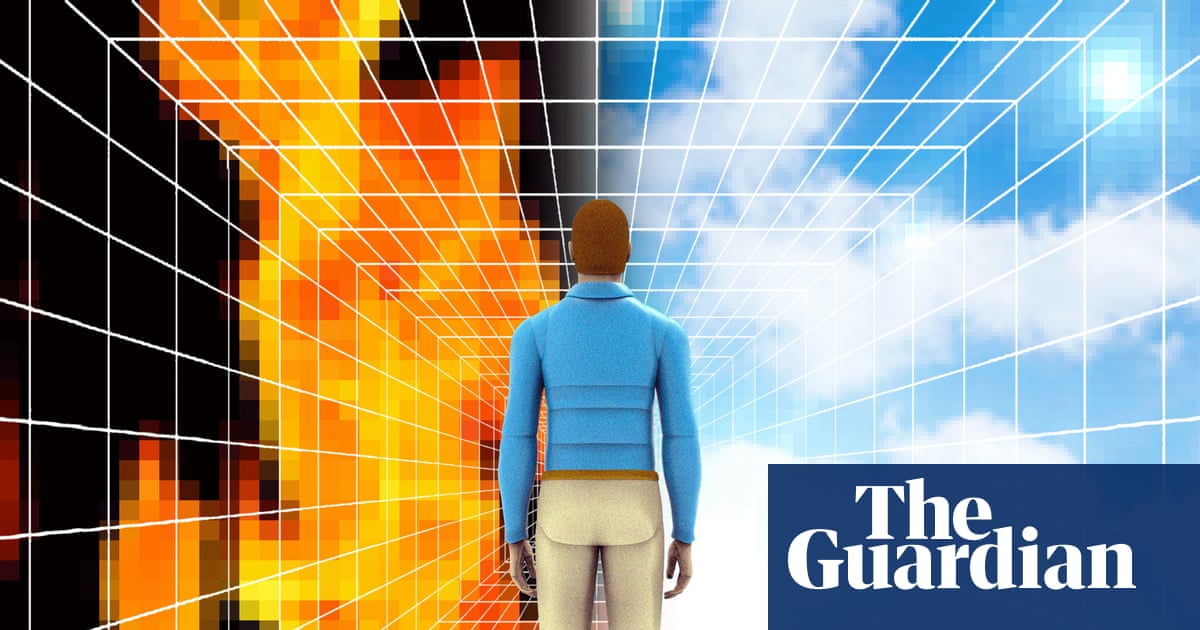
কৃত্রিম বুদ্ধিমত্তা নিয়ে জনপরিসরের বিতর্ক ক্রমশ এমন দুইটি পরস্পরবিরোধী রূপে হাজির হচ্ছে, যা অদ্ভুতভাবে একে অপরকে শক্তিশালী করে। AI-কে এমন এক আশ্চর্য হিসেবে দেখানো হচ্ছে, যা উৎপাদনশীলতা ও প্রাচুর্যের দরজা খুলে দেবে, অথবা এমন এক শক্তি হিসেবে, যা চাকরি, প্রতিষ্ঠান এবং সামাজিক স্থিতিশীলতা উড়িয়ে দেবে। দুই ক্ষেত্রেই সাংস্কৃতিক প্রভাব একই: AI-কে আর সরঞ্জাম ও রাজনৈতিক সিদ্ধান্তের সমষ্টি হিসেবে নয়, বরং এমন এক নিয়তি হিসেবে দেখা হচ্ছে, যার সঙ্গে বাকিদের মানিয়ে নিতে হবে।
মূল লেখাটি এই মানসিকতাকে “AI absolutism” বলে বর্ণনা করেছে। এটি AI সম্পর্কে এমনভাবে কথা বলার অভ্যাস, যেন এটি এক দেবতুল্য শক্তি, যা বা তো এক স্বর্ণযুগ ত্বরান্বিত করবে, বা ধস ডেকে আনবে। এই কাঠামো গুরুত্বপূর্ণ, কারণ এটি সাধারণ গণতান্ত্রিক প্রশ্নের পরিসর সংকুচিত করে। ভবিষ্যৎ যদি ইতিমধ্যেই প্রযুক্তি দিয়ে লিখে ফেলা হয়, তাহলে শ্রমনীতি, বাজার-সংগঠন, শিক্ষা, মালিকানা এবং সামাজিক সুরক্ষা নিয়ে বিতর্ককে গৌণ বা নিরর্থক বলে মনে হতে শুরু করে।
এটাই বর্তমান আলোচনাকে এত ক্লান্তিকর মনে হওয়ার এক কারণ। মানুষকে শুধু দ্রুত বদলানো একটি প্রযুক্তি বুঝতে বলা হচ্ছে না। তাদের পরস্পরবিরোধী নিশ্চয়তার কাছে আবেগগতভাবে আত্মসমর্পণ করতেও বলা হচ্ছে। AI ব্যবহার করো, নইলে পিছিয়ে পড়বে। AI প্রতিরোধ করো, নইলে কিছু মানবিক হারাবে। বুদবুদের ভয় করো। উত্থানের সুযোগ হারানোর ভয় করো। দাবি আলাদা, কিন্তু সবই একই ভঙ্গি উৎসাহিত করে: অনিবার্যতা।
সংখ্যাগুলো গল্পটাকে খাওয়াচ্ছে
মূল পাঠ্য এই অতিভাবনাকে বাস্তব অর্থনৈতিক পরিসরে স্থাপন করেছে। সেখানে বলা হয়েছে, 2025 সালের শেষ ত্রৈমাসিকে যুক্তরাষ্ট্রের অর্থনৈতিক প্রবৃদ্ধির প্রায় 60% AI-এর অবদান ছিল। আরও বলা হয়েছে, ChatGPT 2022 সালের শেষ দিকে মুক্তি পাওয়ার পর থেকে কেবল টেক শিল্পেই পাঁচ লক্ষেরও বেশি কর্মী চাকরি হারিয়েছেন। এই পরিসংখ্যানগুলো ব্যাখ্যা করে, কেন AI এত প্রভাবশালী সাংস্কৃতিক বস্তুর রূপ নিয়েছে। এটি কেবল আরেকটি ভোক্তা-প্রযুক্তির ঢেউ নয়। একে একই সঙ্গে সামষ্টিক অর্থনৈতিক প্রবৃদ্ধি ও দৃশ্যমান শ্রমস্থানচ্যুতির সঙ্গে যুক্ত করা হচ্ছে।
এই সংমিশ্রণটি শক্তিশালী, কারণ এটি ভিন্ন ভিন্ন পক্ষকে AI-এর ওপর নিজেদের অগ্রাধিকার প্রক্ষেপণ করতে দেয়। বিনিয়োগকারীরা দেখেন রাজস্ব ও জাতীয় প্রতিযোগিতা। নির্বাহীরা দেখেন মার্জিনের চাপ ও সাংগঠনিক লিভারেজ। শ্রমিকেরা দেখেন সুযোগ ও হুমকি, দুটোই। শিক্ষার্থী ও প্রতিষ্ঠাতারা দেখেন সম্পদের সম্ভাবনা, কিন্তু একই সঙ্গে পরবর্তী প্ল্যাটফর্ম বদলের বাইরে ছিটকে পড়ার ভয়।
মূলটি সরাসরি সেই উদ্বেগ ধরেছে, সিলিকন ভ্যালির নতুন সোনার খোঁজকে এমন এক জায়গা হিসেবে বর্ণনা করে যেখানে কেবল আদর্শবাদীরাই নয়, বরং যাঁরা সম্পদের টিকিট হারানোর ভয় পান এবং “স্থায়ী নিম্নবর্গ”-এ আটকে পড়তে চান না, তাঁরাও ভিড় করেছেন। শব্দবন্ধটি কঠোর, কিন্তু এটি AI গ্রহণের চারপাশের আবেগগত জলবায়ুকে স্পষ্ট করে। অংশগ্রহণকে প্রায়ই সৃজনশীল পছন্দ হিসেবে নয়, আত্মরক্ষার বিষয় হিসেবে দেখানো হয়।

চাকরি হারানোর বয়ান দ্বৈত কাজ করছে
শিল্পনেতাদের বক্তব্য অনিবার্যতার অনুভূতিকে আরও মজবুত করে। মূল সূত্রে Nvidia CEO Jensen Huang-কে উদ্ধৃত করা হয়েছে, যিনি বলেছেন প্রতিটি চাকরি সঙ্গে সঙ্গেই প্রভাবিত হবে এবং শ্রমিকরা AI-র জন্য নয়, AI ব্যবহারকারী কারও কাছে চাকরি হারাবেন। এছাড়াও বলা হয়েছে, Anthropic CEO Dario Amodei AI-কে নির্দিষ্ট চাকরির বদলে মানুষের জন্য একটি সাধারণ শ্রম-প্রতিস্থাপক হিসেবে বর্ণনা করেছেন।
এই দাবিগুলো শুধু ব্যাঘাতের পূর্বাভাস দেয় না। এগুলো মানিয়ে নেওয়াকে বাধ্যতামূলক হিসেবে বাজারজাতও করে। যদি AI একটি সাধারণ শ্রম-প্রতিস্থাপক হয়, তবে নিয়োগকর্তা, শ্রমিক, স্কুল ও সরকারকে সেই অনুমানের চারপাশে পুনর্গঠিত হওয়ার কথা। পূর্বাভাসটি আচরণগত চাপের এক প্রক্রিয়ায় পরিণত হয়। অন্যরা করবে ভেবে কোম্পানিগুলো বিনিয়োগ করে। সহকর্মীদের দ্বারা প্রতিস্থাপিত হওয়ার আশঙ্কায় শ্রমিকেরা সরঞ্জাম গ্রহণ করে। মনোযোগ ও মূলধন একদিকে যাচ্ছে ধরে নিয়ে প্রতিষ্ঠাতারা নির্মাণ করেন।
মূলটি যুক্তি দেয়, AI বিপুল পরিসরে শ্রমিকদের প্রতিস্থাপন করবে বলে মানুষকে বোঝানো নিজেই একটি বিপণন কৌশল হিসেবে কাজ করতে পারে। এটি একটি কার্যকর সাংস্কৃতিক অন্তর্দৃষ্টি। পূর্বাভাস কেবল ভবিষ্যৎ বর্ণনা করে না; তারা মানুষ এখন কী করতে বাধ্য বোধ করবে, তা বদলে দিয়ে ভবিষ্যৎ নির্মাণেও সাহায্য করে।
অতিভাবনা রাজনীতিকে ব্র্যান্ডিংয়ে নামিয়ে আনে
AI-কে নিয়তি হিসেবে দেখানো হলে, শাসনব্যবস্থা নিয়ে বিতর্ক সমতল হয়ে যায়। সিস্টেমগুলোর মালিক কে, উৎপাদনশীলতার লাভ কে পাবে, স্থানচ্যুত শ্রমিকদের কীভাবে সুরক্ষা দেওয়া হবে, আর কোন ধরনের ব্যবহার সীমিত করা উচিত—এসব প্রশ্ন পাশ কাটানো সহজ হয়। আলোচনা রাজনৈতিক নকশা থেকে মনোভাবভিত্তিক শ্রেণিবিন্যাসে সরে যায়। আপনি কি AI-সমর্থক, না AI-বিরোধী? আশাবাদী, না নিরাশাবাদী? নির্মাতা, না বাধাদানকারী?
এই দ্বৈততা সাংস্কৃতিকভাবে সুবিধাজনক, কিন্তু বুদ্ধিবৃত্তিকভাবে দুর্বল। এটি AI-এর প্রতিটি ব্যবহারকে একই সভ্যতাগত গণভোটের অংশ করে তোলে। বাস্তবে, ভিন্ন সিস্টেম, বাজার ও প্রতিষ্ঠান ভিন্ন ভিন্ন সমস্যা সৃষ্টি করে। একটি কোডিং সহকারী, একটি নিয়োগ-ফিল্টার, একটি চিকিৎসা-সহায়ক মডেল, আর একটি প্রচারযন্ত্র একই প্রশ্ন তোলে না। কিন্তু অতিভাবনামূলক ভাষা মানুষকে এগুলোর সবকিছুর জবাব একই অতিবৃহৎ দৃষ্টিকোণ থেকে দিতে উৎসাহিত করে।
ফলাফল হলো আবেগের চাপের সঙ্গে বিশ্লেষণী শিথিলতা। AI সর্বত্র উপস্থিত হয়ে ওঠে, কিন্তু নির্দিষ্টতা পাতলা হয়ে যায়। মহৎ ভবিষ্যৎগুলো বাস্তব জবাবদিহিকে ছাপিয়ে যায়।

এখানে সংস্কৃতির গুরুত্ব কেন
প্রযুক্তি বিতর্ক কখনও কেবল সরঞ্জাম সম্পর্কে নয়। এগুলো ক্ষমতা, অগ্রগতি ও নিয়ন্ত্রণ নিয়ে সমাজের বলা গল্প সম্পর্কেও। AI সাংস্কৃতিকভাবে আধিপত্যশীল হয়ে উঠেছে আংশিকভাবে কারণ এটি একটি সর্বগ্রাসী গল্প দেয়: প্রাচুর্য বা ধ্বংস, গতি বা অচলতা, ব্যাপক পরিসরে প্রতিভা বা স্থায়ী বহিষ্কার। এই গল্পগুলো আকর্ষণীয়, কারণ এগুলো অনিশ্চয়তাকে নাটকে রূপ দেয়।
কিন্তু নাটক আর স্বচ্ছতা এক নয়। সমাজ ঠিক করতে পারে AI কীভাবে মোতায়েন হবে, কারা ঝুঁকি বহন করবে, আর কারা লাভ পাবে। এগুলো রাজনৈতিক প্রশ্ন, অধিবিদ্যাগত নয়। অতিভাবনামূলক কাঠামো AI-কে আবহাওয়ার মতো শোনায় বলে সেই সত্যটিকে আড়াল করে। আপনি এর জন্য প্রস্তুত হতে পারেন, এর চারপাশে অবস্থান নিতে পারেন, বা এর ভেতর দিয়ে কষ্ট সহ্য করতে পারেন, কিন্তু শাসন করতে পারবেন না। যারা জননির্বাচনকে প্রাকৃতিক ফলাফল হিসেবে দেখাতে চান, তাদের জন্য এটি আকর্ষণীয় বিশ্বদৃষ্টি।
আরও ভালো কাঠামো এখনও আছে
মূলের কেন্দ্রীয় যুক্তি এই নয় যে AI গুরুত্বহীন। বরং ইউটোপিয়ান ও অ্যাপোক্যালিপটিক, উভয় গল্পই অনিবার্যতাকে অতিরঞ্জিত করে এবং agency-কে অবমূল্যায়ন করে। এই পার্থক্য গুরুত্বপূর্ণ। AI অর্থনৈতিকভাবে শক্তিশালী, সাংস্কৃতিকভাবে বিঘ্নকারী, এবং রাজনৈতিকভাবে প্রভাবশালী হতে পারে, তবু সেটিকে মানব নিয়ন্ত্রণের বাইরে এক স্বায়ত্তশাসিত শক্তি হিসেবে দেখার দরকার নেই।
অতিভাবনাকে প্রত্যাখ্যান করা মানে এই নয় যে চাকরি বদলাতে পারে বা কোম্পানিগুলো প্রযুক্তিটিকে মুনাফায় পরিণত করতে দৌড়াচ্ছে না, তা অস্বীকার করা। এর মানে হলো প্রতিটি পরিবর্তনকে এমন প্রমাণে পরিণত করার শর্টকাট প্রত্যাখ্যান করা, যেন আর কিছুই সিদ্ধান্ত নেওয়া যাবে না। নিয়ন্ত্রণ, শ্রম দরকষাকষি, শিক্ষানীতি, সরকারি বিনিয়োগ, প্রতিযোগিতা নীতি, এবং প্রাতিষ্ঠানিক নকশা এখনও গুরুত্বপূর্ণ। এগুলো গুরুত্বপূর্ণ, কারণ AI নিয়তি নয়। এটি ফার্ম, সরকার এবং ব্যবহারকারীদের দ্বারা তীব্র চাপের মধ্যে নেওয়া সিদ্ধান্তের এক ক্ষেত্র।
সুতরাং সাংস্কৃতিক চ্যালেঞ্জটি উপাসনা আর আতঙ্কের মধ্যে বেছে নেওয়া নয়। এটি অনুপাত পুনরুদ্ধার করা। AI রূপান্তরমূলক হতে পারে, কিন্তু রূপান্তর রাজনীতির বিকল্প নয়। বিপণন যতই বলুক যে ভবিষ্যৎ ইতিমধ্যেই এসে গেছে, তবু সেটি এখনও নিয়ে আলোচনা চলছে।
এই নিবন্ধটি The Guardian-এর প্রতিবেদনের ভিত্তিতে লেখা। মূল নিবন্ধটি পড়ুন.

Originally published on theguardian.com