Robot deployment is still a software bottleneck
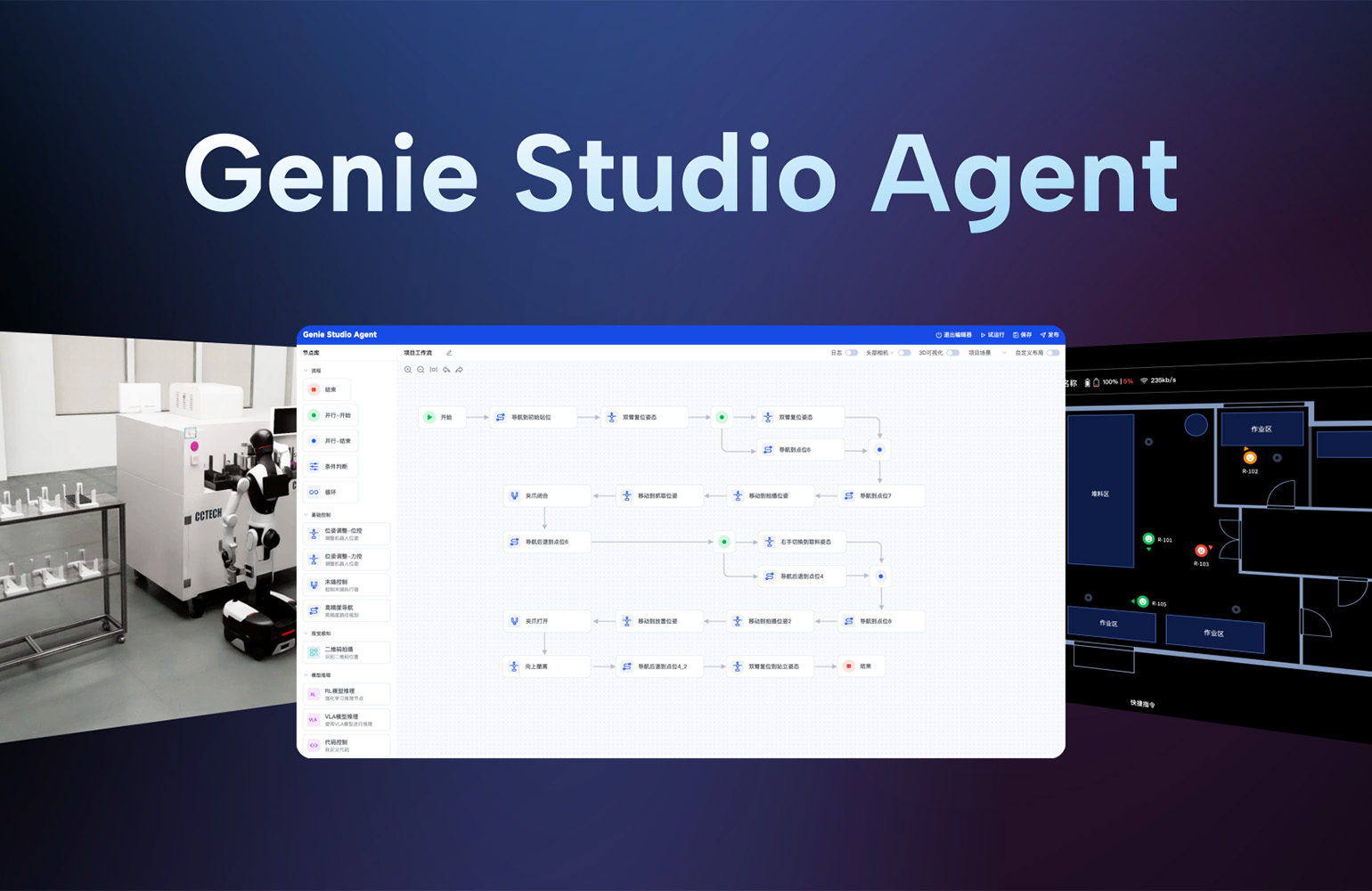
AGIBOT has launched Genie Studio Agent, a zero-code application platform that the company says is built to support the full software lifecycle for robots, from development to deployment. Even in a robotics market full of interest in autonomy and embodied AI, one of the hardest practical problems remains getting systems into real use without requiring a large engineering team for every new workflow. That is the gap zero-code tools aim to close.
The launch is significant because it frames robotics software less as a bespoke engineering exercise and more as an operational platform problem. Building the robot is only part of the challenge. Teams also need ways to configure behaviors, manage updates, connect applications to business processes, and move from pilot programs into production settings. A platform that claims to cover that entire path is making a broader play than a simple development tool.
Why zero-code matters in robotics
The promise of zero-code systems is familiar in enterprise software, but robotics adds a tougher layer of complexity. Physical machines operate in changing environments, interact with hardware constraints, and often need reliability that exceeds what is acceptable in many purely digital workflows. If AGIBOT can reduce the amount of custom coding needed to build and maintain robot applications, it could lower one of the main barriers that slows adoption outside research labs and specialized engineering teams.
That is also why the wording around “full lifecycle software infrastructure” matters. The value of a robotics platform is rarely measured only at the moment of initial development. It depends on what happens after deployment: whether operators can adapt workflows, whether updates remain manageable, and whether the system can scale across more sites or more tasks without becoming a support burden. AGIBOT is positioning Genie Studio Agent as infrastructure for that longer process.
The larger market shift
The release fits a wider industry trend in which robotics vendors are trying to make their products easier to implement in commercial settings. Businesses want automation, but many do not want to build custom robotics software stacks from scratch. They want systems that can be configured, monitored, and extended with less specialized labor. That creates demand for platforms that abstract complexity away from the end user.
There is also a strategic dimension here. Companies that control the application layer can become more central to the robotics ecosystem than firms that sell hardware alone. A well-adopted software platform can influence how partners build solutions, how customers onboard new machines, and how quickly deployments can move from trial to fleet scale. In that sense, Genie Studio Agent is not just a product release. It is an attempt to shape the software layer around robot adoption.
Whether AGIBOT succeeds will depend on execution, but the direction is clear. Robotics is moving toward tools that promise faster deployment, lower technical friction, and broader usability. A zero-code platform designed for development-to-deployment workflows speaks directly to that need and reflects how the market is evolving from demonstration toward operational infrastructure.
This article is based on reporting by The Robot Report. Read the original article.
Originally published on therobotreport.com