NASA تحوّل مهمة إنقاذ فاشلة إلى مهمة اختبار
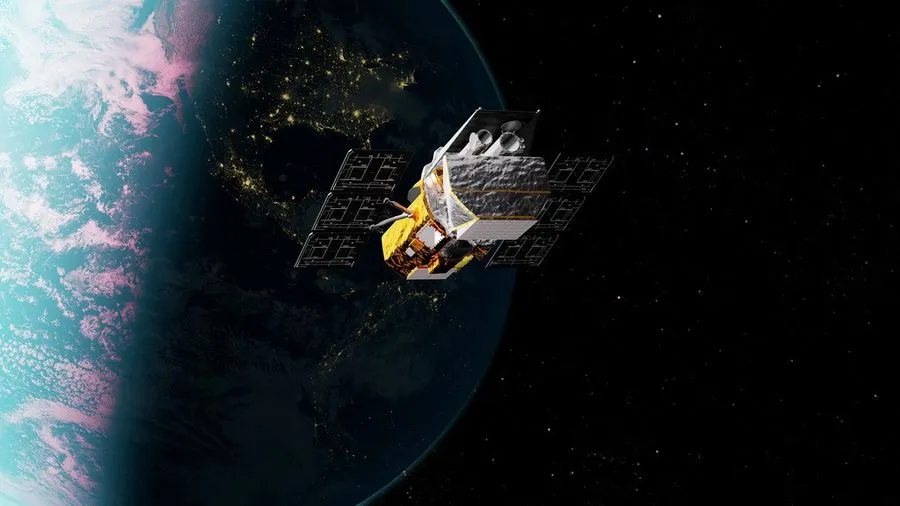
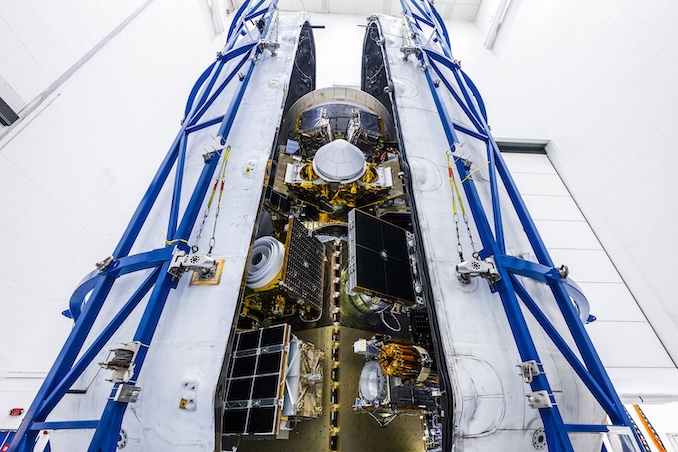
تمضي NASA وKatalyst Space قدماً بهدفٍ مخفّض للمهمة التي كان المقصود منها في الأصل إنقاذ مرصد Neil Gehrels Swift Observatory، بعد أن جعلت مشكلة في التحكم بالاتجاه المركبة الخدمية غير قادرة على إكمال مهمتها الأساسية. وبدلاً من التقاط Swift ورفع مداره، ستجرب مركبة LINK الآن عرضاً للالتقاء والعمليات القريبة، محوّلةً فشلاً جزئياً في المهمة إلى اختبار مباشر لتقنيات قد لا تزال تؤثر في جهود خدمة الأقمار الصناعية مستقبلاً.
يمثل هذا القرار تحوّلاً لافتاً لمهمة جرى إعدادها تحت ضغط زمني غير معتاد. فقد أُطلق Swift في عام 2004 لدراسة انفجارات أشعة غاما وغيرها من الأحداث الكونية العابرة، وقد تجاوز بالفعل بكثير مهمته الأصلية التي كانت مدتها عامين. لكن مداره ظل يتدهور لسنوات، وتسارع هذا التدهور خلال العام الماضي مع زيادة النشاط الشمسي من مقاومة الغلاف الجوي. واستجابت NASA بدعم جهد إنقاذ تجاري صُمم لإطالة العمر العلمي للمرصد وفي الوقت نفسه تطوير القدرات المحلية في الخدمة المدارية.
لكن هذا الإنقاذ لن يتم كما كان مخططاً. فبعد أسابيع قليلة من إطلاق LINK في 3 يوليو 2026، واجهت المركبة مشكلة في التحكم بالاتجاه وبدأت بالدوران غير المستقر، وفقاً للتقرير المرفق. ثم خلصت NASA وKatalyst Space إلى أنها لن تتمكن من التقاط Swift أو رفع ارتفاع القمر الصناعي. وهكذا ضاع الهدف الأساسي للمهمة عملياً. وما تبقى هو فرصة لجمع بيانات تشغيلية في المدار واختبار القدرة على الاقتراب من مركبة فضائية أخرى في ظروف متدهورة.
لماذا كان Swift يستحق المحاولة لإنقاذه
Swift ليس مجرد قمر صناعي علمي آخر يتقدم في العمر. فقد أمضى المرصد أكثر من عقدين في دراسة بعض أكثر الأحداث العابرة طاقة في الكون، ولا سيما انفجارات أشعة غاما. وقد جعلته مدة خدمته الطويلة بالفعل حالة استثنائية علمياً، متجاوزاً بكثير الأفق التصميمي الأصلي. كما أن هذا العمر الطويل جعله هدفاً مقنعاً لمهمة خدمة على نمط الطوارئ: فإذا تمكن المشغلون من رفع مداره، أمكنهم الحفاظ على مرصد منتج والتحقق من نموذج لإبقاء أقمار صناعية أخرى مفيدة بعد انتهاء عمرها الاسمي.
يعرض النص الأصلي جهد الإنقاذ بوصفه مهمة علمية وتجربة لقدرات صناعية في آن واحد. ففي سبتمبر، منحت NASA شركة Katalyst Space عقداً لمهمة خدمة روبوتية ضمن جدول زمني مضغوط، مدفوعاً بالنشاط الشمسي وبالإلحاح الذي سببه هبوط مدار Swift. وكان المشروع يهدف أيضاً إلى دعم سلسلة خدمات الأقمار الصناعية في الولايات المتحدة. وهذه الغاية المزدوجة مهمة. فحتى مع الفشل في إنجاز المهمة الأصلية، قد تظل المهمة تولّد دروساً تشغيلية حول تطوير المركبات الفضائية بسرعة، وهياكل الشراكة التجارية، والعمليات القريبة حول أصل مداري قائم.
وبهذا المعنى، تحولت LINK من مركبة إنقاذ إلى رائدة طريق تحت الضغط. والنتيجة التقنية أسوأ مما كانت NASA تأمل، لكن قيمة التعلم قد تظل كبيرة إذا استطاعت المركبة الاقتراب من Swift بما يكفي للتحقق من الإجراءات والملاحة واتخاذ القرار أثناء التحليق.
رسالة NASA: كان المخاطرة لا تزال مبررة
تتضمن المقالة المرفقة تصريحاً من مدير NASA، Jared Isaacman، يؤكد أن الوكالة رأت أن مجرد المحاولة كان مبرراً رغم أن النتيجة جاءت دون المستوى المطلوب. والحجة الأساسية هي أن NASA تحتاج إلى التحرك بسرعة وقبول المخاطر الذكية عندما يكون العائد المحتمل كبيراً. وفي هذه الحالة، شمل ذلك كلّاً من تمديد مهمة Swift وبناء خبرة في مجال يُتوقع أن تحتاجه الولايات المتحدة بشكل متكرر أكثر في السنوات المقبلة.
هذا الإطار مهم لأنه يشير إلى أن NASA تحاول تطبيع نهج أكثر تجريبية في خدمة المركبات في الفضاء. تاريخياً، أُطلقت كثير من المهمات العلمية من دون توقع كبير لتدخل آلي بعد الوصول إلى المدار. لكن الاقتصاد والمنطق الاستراتيجي قد يكونان في طور التغير. فالأقمار الصناعية باهظة الكلفة في البناء، والعديد منها يخرج من الخدمة بسبب قيود في المدار أو الوقود أو العتاد يمكن ربما تخفيفها يوماً ما بواسطة مركبات الخدمة. وإذا أرادت الوكالات والمشغلون التجاريون أن تصبح هذه الخيارات اعتيادية، فسيحتاجون إلى مهمات تتحمل مخاطر تشغيلية حقيقية وتنتج بيانات مفيدة عندما يحدث خطأ.
وتبدو مهمة LINK الآن واحدة من تلك الحالات. لم تعد قصة نجاح أو فشل بسيطة. إنها مهمة فشلت في هدفها الأول، لكنها قد لا تزال تفيد في تصميم الجهود اللاحقة. وتوضح المواقف العامة لـ NASA أن الوكالة تريد توثيق هذه الدروس بدلاً من شطب المشروع بوصفه طريقاً مسدوداً.
ما الذي لا يزال بإمكان المهمة المخفضة أن تثبته
تُعد عمليات الالتقاء والاقتراب من القدرات المهمة بحد ذاتها. فالاقتراب بأمان من مركبة فضائية أخرى يتطلب توجيهاً وملاحة وتحكماً بالغ الدقة، لا سيما عند العمل حول قمر صناعي قائم لم يُبنَ ليُخدم وفق الظروف الحالية. وحتى من دون الالتقاط أو رفع المدار، يمكن لاقتراب ناجح أن يوفر دليلاً عملياً على أداء المستشعرات والتخطيط التشغيلي وأساليب التحكم الذاتي أو شبه الذاتي.
وتهم هذه القدرات لأكثر من مجرد المهمات العلمية. فقد تشمل الاستخدامات المستقبلية خدمات إطالة العمر، وعمليات التفتيش، ودعم إدارة الحطام الفضائي، والاستخدامات الأمنية الوطنية. ولا يدعي المصدر المرفق أن LINK سيبرهن على كل ذلك، لكنه يوضح أن NASA وKatalyst تعتبران بيانات محاولة الالتقاء ذات صلة بمهمات خدمة الأقمار الصناعية اللاحقة.
ويجادل تصريح Katalyst نفسه، كما لخصه النص المصدر، بأن المهمة بعيدة عن الانتهاء لأنها لا تزال تجمع بيانات مدارية ستكون أساسية للجهود المستقبلية. وهذا ادعاء أضيق من القول إن المشروع لا يزال يسير على المسار الصحيح، لكنه يظل مهماً. فكثيراً ما تولد المهمات الفضائية المعقدة قيمة حتى عندما تفوت هدفها العنواني، ولا سيما عندما تكشف أنماط الفشل في بيئات تشغيل حقيقية لا في المحاكاة.
انتكاسة ذات قيمة استراتيجية
تذكّرنا انتكاسة إنقاذ Swift بأن الخدمة التجارية في المدار ما تزال صعبة تقنياً، خاصة عندما تُطوَّر المهمات بسرعة أمام جدول مداري يتدهور. لكنها تبرز أيضاً سبب استمرار الوكالات في دفع هذا المجال. فقد جعل العمر الطويل لـ Swift منه هدفاً يستحق الإنقاذ، كما عكست الجدولة المضغوطة للمهمة استعداداً لاختبار ما إذا كان تدخل أصغر وأسرع تقوده جهة تجارية يمكنه الحفاظ على الأصول العلمية الوطنية.
لن يمنح هذا الاختبار التمديد المداري الذي كان مأمولاً لـ Swift. لكن إذا تمكنت LINK من إكمال عرض التقاء ذي معنى، فقد تخرج NASA بشيء يكاد يكون بنفس الأهمية على المدى الطويل: أدلة أفضل حول كيفية هيكلة محاولات الخدمة المستقبلية وتشغيلها وتقليل مخاطرها. وبالنسبة إلى صناعة تحاول تحويل الصيانة في الفضاء من طموح لمرة واحدة إلى قدرة قابلة للتكرار، فإن النجاحات الجزئية قد تكون تأسيسية.
والنتيجة هي مهمة تقف الآن بوصفها تحذيراً وسابقة في آن واحد. فهي تُظهر كيف يمكن لأفكار الإنقاذ السريعة أن تسبقها مشكلات المركبة نفسها. كما تُظهر أن NASA مستعدة للتعامل مع النتائج غير الكاملة بوصفها جزءاً من بناء القدرات، لا سبباً تلقائياً للتراجع. وفي قطاع يعتمد كثير من اختراقاته المقبلة على القيام بأشياء صعبة في المدار للمرة الأولى، قد يكون ذلك هو الدرس الأكثر ديمومة.
هذه المقالة مبنية على تقرير من Universe Today. اقرأ المقال الأصلي.
Originally published on universetoday.com