علامة فارقة في الكوكبة
في 17 مارس 2026، تجاوزت SpaceX عتبة كان يبدو من المستحيل الوصول إليها قبل عقد من الزمن: 10,000 قمر صناعي نشط في مدار منخفض حول الأرض، وكلها جزء من كوكبة Starlink للاتصالات التي أصبحت أهم منتج تجاري للشركة وعمود فقري لخدمة تغطي مئات الملايين من العملاء المحتملين على مستوى العالم.
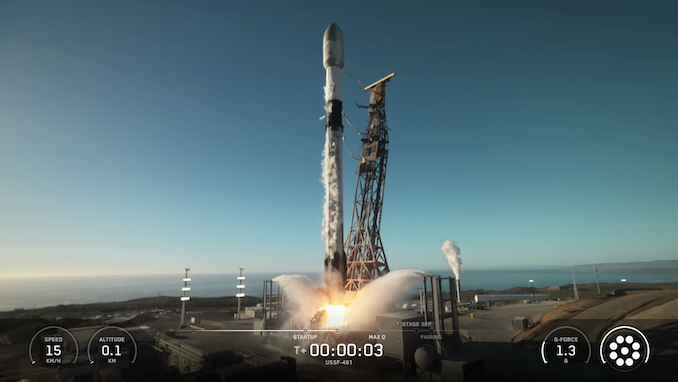
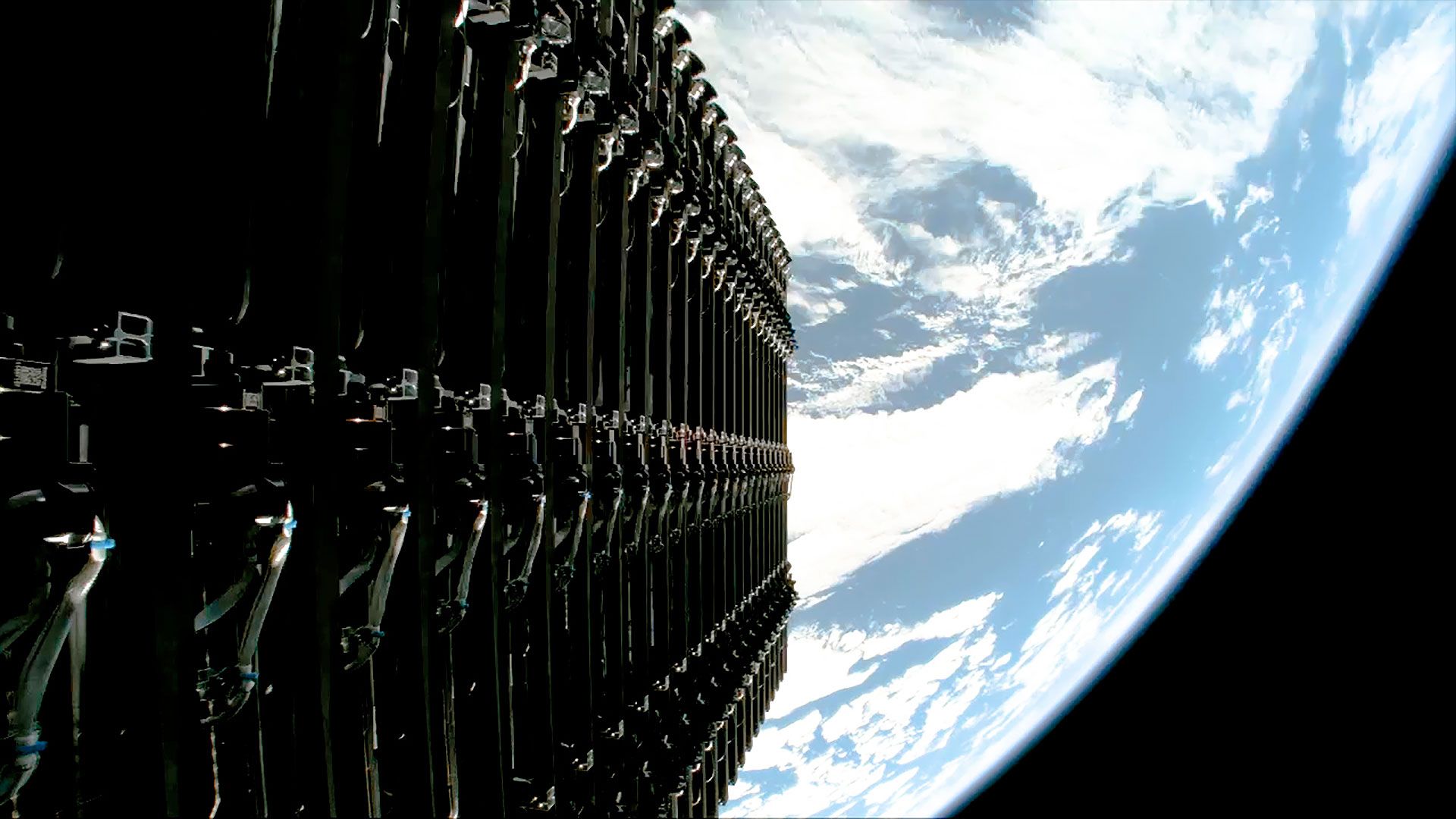
تم الوصول إلى هذه العلامة بعد أن أطلقت SpaceX صاروختي Falcon 9 في نفس اليوم - وهذا يدل على الإيقاع التشغيلي الذي أصبح روتينياً لشركة تتعامل مع الإطلاقات المدارية بنفس الانتظام الذي تطبقه شركات الطيران التجارية على جداول الرحلات. حملت كل مهمة دفعة أخرى من أقمار Starlink الصناعية إلى الغلاف المداري بارتفاع حوالي 550 كيلومتر الذي يشكل جوهر الكوكبة.
نطاق الكوكبة
عشرة آلاف قمر صناعي نشط هو رقم يصعب فهم معناه دون مرجعية تاريخية. كانت صناعة الأقمار الصناعية بأكملها، عبر جميع المشغلين وجميع الدول، قد وضعت أقل من 10,000 جسم في المدار عبر كامل تاريخ عصر الفضاء حتى حوالي عام 2019. الآن SpaceX وحدها قد نشرت وتعمل على تشغيل هذا العدد - وهو تركيز للبنية التحتية المدارية بدون سابقة.
الكوكبة ككل - بما في ذلك الأقمار الصناعية غير المُشغلة بعد، والأقمار المُؤجلة انتظار الإزالة من المدار، والأصداف على ارتفاعات مختلفة - أكبر بكثير من رقم 10,000 النشط. لديها SpaceX ترخيص من FCC لما يصل إلى 12,000 قمر صناعي من جيل أول وقدمت طلباً للحصول على ترخيص نظام الجيل الثاني بما يصل إلى 30,000 قمر صناعي إضافي.

ما يمكن لـ 10,000 قمر صناعي تحقيقه
الأهمية العملية لكثافة الكوكبة هي أنها تحدد مباشرة زمن التأخير والسعة والتغطية لمستخدمي النهاية. تعني الكوكبة الأكثر كثافة أن هناك المزيد من الأقمار الصناعية في الرؤية من أي نقطة على الأرض في أي وقت معين، مما يتيح مسارات إشارة أقصر وإنتاجية أعلى في كل منطقة وموثوقية أفضل أثناء نقل الأقمار الصناعية.
كانت SpaceX قادرة على تقديم جودة خدمة متحسنة بشكل تدريجي مع نمو الكوكبة - انخفض زمن التأخير من أكثر من 40ms في النشرات المبكرة إلى أقل من 30ms بشكل ثابت في الأصداف المأهولة بالسكان، وزادت معدلات البيانات القصوى المتاحة لمستخدمي الطرفية بشكل كبير. تمثل علامة 10,000 قمر صناعي مستوى كثافة حيث تضيف الإضافات الأخرى بشكل أساسي السعة والتكرار بدلاً من توسيع التغطية.
المشهد التنافسي
حققت كوكبة Starlink موقعاً في السوق يجد المنافسون صعوبة في التحدي. Project Kuiper من Amazon يتقدم نحو الخدمة التجارية لكنه يتأخر سنوات في بناء الكوكبة. OneWeb، الآن تحت إدارة Eutelsat، لديها كوكبة أصغر محسنة للعملاء من المؤسسات. تجري الكوكبات LEO برعاية الدولة الصينية تطويراً لكنها لم تصل بعد إلى النطاق التجاري.
الجمع بين كثافة كوكبة Starlink، وقدرات التصنيع والإطلاق المتكاملة رأسياً في SpaceX، واختراق السوق المتوسع يخلق مزايا هيكلية يصعب بشكل متزايد على الداخلين الجدد التغلب عليها. سيحتاج المنافس الذي يسعى لتكرار القدرة الحالية لـ Starlink إلى تمويل وتصنيع وإطلاق آلاف الأقمار الصناعية - وهو تحدٍ رأسمالي وتشغيلي يقاس بعشرات مليارات الدولارات.

مسألة الاستدامة المدارية
يعزز تحقيق 10,000 قمر صناعي نشط أيضاً النقاشات حول استدامة المدارات وإدارة حركة المرور في الفضاء. وثق علماء الفلك تأثير مسارات الأقمار الصناعية على الملاحظات الفلكية ذات التعريض الطويل، وتصبح مخاطر الحطام المتسلسل من الاصطدامات في الأصداف المدارية المأهولة بالسكان ذات أهمية إحصائية أكبر مع نمو أحجام الكوكبات. التزمت SpaceX بإزالة الأقمار الصناعية من المدار خلال خمس سنوات من نهاية الحياة، لكن السؤال الأوسع حول كيفية تنظيم الأطر التنظيمية الدولية لتطور الكوكبات الضخمة لا يزال دون حل.
هذا المقال مبني على التقارير من Space.com. اقرأ المقال الأصلي.
Originally published on space.com