Introduction
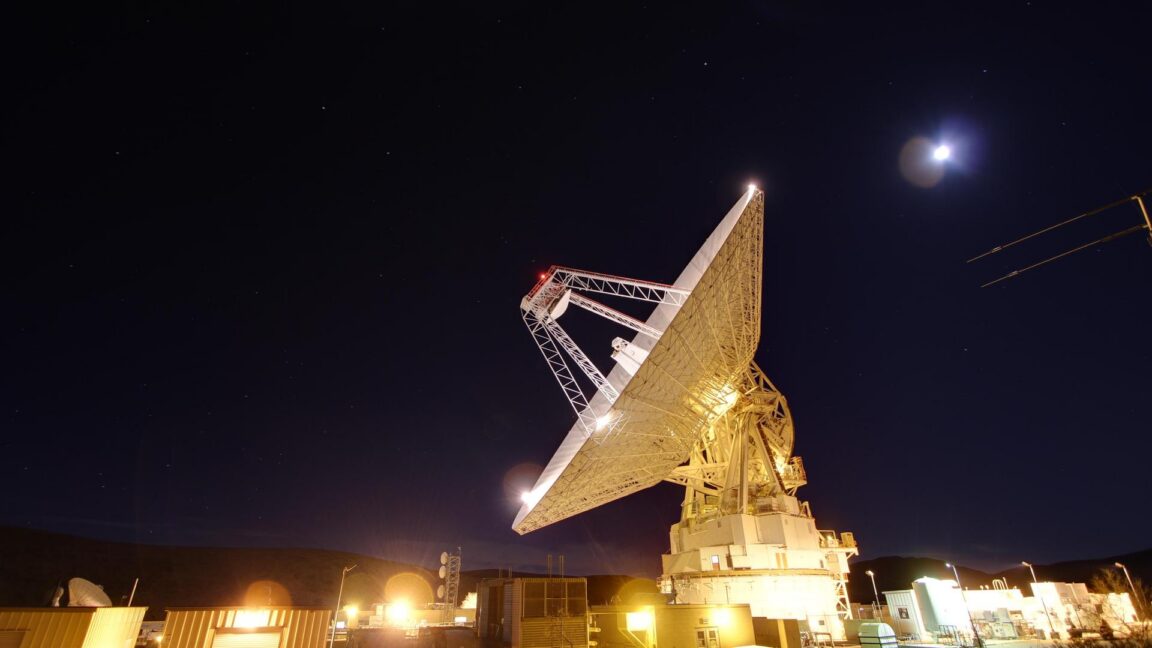
NASA's Deep Space Network (DSN), the global array of antennas that communicates with spacecraft across the solar system, faced a critical test during the Artemis II mission. After nearly breaking under the strain of the uncrewed Artemis I mission in 2022, the network was called upon again to support the first crewed flight of the Orion spacecraft around the Moon. This time, the DSN performed admirably, thanks to lessons learned and new processes implemented by NASA.
Artemis I: A Wake-Up Call
During the Artemis I mission in late 2022, the DSN was overwhelmed by the simultaneous demands of 40 robotic science missions and the data-intensive Orion capsule. The network's capacity was insufficient, leading to reduced or delayed downlinks from high-profile missions such as the James Webb Space Telescope and Mars rovers. The situation was exacerbated by the failure of a critical subsystem called the Private Cloud Appliance (PCA), which hindered scheduling and coordination. The experience highlighted the fragility of the DSN and the need for improvements before crewed missions.
Artemis II: A Shorter, More Managed Mission
Artemis II launched on April 1, 2026, carrying four astronauts on a nine-day journey around the Moon. The mission's shorter duration—compared to Artemis I's 25 days—helped alleviate communications overload. Additionally, Artemis II carried fewer CubeSats than its predecessor, reducing the demand on the DSN. However, the crewed nature of the mission meant that NASA's appetite for data was even higher, requiring careful prioritization.
New Processes and Coordination
Greg Heckler, deputy program manager for capability development in NASA's Space Communications and Navigation Program, noted that the agency implemented new processes ahead of Artemis II. These focused on coordination and scheduling with all missions, not just Orion. The changes included better communication between the DSN's managers and the science division, which operates most of the missions using the network. Heckler stated, "We learned a lot on Artemis I, and we actually put some new processes in place ahead of Artemis II, mostly focused around coordination and our scheduling processes with all the missions, not just the Orion vehicle itself. I think that worked well."
Positive Feedback and Remaining Challenges
After Artemis II, NASA's science division provided "positive feedback" to the DSN's managers. The network successfully supported the mission without the major disruptions seen during Artemis I. However, Heckler acknowledged that limitations and high demand continue to create "asset contention" among missions. The DSN remains a shared resource, and balancing the needs of science missions with human spaceflight is an ongoing challenge.
Lessons Learned and Future Outlook
The Artemis I experience prompted NASA to allocate additional resources from the Moon to Mars program to upgrade the DSN. The failure of the PCA subsystem during Artemis I led to increased investment in infrastructure and scheduling tools. These improvements contributed to the smoother performance during Artemis II. As NASA prepares for future Artemis missions, including lunar landings and eventually Mars exploration, the DSN will need continued upgrades to meet growing demands.
Conclusion
The success of the Deep Space Network during Artemis II demonstrates the value of learning from past failures. By implementing new processes and securing additional resources, NASA ensured that the network could support the first crewed Artemis mission without compromising other critical science missions. While challenges remain, the DSN's performance on Artemis II provides a solid foundation for the future of deep space exploration.
This article is based on reporting by Ars Technica. Read the original article.
Originally published on arstechnica.com