وكالة الفضاء الأوروبية تدعم مهمة لدراسة الأطراف الخافتة للمجرات
اعتمدت وكالة الفضاء الأوروبية رسميًا مهمة تُدعى Arrakihs، وتهدف إلى قراءة تاريخ الاندماجات المكتوب في الهالات الخافتة المحيطة بمجرات مثل درب التبانة. وبحسب النص المصدر المرفق، ستفحص المهمة التيارات النجمية الخافتة التي تتركها المجرات الكبيرة خلفها عندما تمزق رفيقات أصغر وتبتلعها بفعل الجاذبية على مدى مليارات السنين.
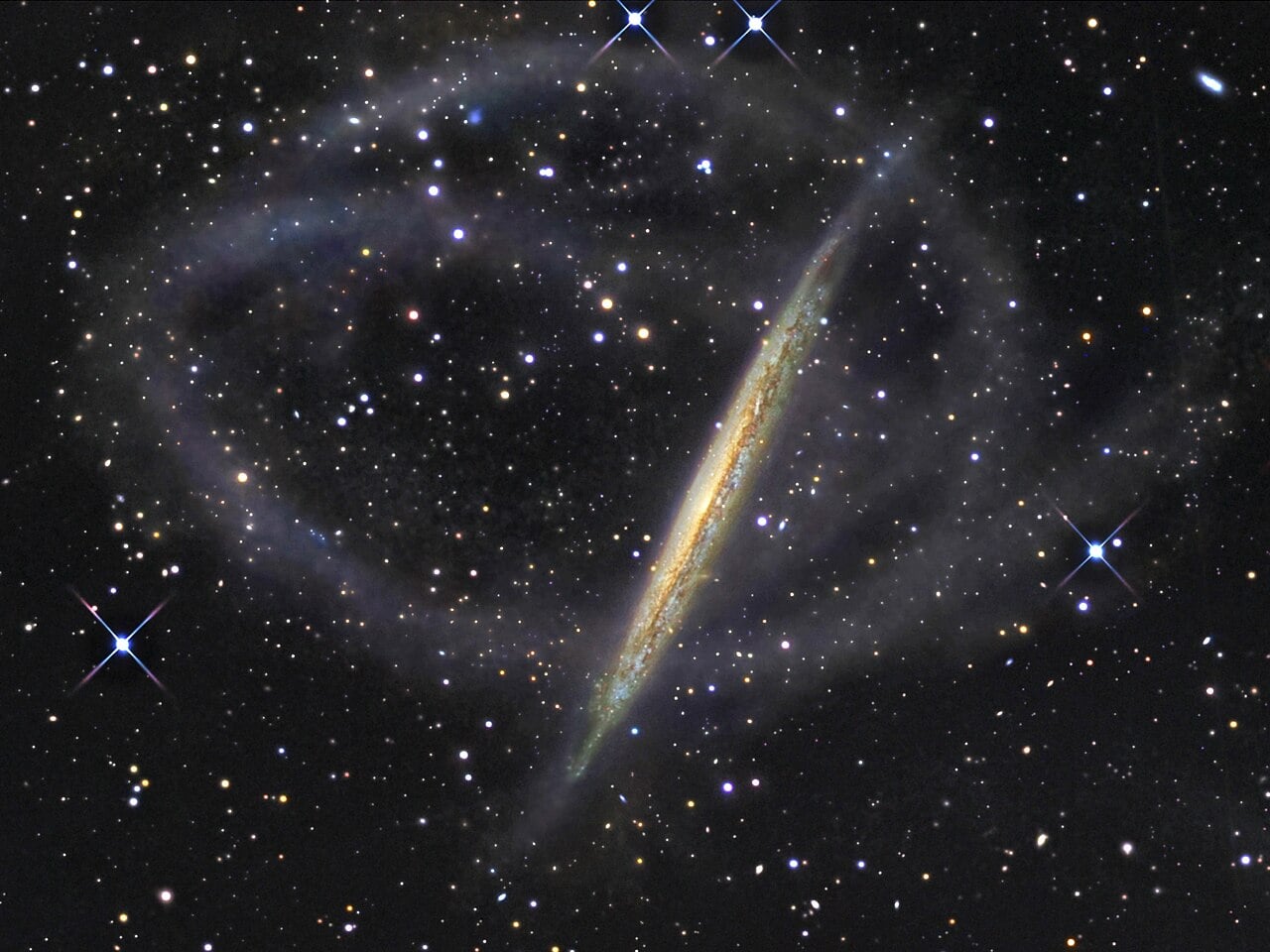
وبذلك تصبح Arrakihs مهمة عن الذاكرة المجرية. وغالبًا ما تُصوَّر المجرات الحلزونية عبر أقراصها اللامعة وأذرعها المضيئة وانتفاخاتها المركزية. لكن جزءًا كبيرًا من تاريخها يكمن في منطقة أخفت بكثير خارج ذلك القلب المرئي، حيث يمكن لبقايا التفاعلات الماضية أن تبقى معلقة على هيئة تراكيب رقيقة داخل الهالة.
وتكتسب هذه التراكيب أهميتها لأن علماء الفلك يعتقدون أن المجرات الكبيرة تنمو جزئيًا عبر التهام مجرات أصغر. وإذا أمكن رسم خريطة لأدلة تلك الاندماجات عبر أنظمة عديدة، فسيتمكن الباحثون من إعادة بناء كيفية تجمّع مجرة نموذجية بحجم درب التبانة عبر الزمن الكوني.
ما صُممت Arrakihs للقيام به
يقول النص المصدر إن Arrakihs اختصار لعبارة Analysis of Resolved Remnants of Accreted galaxies as a Key Instrument for Halo Surveys. وهدفها العلمي مباشر: رصد ودراسة التيارات النجمية شديدة الخفوت في هالات المجرات التي يصعب على معظم التلسكوبات ملاحظتها بأعداد ذات معنى.
هذه التيارات هي البقايا المتناثرة لمجرات قزمة تمزقت بفعل الجاذبية. وهي، عمليًا، السجل الأثري لتكوّن المجرات. ومن خلال تتبعها، يمكن لعلماء الفلك استنتاج توقيت الاندماجات السابقة وحجمها وتكرارها، ومقارنة التاريخ الفعلي للمجرات بالنماذج النظرية.
ويتعلق التحدي بالسطوع، أو بالأحرى بغيابه. فهالات المجرات تقع أدنى بكثير من سطوع معظم السمات الأخرى في السماء، ما جعل دراستها بصورة منهجية أمرًا صعبًا. وقد صُممت Arrakihs خصيصًا لحل هذه المشكلة بدلًا من التعامل معها كقدرة ثانوية.
الأجهزة تعكس العلم
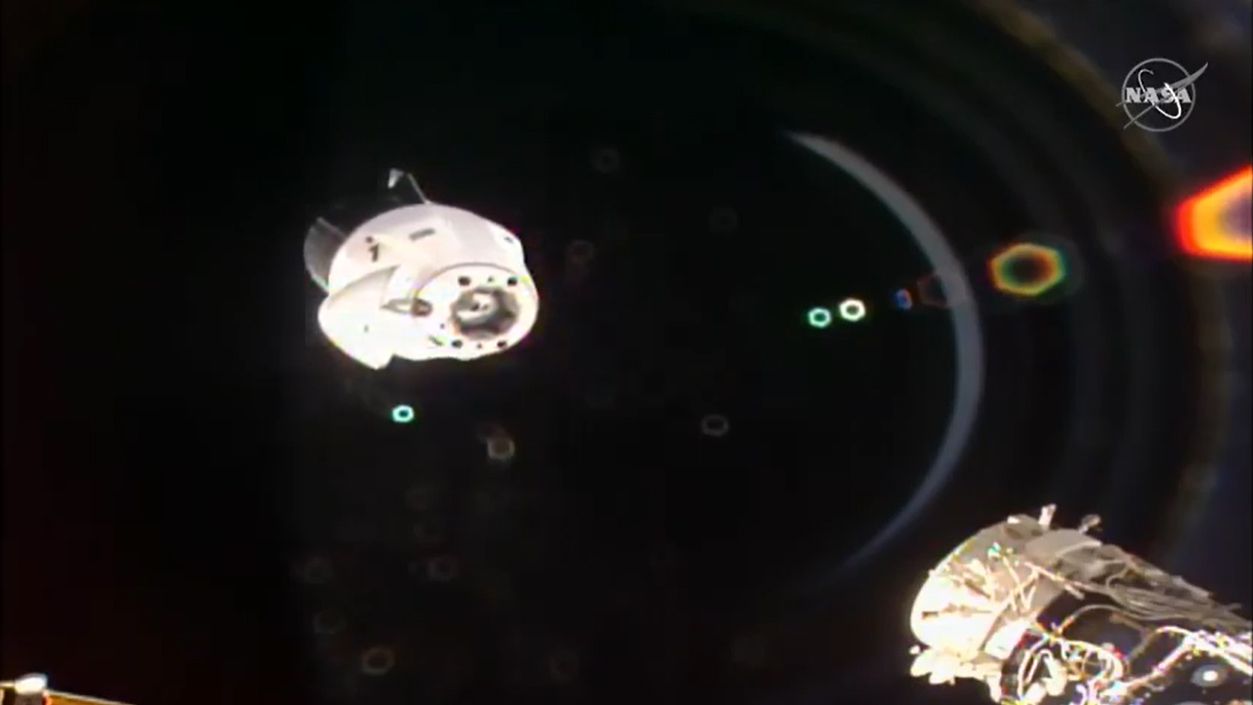
وبحسب المادة المصدر المرفقة، ستحمل المركبة أربعة كاميرات مرتبة على شكل زوجين من التلسكوبات الثنائية. وسيرصدان معًا أطوالًا موجية تمتد من فوق البنفسجي القريب عبر الضوء المرئي وصولًا إلى الأشعة تحت الحمراء القريبة.
هذا الترتيب ليس مجرد تفصيل تقني. فالأطوال الموجية المختلفة تساعد علماء الفلك على استخراج معلومات مختلفة عن التجمعات النجمية والبنى وتركيب أطراف المجرات الخافتة. ويمكن لمهمة مضبوطة لهذه النطاقات أن تفصل ضوء الهالة الخافت عن المصادر الأخرى بصورة أفضل من نظام عام غير مصمم لمثل هذه الأهداف الدقيقة.
ويذكر النص المصدر أيضًا أن Arrakihs ستدرس ما لا يقل عن 80 مجرة بحجم درب التبانة. ويُعد حجم العينة هذا مهمًا. فقد تكون المجرات الفردية مثيرة للاهتمام، لكن استخلاص استنتاجات عامة حول تشكل المجرات يتطلب عددًا كافيًا من الأمثلة للتمييز بين الأنماط المعتادة والحالات الشاذة.
لماذا يهم الاعتماد الرسمي
تمر المهمات الفضائية بمراحل عديدة من تطوير الفكرة قبل اعتمادها. ويعني الاعتماد الرسمي أن Arrakihs قد تجاوزت عتبة مؤسسية وأصبحت أكثر من مجرد مقترح علمي جذاب. إنها الآن جزء من مسار المهمات المخطط له لدى وكالة الفضاء الأوروبية، مع طريق أوضح نحو التنفيذ.
ويكتسب ذلك أهمية لأن دراسة الهالات ظلت لوقت طويل مقيدة بالأدوات المتاحة. فالأساس العلمي قوي، لكن الأهداف صعبة للغاية. ويمكن لمهمة مصممة من الصفر للرصد منخفض السطوع السطحي أن تحول مجالًا بحثيًا كان هامشيًا أو متشظيًا إلى مجال أكثر منهجية.
كما أنه يشير إلى الثقة في أهمية علم الكونيات القريب: أي التعلم عن الكون لا من خلال النظر إلى مسافات هائلة فحسب، بل من خلال دراسة المجرات القريبة بتفصيل كافٍ لاستعادة تاريخها. ففي بعض الحالات، يمكن لأطراف الأنظمة الهادئة المألوفة أن تجيب عن أسئلة لا تستطيع الأجسام الأشد سطوعًا والأكثر درامية الإجابة عنها.

قراءة الكون عبر الضوء الخافت
يعرض النص المصدر الهالات النجمية كمستودعات للمادة المظلمة والغاز الساخن وبقايا المجرات المضطربة. وتركز Arrakihs على آخر هذه العناصر في شكل مرئي: الشرائط والحلقات الخافتة من النجوم التي تسجل الاندماجات السابقة.
وهذا يجعل مفهوم المهمة أنيقًا من الناحية الفكرية. فبدلًا من مراقبة تشكل المجرات في الوقت الحقيقي، سيقرأ علماء الفلك الآثار التي خلفتها أحداث وقعت بالفعل. وتصبح كل هالة سجلًا للاصطدامات الجاذبية، ويصبح كل تيار نجمي دليلًا على كيفية كتابة هذا السجل.
إذا نجحت Arrakihs، فمن المفترض أن تساعد في الإجابة عن سؤال أساسي في علم الفلك: كيف تصبح المجرات مثل مجرتنا على ما هي عليه؟ لن تفعل ذلك بمطاردة أكثر ضوء سطوعًا في السماء، بل باكتشاف بعض من أخفت وأكثر البنى سهولة في التجاهل في الكون المحلي والتعامل معها بوصفها أدلة. وهكذا يتقدم علم الفلك غالبًا: لا بالنظر أبعد أولًا، بل بتعلم الرؤية إلى أضواء أخفت.
- اعتمدت وكالة الفضاء الأوروبية رسميًا مهمة Arrakihs.
- ستدرس المركبة تيارات نجمية خافتة في هالات مجرات شبيهة بدرب التبانة.
- تحفظ تلك التيارات أدلة على الاندماجات السابقة مع مجرات أصغر.
- صُممت Arrakihs لرصد ما لا يقل عن 80 مجرة باستخدام أنظمة تلسكوب وكاميرا مزدوجة عبر عدة أطوال موجية.
هذه المقالة تستند إلى تقرير من Universe Today. اقرأ المقال الأصلي.
Originally published on universetoday.com