عالم ثقيل عند حافة التعريفات الكوكبية
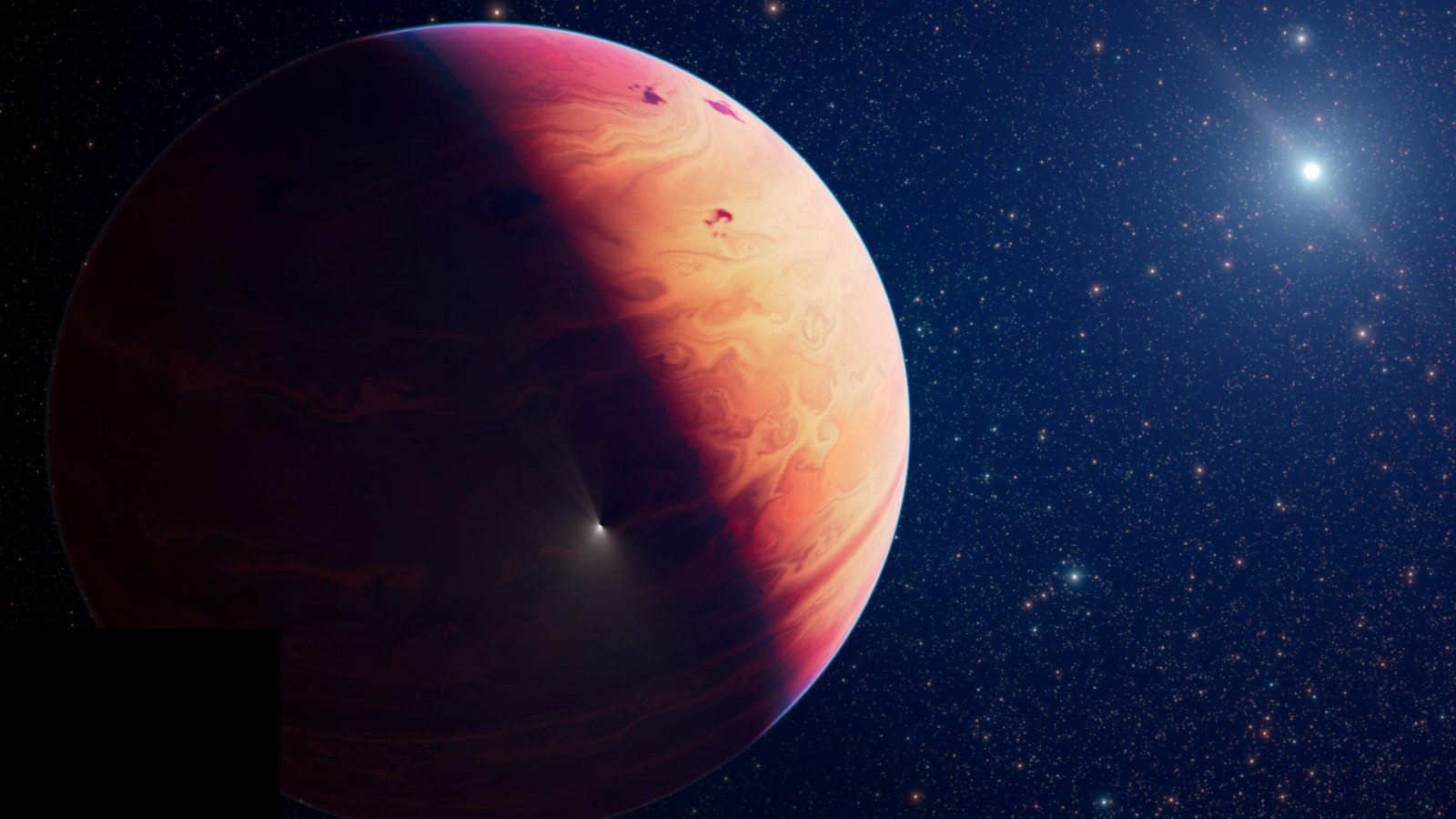
وجّه الفلكيون الذين يستخدمون تلسكوب جيمس ويب الفضائي اهتمامهم إلى 29 Cygni b، وهو عملاق غازي شديد الضخامة قد يساعد في توضيح كيفية نشوء أكبر الكواكب. يقع هذا الجسم على بُعد نحو 133 سنة ضوئية من الأرض، وتبلغ كتلته حوالي 15 ضعف كتلة المشتري، ما يضعه قريبًا من الحد الضبابي حيث تبدأ الكواكب العملاقة في التشابه مع النجوم الفاشلة.
وتكتسب هذه الحدود أهمية لأن علم الكواكب لا يزال يفتقر إلى تفسير محسوم لتكوّن أكثر العمالقة الغازية تطرفًا. فعادةً ما يُعتقد أن العوالم الأصغر تنشأ عبر عملية تصاعدية، تلتصق فيها جزيئات الصخور والجليد تدريجيًا لتبني أجسامًا أكبر مع مرور الوقت. لكن هذا النموذج يصبح أصعب في التطبيق على عوالم بكتلة 29 Cygni b. وعندما يقترب كوكب من النطاق الأعلى لما يُعد عادةً كتلة كوكبية، يتعين على الفلكيين أن يتساءلوا عمّا إذا كان قد تشكّل أصلًا مثل الكواكب.
ولا يضيف التحليل الجديد المعتمد على ويب مجرد كوكب خارجي آخر إلى السجل. بل يتجه مباشرة إلى أحد الأسئلة الأكثر أثرًا في هذا المجال: هل العمالقة الغازية الأكبر هي نتاج بناء الكواكب بالطريقة المعتادة، أم أن بعضها يتشكل بطريقة أقرب إلى النجوم عبر الانهيار المباشر؟
التشكّل من الأسفل إلى الأعلى مقابل التشكّل من الأعلى إلى الأسفل
يصوغ النص الأصلي المشكلة بوصفها منافسة بين مسارين واسعين للتكوّن. ففي الصورة التقليدية الصاعدة، تتجمع الكتل الصلبة الصغيرة لتشكّل نوى أكبر، ثم تكتسب في النهاية أغلفة غازية كثيفة. ويُستخدم هذا المسار على نطاق واسع لتفسير كثير من الكواكب، ولا سيما في الأنظمة التي يتوفر فيها الصلب والغاز لمدة كافية لتتكوّن البنية على مراحل.
لكن بالنسبة إلى عالم مثل 29 Cygni b، قد يكون هذا المسار مرهقًا. فبكتلة تقارب 15 كتلة مشتري، يقع الكوكب في نطاق تجعل فيه الضخامة الهائلة نماذج النمو التدريجي أكثر صعوبة. ولهذا السبب غالبًا ما ينظر الفلكيون إلى بديل هابط لتلك الأجسام: الانهيار المباشر لمادة كثيفة في بيئة كوكبية أولية. وفي هذا السيناريو، يتشكل جسم ضخم بشكل أكثر فجائية، على نحو أقرب إلى جسم نجمي ينشأ من انهيار جاذبي منه إلى كوكب كلاسيكي يراكم طبقاته طبقة بعد طبقة.
وتكمن القيمة العلمية الحقيقية لـ 29 Cygni b في احتمال أن تحتفظ غلافه الجوي بقرائن حول أي المسارين كان الغالب. وتُعد حساسية ويب مفيدة بشكل خاص لهذا النوع من العمل لأن التركيب الجوي يمكن أن يكشف كيف وأين راكم العالم مادته.

لماذا يعد التركيب الدليل الحاسم
وفقًا للتقرير المرفق، فإن 29 Cygni b غني بالعناصر الثقيلة بمستوى يعادل نحو 150 مرة ما هو عليه في الأرض. وهذا النوع من الإثراء محوري في الجدل حول التكوّن. فإذا حمل عملاق غازي ضخم بصمة واضحة من العناصر الثقيلة، يمكن للفلكيين استخدام هذه المعلومة لاختبار ما إذا كان الجسم قد تَشكّل على الأرجح من لبنات بناء غنية بالمواد الصلبة، أم أنه نشأ عبر عملية انهيار كان من شأنها أن تنتج نمطًا كيميائيًا مختلفًا.
ولا يجيب التركيب عن كل الأسئلة بمفرده، لكنه يضيّق نطاق الروايات الممكنة. ويعتمد علم الكواكب الخارجية على هذا النوع من الاستدلال بصورة متزايدة: استخدام البصمات الجوية لإعادة بناء التاريخ الخفي للتكوّن. ويُعد تلسكوب جيمس ويب الفضائي مناسبًا بشكل خاص لذلك، لأنه يتيح للباحثين دراسة عوالم بعيدة جدًا أو خافتة جدًا أو معقدة جدًا بحيث تعجز المراصد السابقة عن توصيفها بالتفصيل نفسه.
وبهذا المعنى، فإن 29 Cygni b لا يكتسب أهميته بوصفه حالة فضولية فردية فحسب، بل أيضًا كنقطة معايرة. فإذا تمكن الباحثون من فهم كيفية تشكّل عالم عملاق فائق واحد، فإنهم يحسنون الإطار المستخدم لتفسير عوالم أخرى تقع في المنطقة الغامضة بين الكواكب العملاقة والأجسام الشبيهة بالأقزام البنية.
الخط الفاصل بين الكوكب والنجم لا يزال غير محسوم
ويعكس الاهتمام بـ 29 Cygni b أيضًا مشكلة تصنيفية أوسع. فكثيرًا ما يعتمد علم الفلك على فئات مفيدة لكنها غير كاملة، ويصبح وصف “كوكب” أقل ثباتًا مع ازدياد الكتل. فعند نحو 15 كتلة مشتري، يدفع الجسم نفسه إلى نطاق لم يعد فيه التمييز بين الكوكب شديد الضخامة والجسم دون النجمي واضحًا من الكتلة وحدها.
ولهذا يشدد المقال على أن ملاحظات ويب قد تساعد في تحديد الخط الفاصل بين الكواكب والنجوم. والمقصود ليس أن 29 Cygni b يُعاد تصنيفه فجأة بوصفه نجمًا. بل إن خصائصه تدفع الفلكيين إلى التفكير بعناية أكبر في ما يفترض أن تسجله الفئات التصنيفية. هل هي في الأساس تسميات للكتلة؟ أم لتاريخ التكوّن؟ أم للفيزياء الداخلية؟ إن عوالم كهذه تجعل هذه الخيارات مرئية.
ومع استمرار اكتشاف الكواكب الخارجية، ستصبح هذه المشكلة أكثر شيوعًا لا أقل. فالتلسكوبات تعثر الآن على عدد كافٍ من الأجسام المتنوعة بحيث لم تعد الحالات الحدّية استثناءات نادرة. إنها تشكّل التعريفات الأساسية للمجال.

لماذا يواصل ويب تغيير علم الكواكب الخارجية
صُمم تلسكوب جيمس ويب الفضائي لأهداف فلكية واسعة، لكن أحد أقوى تأثيراته كان في توصيف الكواكب الخارجية. فبدلًا من الاكتفاء برصد وجود كوكب، يمكن لويب أن يساعد في إظهار كيف يبدو هذا الكوكب وكيف ربما تشكّل. وتمثل هذه النقلة من عدّ الكواكب إلى فهمها أحد التحولات العلمية الكبرى في العقد الحالي.
وفي حالة 29 Cygni b، يتمثل دور ويب في تحويل خلاف نظري واسع إلى مسألة أكثر قابلية للاختبار. إذ يتيح التلسكوب للفلكيين ربط الأدلة الجوية بنماذج التكوّن بطريقة لم تكن الأجهزة الأقدم غالبًا قادرة عليها. والنتيجة ليست جوابًا نهائيًا عن كيفية تشكّل كل عالم عملاق فائق، لكنها حجة أوضح وأكثر اعتمادًا على الأدلة.
وهكذا غالبًا ما يتقدم العلم في التطبيق العملي. فقلّما يحسم جسم واحد كل غموض كبير في مجال بأكمله. لكن بعض الأجسام، عندما تُرصد بالأداة المناسبة وفي الوقت المناسب، يمكن أن تدفع النظريات إلى مزيد من الدقة. ويبدو أن 29 Cygni b من بين هذه الحالات.
لماذا تهم هذه القصة
- يقع 29 Cygni b قرب الحد الضبابي بين الكواكب العملاقة والأجسام الشبيهة بالنجوم.
- قد يساعد تركيبه الفلكيين على التمييز بين نموذج النمو التدريجي للنوى ونموذج التكوّن عبر الانهيار المباشر.
- يدفع ويب علم الكواكب الخارجية إلى ما هو أبعد من الاكتشاف نحو التفسير الفيزيائي التفصيلي.
تعتمد هذه المقالة على تقرير من Space.com. اقرأ المقال الأصلي.
Originally published on space.com