مرشح لبقايا مستعر أعظم في أحد أكثر أحياء المجرة ازدحامًا
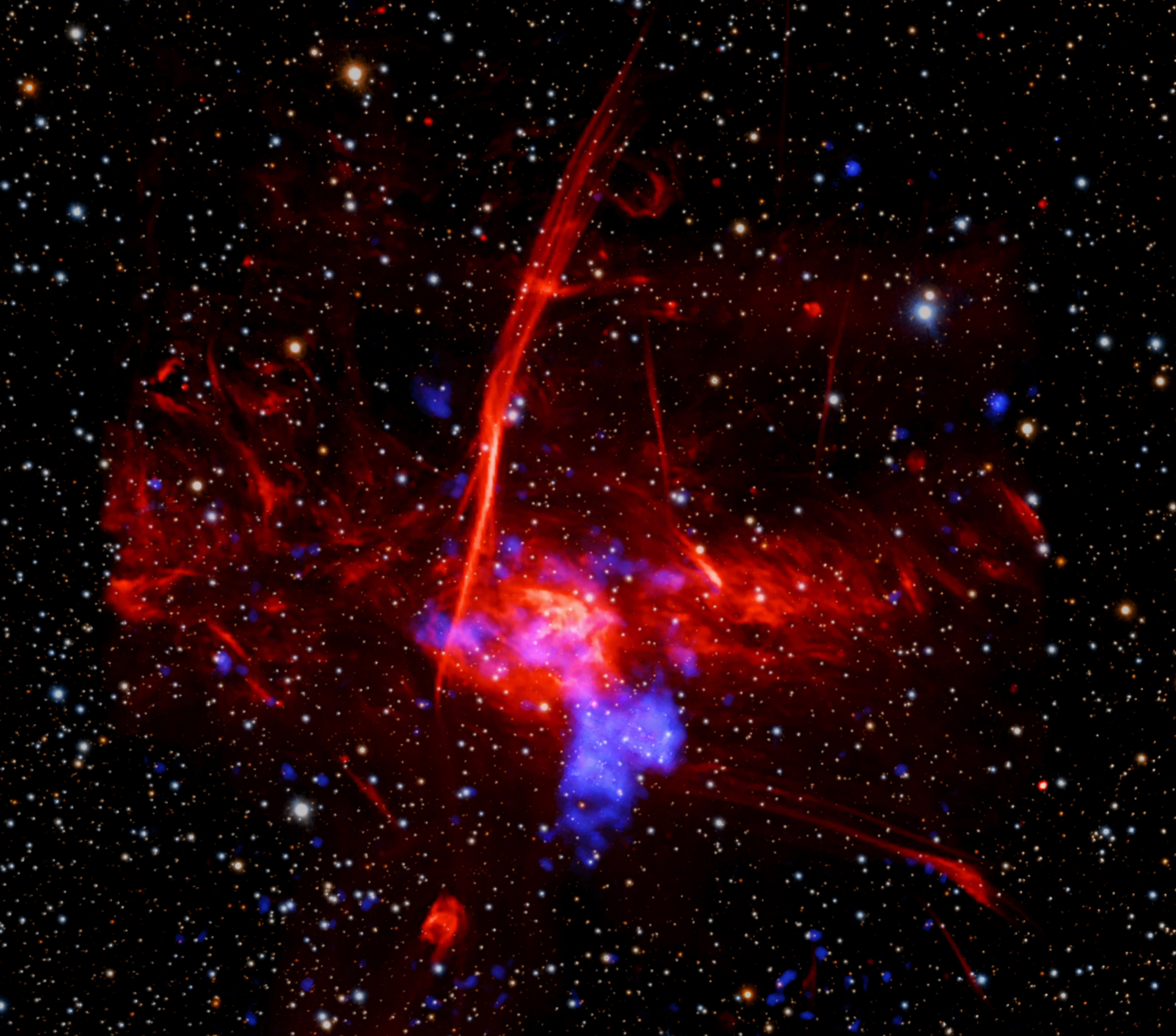
قد يكون الفلكيون الذين يستخدمون مرصد الأشعة السينية Chandra التابع لناسا قد حددوا بقايا مستعر أعظم في منطقة المركز المجرّي، بالقرب من الثقب الأسود فائق الكتلة في درب التبانة. وإذا تأكد ذلك، فسيكون هذا الجسم من بين أقرب بقايا المستعرات العظمى المعروفة إلى ذلك الثقب الأسود، ما يضعه في واحدة من أكثر البيئات اكتظاظًا وتطرفًا فيزيائيًا في المجرة.
يقع المرشح في Sagittarius C، وهي منطقة ساطعة تبعث موجات راديوية بالقرب من نواة المجرة. وهذه ليست منطقة هادئة. فهي تعج بالنجوم الضخمة، والبنى المغناطيسية القوية، وسحب الغاز الكثيفة التي تتحرك بسرعة عبر المنطقة المركزية. إن العثور على بقايا نجم انفجر هناك سيضيف نقطة بيانات مهمة لفهم كيف يتكشف موت النجوم وإثراء العناصر الثقيلة في بيئة تشكلها الجاذبية الشديدة، وتكوّن النجوم، وديناميات الغاز المضطربة.
ما الذي رصدته التلسكوبات
قالت ناسا إن الأدلة تأتي من رصديات الأشعة السينية التي أجراها Chandra ومهمة XMM-Newton التابعة لوكالة الفضاء الأوروبية. وفي تلك البيانات، حدد الفلكيون كتلة من انبعاث الأشعة السينية قد تكون بقايا نجم ضخم دمره مستعر أعظم، ومغروسة داخل سحابة غاز أكبر آخذة في التمدد. ويقع الجسم على بعد نحو 26,000 سنة ضوئية من الأرض.
تجمع صورة الاكتشاف بين بيانات الأشعة السينية ورصديات راديوية من تلسكوب MeerKAT في جنوب أفريقيا، وبيانات بصرية من تلسكوبات Pan-STARRS في هاواي. وفي الصورة المركبة، يظهر بقايا الجسم المشتبه بها داخل فقاعة من الغاز المتأين، وهي منطقة H II، حول نجم ضخم شاب. ويساعد هذا السياق الأوسع على تفسير سبب أهمية الإشارة علميًا: فإذا كانت البقايا حقيقية، فهي تتفاعل مع مادة في بيئة لتشكل النجوم بدلًا من أن تكون معزولة.
لماذا تكتسب عملية التأكيد أهمية
بقايا المستعرات العظمى أكثر من مجرد حقول حطام. فهي أحد السبل الرئيسية التي تعيد بها المجرات تدوير المادة. فعندما تنفجر النجوم الضخمة، تنثر عناصر مثل الحديد والأكسجين والسيليكون في الفضاء المحيط. وتغذي هذه المكونات لاحقًا أجيالًا جديدة من النجوم والكواكب، وكذلك الكيمياء المرتبطة بالحياة. لذلك فإن تحديد مواقع البقايا وكيفية تطورها هو جزء من فهم الكيفية التي تحافظ بها المجرات على دورتها الطويلة الأمد من الدمار والتجدد.
في المركز المجرّي، تصبح هذه العملية أصعب في الدراسة. فالمنطقة مزدحمة ومغبرة ومعقدة، ما يجعل البنى الخافتة أسهل في الإغفال أو سوء التصنيف. وسيُساعد تأكيد وجود بقايا مستعر أعظم قرب الثقب الأسود المركزي الباحثين على استكشاف كيفية تصرف الانفجارات تحت تلك الظروف، وكيف تتحرك موجات الصدمة عبر الغاز في مكان تتداخل فيه العديد من العمليات النشطة.
سرعة الجسم المرشح وسياقه
بحسب ملخص ناسا، إذا كان الجسم بالفعل بقايا مستعر أعظم، فإنه يتمدد بسرعة تقارب مليوني ميل في الساعة. وهذا يمنحه طابعًا ديناميكيًا: فهذه ليست سحابة ساكنة، بل نظام ما يزال يدفع المادة إلى الخارج نحو محيطه. ويمكن أن تساعد قياسات التمدد ومقارنتها بالبيئة المحلية الفلكيين على تقدير العمر والطاقة، وكذلك الطريقة التي يشكل بها الانفجار الغاز القريب.
كما أن موقعه داخل Sagittarius C يثير أسئلة حول التسلسل والتأثير. هل وقع الانفجار في منطقة كانت نشطة بالفعل بنجوم شابة ضخمة، أم أن البقايا نفسها غيّرت الظروف المحلية بطرق لم تُدرك بالكامل بعد؟ ومن المرجح أن يركز التحليل المستقبلي على توضيح ذلك، إلى جانب التحقق مما إذا كانت كتلة الأشعة السينية تحمل السمات الطيفية والبنيوية المتوقعة لبقايا مستعر أعظم.
تذكير بكم ما يزال يخفيه المركز المجرّي
على الرغم من عقود من الدراسة، لا يزال مركز درب التبانة مكانًا تظهر فيه البنى الجديدة بفضل البيانات الأفضل والمقارنات بين المراصد المتعددة. ويرجع ذلك جزئيًا إلى أن الأطوال الموجية المختلفة تكشف طبقات مختلفة من المشهد نفسه. فالأشعة السينية تستطيع إظهار الغاز الساخن عالي الطاقة، بينما يمكن للرصد الراديوي تتبع البنى الأكبر والمناطق المتأينة، وتساعد البيانات البصرية على تثبيت السياق الأوسع حيث لا يحجب الغبار الرؤية.
والبقايا المشتبه بها مثال جيد على سبب أهمية هذا النهج المجمّع. فلا يوجد تلسكوب واحد بالضرورة يروي القصة كاملة في المركز المجرّي. ومن خلال الربط بين الأدلة في الأشعة السينية والراديو والبصري، يستطيع الفلكيون البدء في فصل المصادر المدمجة والانبعاث المنتشر والفوضى الخلفية في جزء من السماء يتداخل فيه كل شيء تقريبًا.
حتى الآن، تتوخى ناسا الحذر ولا تبالغ في الاستنتاج. فالجسم يوصف على أنه بقايا مستعر أعظم محتملة، وليس مؤكدة. ومع ذلك، تظل هذه المرشحة لافتة بسبب موقعها وما يمكن أن تكشفه إذا أثبتت المتابعة ذلك. ففي منطقة تعرف أصلًا بالتطرف، قد يكون هناك بقايا نجمية أخرى تنتظر الانضمام إلى الخريطة.
تعتمد هذه المقالة على تقرير من science.nasa.gov. اقرأ المقال الأصلي.
Originally published on science.nasa.gov