دفع أكبر للبحرية يبرز في مقترح 2027
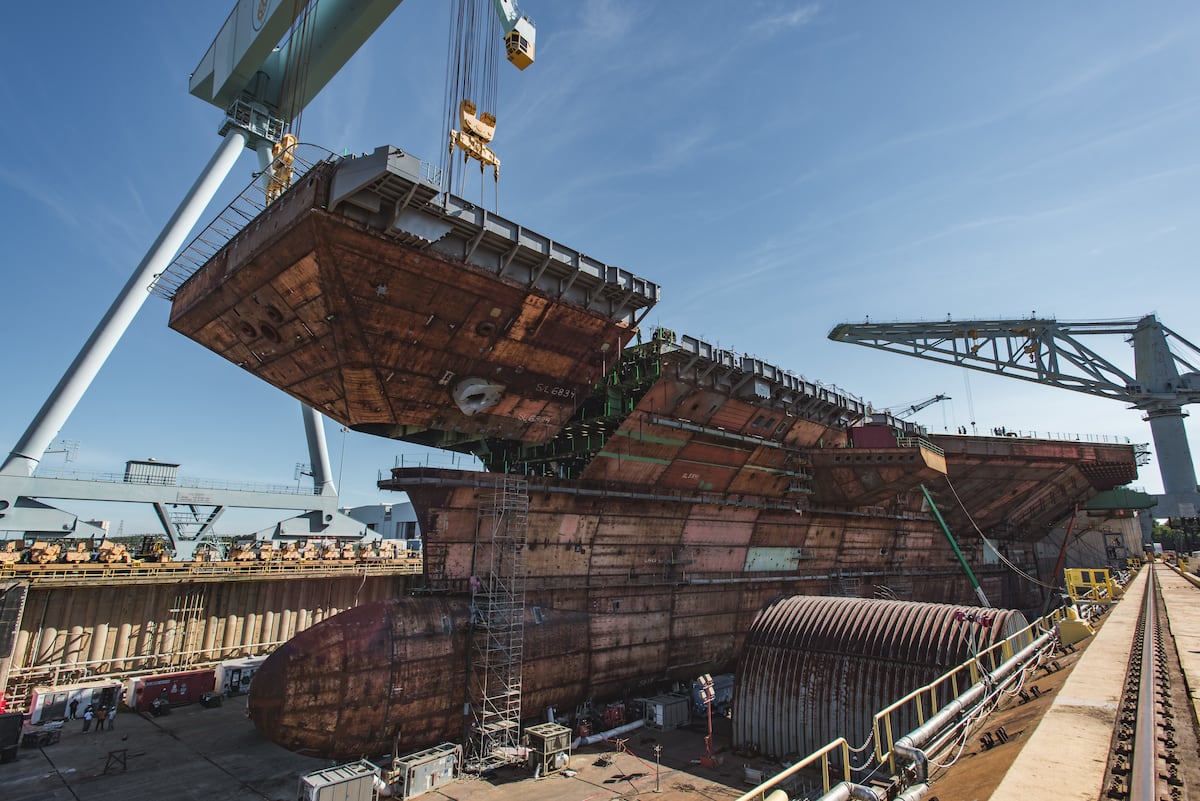
يسعى البيت الأبيض إلى زيادة كبيرة في بناء السفن من خلال مقترح ميزانية الدفاع للسنة المالية 2027، طالبًا تمويلاً يرتبط بضعف عدد السفن المطلوبة في العام السابق. ووفقًا للمادة المصدرية المقدمة، تتضمن مقترحات ميزانية الدفاع البالغة 1.5 تريليون دولار 65.8 مليار دولار من رأس المال المخصص لبناء السفن لصناعة 18 سفينة من قوة القتال و16 سفينة من قوة غير القتال.
هذا الحجم وحده يجعل المقترح لافتًا. فقد ظل بناء السفن أحد أصعب مجالات التخطيط الدفاعي في الولايات المتحدة، لأنه يجمع بين التكاليف الصناعية الكبيرة، وجداول التسليم الطويلة، وقيود القوى العاملة، والضرورة الاستراتيجية. إن طلبًا بهذا الحجم ليس مجرد بند في الميزانية، بل هو تصريح حول الطريقة التي تريد بها الإدارة تشكيل الوضع العسكري في بيئة بحرية تزداد تنازعًا.
المنطق وراء الطلب
يربط النص المصدر المقترح مباشرة بالمخاوف من أن تصبح المياه العالمية أكثر تنازعًا. ويؤكد عرض البيت الأبيض أن الولايات المتحدة يجب أن تكون قادرة على توفير المنصات البحرية التي تحتاجها لوعي المجال البحري والردع. وتعكس هذه اللغة إجماعًا استراتيجيًا لم يزد إلا صلابة في السنوات الأخيرة: فالسيطرة والحضور والقدرة على البقاء في البحر عادت من جديد إلى قلب المنافسة بين القوى الكبرى.
يمكن قراءة الطلب الأكبر على السفن باعتباره محاولة للتعامل مع عدة ضغوط متداخلة في وقت واحد. فزيادة عدد السفن يمكن أن توسع المرونة العملياتية، وتدعم وضعية القوات الموزعة، وتساعد على موازنة المخاوف بشأن الجاهزية أو تقادم الأساطيل. كما أنها تشكل إشارة سياسية للحلفاء والخصوم على حد سواء بأن الولايات المتحدة تعتزم الاستمرار في الاستثمار بقوة في القدرة البحرية.
بناء السفن يتعلق بأكثر من أعداد الأسطول
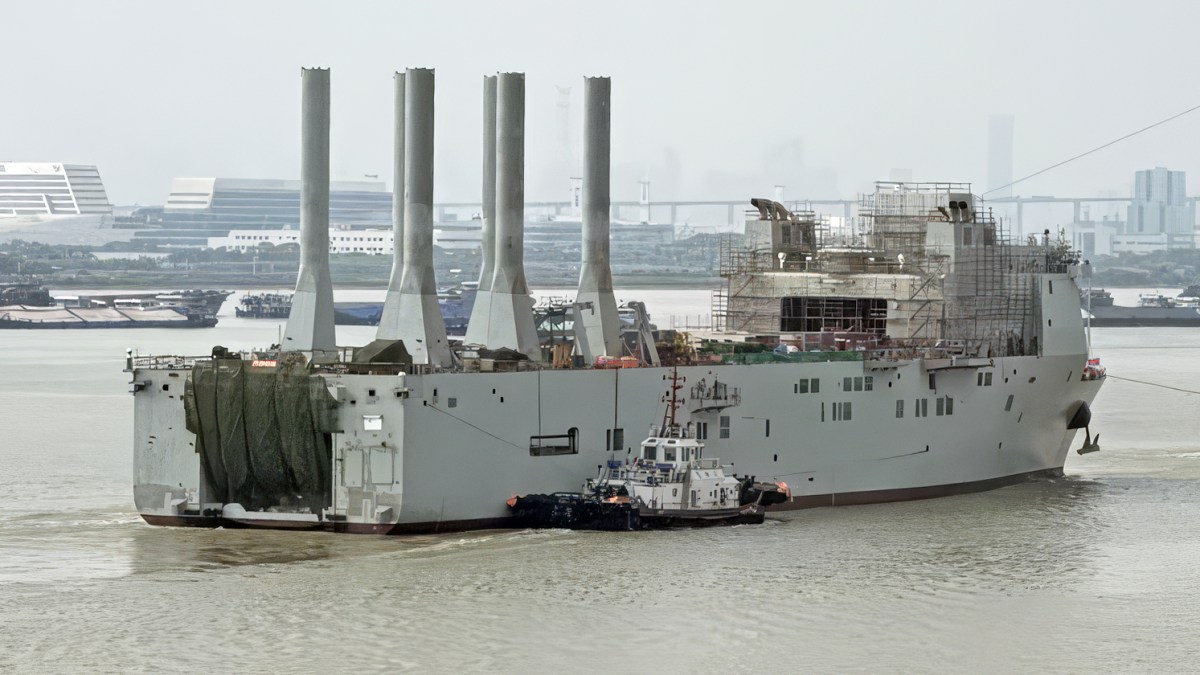
من السهل اختزال العنوان في أعداد السفن، لكن خطط بناء السفن تكشف أيضًا كيف ترى الحكومة قاعدتها الصناعية. فبرامج البحرية الكبيرة تتطلب قدرة مستمرة في أحواض البناء، وشبكات مورّدين، وعمالة ماهرة، وثقة طويلة الأمد في الشراء. لذا فإن الزيادة الحادة في عدد السفن المطلوبة لا تختبر الأولويات الاستراتيجية فحسب، بل تختبر أيضًا الواقعية الصناعية.
وهذا يجعل المقترح ذا أثر مهم حتى قبل أن يتحرك الكونغرس. إن طلب 34 سفينة قتالية وداعمة جديدة يفرض نقاشًا حول ما إذا كانت الصناعة الأمريكية قادرة على استيعاب هذا الطلب بكفاءة، وما هي المفاضلات التي قد تواجهها الخدمات الأخرى، وكيف ستعمل عملية ترتيب المشتريات في الواقع. فالميزانيات لا تتحول إلى سفن بين ليلة وضحاها، بل تصبح قرارات تعاقد، وجداول إنتاج، وفي النهاية هياكل بحرية بعد سنوات، إذا سارت عملية التنفيذ كما ينبغي.
لا تقدم المادة المصدرية تفصيلاً برنامجًا ببرنامج هنا، لكن الرقم الإجمالي البالغ 65.8 مليار دولار يشير إلى أن بناء السفن يُرفع إلى مرتبة أولوية إنفاق أساسية داخل طلب الدفاع الأوسع.
الخلفية الاستراتيجية: بحار متنازع عليها والردع
توقيت المقترح مهم. فالمنافسة البحرية لم تعد تُناقش بمصطلحات إقليمية بحتة، بل تمتد إلى مهام الردع، وأمن خطوط الإمداد، والحضور البحري، والقدرة على العمل عبر مسارح متعددة. وتؤكد لغة البيت الأبيض المذكورة في المصدر على “وعي المجال البحري والردع”، وهما مفهومان يشيران إلى المراقبة وإلى إسقاط القوة في آن واحد.
ويشير هذا الإطار إلى أن الإدارة ترى التوسع البحري استجابة ليس لأزمة واحدة فحسب، بل لحالة أكثر استمرارًا من المنافسة الاستراتيجية. وقد يكون القصد من أسطول أكبر، أو حتى من مسار موثوق نحو أسطول أكبر، طمأنة الشركاء، وتعقيد تخطيط الخصوم، وتقليل الضغط على الأصول المنتشرة المرهقة.
وفي الوقت نفسه، تعد قرارات بناء السفن من أقل أدوات سياسة الدفاع مرونة على المدى القريب. فالطائرات والذخائر وبعض الأنظمة البرية يمكن غالبًا إنتاجها أو تكييفها أسرع من السفن الحربية الكبيرة. وهذا يعني أن المقترحات الموازنية في هذا المجال تعبر عن رهان أمني طويل الأجل، لا مجرد رد فعل قصير الأمد.
الاختبار الحقيقي لا يزال في الكونغرس
كما تذكر المادة المصدرية، فإن طلب الرئيس يحتاج في النهاية إلى موافقة الكونغرس. وهذا مهم لأن ميزانيات البيت الأبيض غالبًا ما تعمل بوصفها عروضًا افتتاحية لا نتائج محسومة. ولدى المشرعين أولوياتهم الخاصة، بما في ذلك المصالح الصناعية في ولاياتهم، ومخاوف الجاهزية، وسياسات العجز، ووجهات النظر المختلفة بشأن التوازن المناسب بين الخدمات.
وقد جذب بناء السفن تاريخيًا اهتمامًا من الحزبين، لكن ذلك لا يضمن مسارًا سهلاً. فقد يشكك أعضاء الكونغرس في القدرة على تحمل التكاليف، أو تنفيذ البرامج، أو مزيج الأسطول، أو العلاقة بين عدد السفن والفعالية القتالية الفعلية. وقد يدعم آخرون التوسع لكنهم يطالبون بخطط أوضح للقاعدة الصناعية أو بإجراءات رقابية لتجنب تجاوز التكاليف وتأخر الجداول.
ومع ذلك، فإن الطلب نفسه يعيد ضبط إطار النقاش. فمن خلال الدعوة إلى عدد أكبر بكثير من السفن وربط طموح كهذا برقم رأسمالي محدد، تجعل الإدارة من تعزيز البحرية قضية دفاعية في الصف الأول لدورة ميزانية 2027.
إشارة موازنية ذات آثار صناعية
سواء احتفظ الكونغرس بالطلب كاملًا أم لا، فإن المقترح يرسل إشارة قوية إلى قطاع البحرية. فبناة السفن والموردون ومخططو القوى العاملة والشركاء الحلفاء جميعهم ينتبهون إلى هذه الأرقام لأنها تؤثر في التوقعات بشأن الطلب المستقبلي والأولوية الاستراتيجية. ويمكن أن يؤثر دفع جاد نحو بناء السفن في قرارات الاستثمار قبل وقت طويل من وصول الاعتمادات النهائية.
ولهذا يستحق مقترح 2027 الانتباه خارج نطاق السياسة. فهو يشير إلى أن الإدارة تعتقد أن المنافسة البحرية تستدعي الآن جهدًا بنائيًا أكبر بصورة ملموسة. وإذا أُقر، فسيكون ذلك من أوضح التأييدات الأخيرة للتوسع البحري باعتباره أداة محورية في سياسة الدفاع الأمريكية.
ستحدد عملية الموازنة مقدار ما يبقى من هذه الرؤية. لكن الرسالة الاستراتيجية باتت واضحة بما يكفي: في نظر الإدارة، تتطلب المياه المتنازع عليها مزيدًا من السفن، ومزيدًا من رأس المال لبناء السفن، والتزامًا صناعيًا أقوى بالقوة البحرية.
هذه المقالة تستند إلى تغطية Defense News. اقرأ المقال الأصلي.
Originally published on defensenews.com