Seoul is moving from debate to formal planning
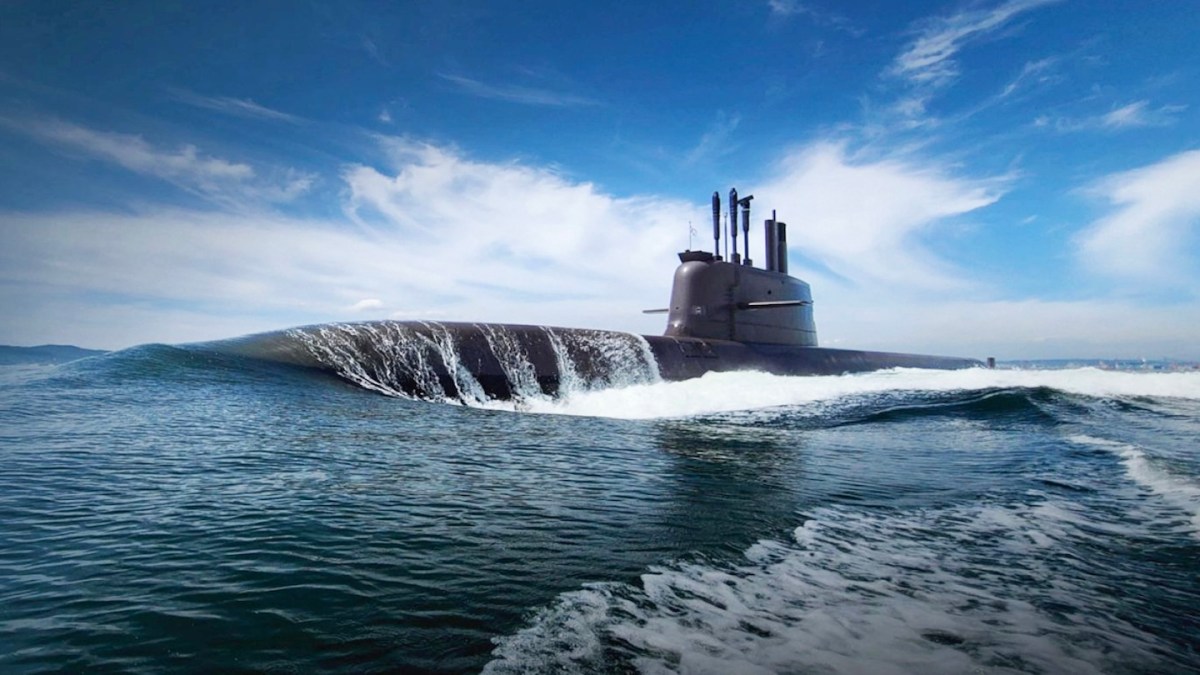
South Korea has confirmed plans to develop a new class of nuclear-powered submarines under what it calls the Jang Bogo N Project. That alone makes this more than a procurement story. It is a strategic marker showing that Seoul wants a different class of naval capability, one associated with long endurance, higher mobility, and a much broader operational radius than conventional diesel-electric boats can provide.
According to the source text, the Ministry of National Defense published a document on May 26 titled the Basic Plan for the Development of Nuclear-Powered Submarines in the Republic of Korea. The ministry describes the move as a major advance in national naval capability and says the submarines would offer dramatically enhanced operational performance compared with the navy’s existing diesel-powered fleet.
Why nuclear propulsion matters
Nuclear-powered submarines occupy a different tier of undersea warfare. Their value is not simply that they can stay submerged longer. They can also sustain higher speeds, travel farther without the operational compromises imposed by battery charging or fuel logistics, and reposition more flexibly across wider theaters.
The South Korean defense ministry, as quoted in the source, emphasizes functionally unlimited range and higher mobility. In military terms, that means more persistent surveillance, stronger deterrence presence, and faster reaction options in a crisis. For a country facing a heavily armed North Korea and operating in a region crowded with major naval powers, those advantages are substantial.
The ministry also explicitly ties the program to responding to North Korea’s submarine-launched nuclear and missile threats. That framing matters. It presents the project not as prestige procurement but as part of a threat-response architecture in which the undersea domain is becoming more central.
More than a fleet upgrade
The larger significance lies in what nuclear propulsion represents politically and industrially. Only a small number of countries operate nuclear-powered submarines in active service. Joining that group would place South Korea in a very different category of naval power.
It would also deepen Seoul’s long-term investment in advanced military-industrial capabilities. Building and sustaining nuclear-propelled submarines is not just about producing a hull. It requires specialized engineering, reactor integration, workforce depth, regulatory frameworks, basing considerations, and decades of maintenance capacity. Once a country commits, it is committing to a strategic and industrial ecosystem, not just a platform.
That is why this announcement will be read beyond the Korean Peninsula. Regional actors will interpret it as a signal about South Korea’s future role in Indo-Pacific security, its desire for greater independent military reach, and the seriousness with which it views undersea competition.
The deterrence question
The source text also points to a more sensitive implication: nuclear propulsion can lay groundwork relevant to a future sea-based nuclear deterrent option. The article does not claim South Korea is building such a deterrent now, and the ministry states that the republic will transparently fulfill its non-proliferation obligations. Still, the overlap between propulsion expertise, submarine operations, and broader strategic deterrence debates is impossible to ignore.
That is precisely why the project will attract close international scrutiny. Even if the present goal is conventional military capability, the symbolism of a nuclear-submarine program in Northeast Asia is unusually heavy. It intersects with alliance politics, arms-control norms, and the ongoing question of how regional states adapt to a worsening security environment.
A long road from plan to fleet
The source makes clear this is a long-term program, especially since it would be South Korea’s first military application of nuclear propulsion. That means timelines, cost, technical hurdles, and diplomatic management will all shape whether the project becomes a transformative capability or remains an ambitious plan.
But the policy signal is already clear. South Korea is publicly stating that it wants more than incremental improvement in its submarine force. It wants a step change. In a region where maritime power increasingly underwrites national strategy, that is a development other capitals will not treat as routine.
- South Korea has published a formal plan to develop nuclear-powered submarines under the Jang Bogo N Project.
- Seoul says the submarines would offer dramatically enhanced capability versus diesel boats.
- The move carries strategic implications well beyond modernization, including deterrence and regional signaling.
This article is based on reporting by twz.com. Read the original article.
Originally published on twz.com