أوضح أعلى مسؤول في البحرية المفاضلة بصراحة
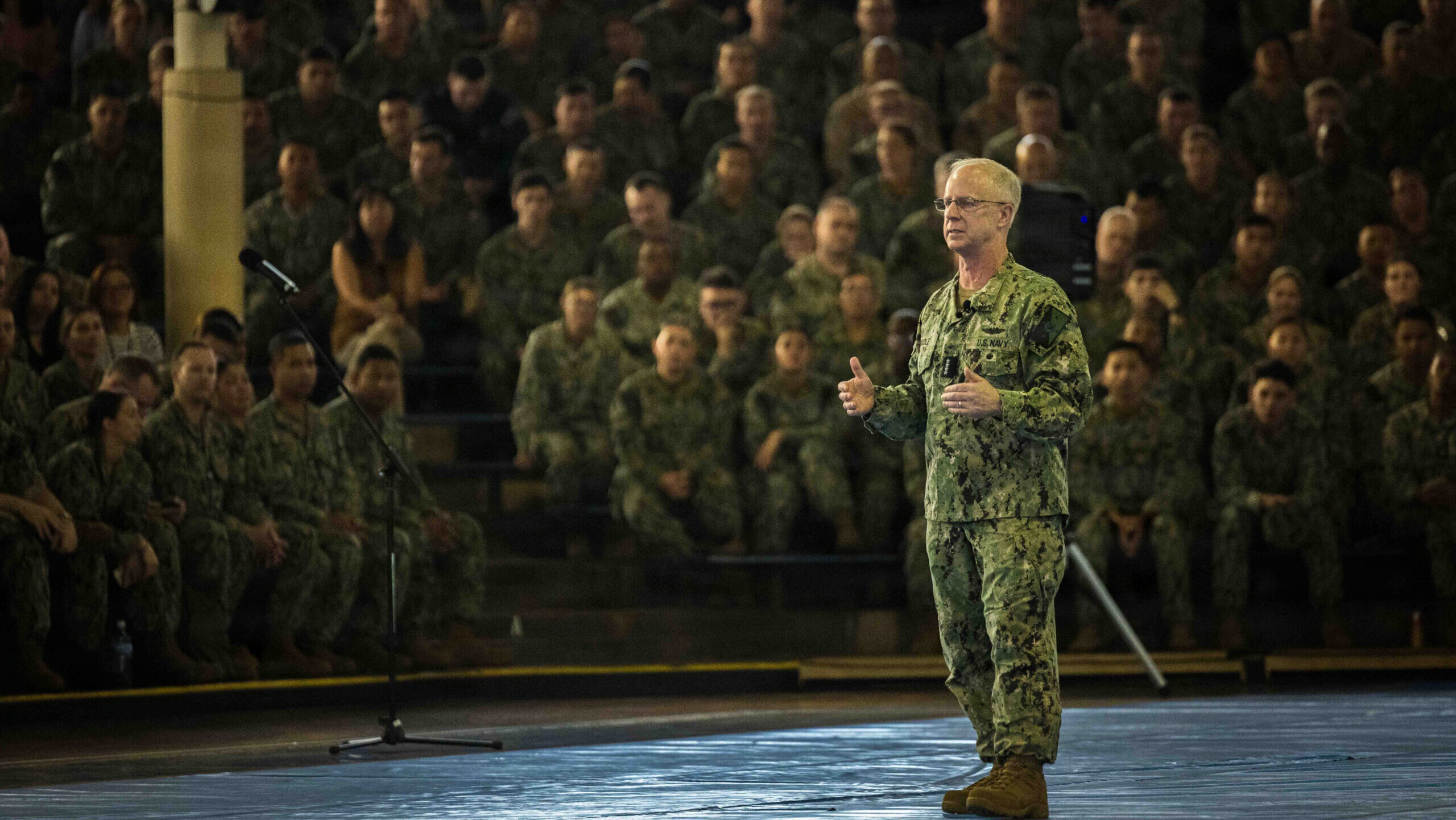
يقول أعلى ضابط بالزي العسكري في البحرية الأميركية إن الصراع مع إيران يستهلك الجاهزية العسكرية بطرق تقلل حتمًا مما يمكن توجيهه إلى ساحات أخرى، بما في ذلك ضد الصين. وفي حديثه خلال فعالية لمركز الدراسات الاستراتيجية والدولية، وصف رئيس العمليات البحرية الأدميرال داريل كودل المسألة بأنها مسألة حسابية لا رأي: إذا استُخدم مورد ثابت في ساحة واحدة، يبقى أقل لساحة أخرى.
وتكمن أهمية هذه الصراحة في أن النقاشات العامة حول تموضع القوات الأميركية تحاول غالبًا تجنب الاعتراف بالمفاضلات المباشرة، خصوصًا عندما تريد واشنطن إظهار القوة في عدة مناطق في الوقت نفسه. ولم يتجنب كودل ذلك. قال إنه قلق، وأشار إلى أن الجاهزية تُستهلك، ولفت تحديدًا إلى مخزونات الذخائر التي تلقت ضربة خلال العمليات المرتبطة بإيران.
الذخائر والانتشار وضغط المتطلبات المتزامنة
يشير النص المصدر المرفق إلى الاستخدام الكثيف لصواريخ توماهوك للهجوم البري، وصواريخ باتريوت الاعتراضية، وأنظمة THAAD منذ بدء العمليات في 28 فبراير. كما يذكر أن وزير الدفاع بيت هيغسث قال إن البنتاغون يعتزم طلب تمويل إضافي لدعم عمليات الشرق الأوسط وإعادة ملء المخزونات المستنزفة. وتوضح هذه التفاصيل مشكلة محورية في التخطيط العسكري الحديث: فالعائق ليس دائمًا القوة القتالية في حد ذاتها، بل المعدل الذي يمكن عنده الاستمرار في تشغيل الأنظمة المتقدمة والذخائر واستبدالها.
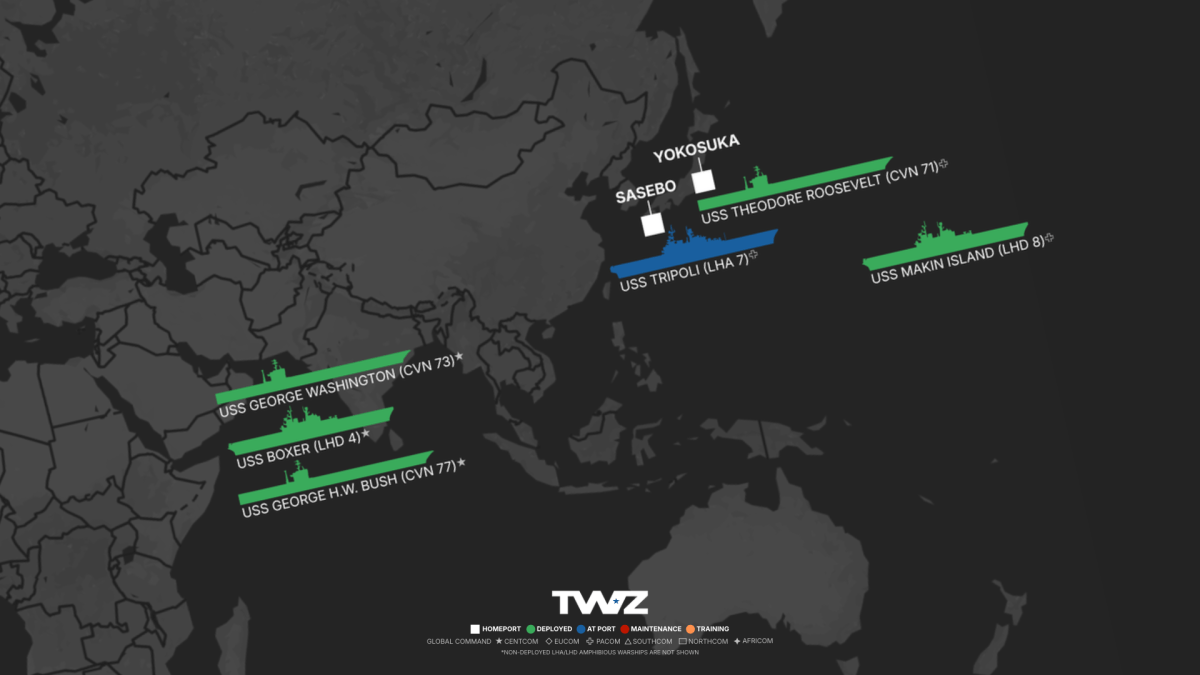
وقال كودل أيضًا إن حاملة الطائرات جيرالد آر. فورد يمكن أن تبقى في البحر لمدة 11 شهرًا، وهو ما يتجاوز بكثير مدة الانتشار القياسية للبحرية البالغة سبعة أشهر. والانتشار المطول ليس مجرد مشكلة في الجدولة. فهو يؤثر في دورات الصيانة، وإرهاق الطاقم، ونوافذ التدريب، ونموذج توليد القوة الأوسع الذي يقوم عليه الحضور العالمي. وبالتوازي، أشارت تقارير إلى أن حاملة أخرى، جورج إتش. دبليو. بوش، كانت تُرسل إلى المنطقة، ما يزيد من تركيز الأصول عالية القيمة في منطقة واحدة.
السؤال المتعلق بالصين هو الخلفية الاستراتيجية الحقيقية
لماذا يكتسب هذا كل هذه الأهمية؟ لأن المؤسسة الدفاعية الأميركية أمضت سنوات وهي تؤكد أن الصين هي التحدي الأبرز. فإذا جرى تحويل الموارد والذخائر والأصول البحرية الرفيعة أو إنهاكها في صراع مختلف، تصبح مصداقية الردع في منطقة المحيطين الهندي والهادئ أصعب في الاستدامة. وتقر تصريحات كودل فعليًا بأن واشنطن لا تستطيع الادعاء بأن هذه الساحات منفصلة استراتيجيًا بعضها عن بعض.
ويذكر النص المصدر أيضًا أنه تم نقل أسلحة من مسرح المحيط الهادئ إلى الشرق الأوسط. وهذا من نوع التفاصيل التي تحول القلق العام إلى تحول استراتيجي قابل للقياس. فشيء أن تقول إن الأولويات يجب أن تُوازن، وشيء آخر أن تنقل القدرات فعليًا بعيدًا عن المنطقة التي تُوصف غالبًا بأنها مركز المنافسة طويلة الأمد مع بكين.
اعتراف نادر بقدرة محدودة علنًا
ما يجعل تصريحات كودل لافتة هو وضوحها. فكثيرًا ما يقول المسؤولون الأميركيون إن الجيش مصمم على الاستجابة عالميًا، وقد كرر كودل هذه النقطة. لكنه قرنها بالحقيقة الأصعب، وهي أن القوة الموجهة عالميًا تعمل مع ذلك ضمن قيود محدودة. وقال إن التحدي يتمثل في كيفية خفض المخاطر في مكان آخر مع تركيز موارد كبيرة في منطقة واحدة.
ومن المرجح أن يصبح هذا سؤالًا أكثر إلحاحًا، لا مؤقتًا. فالحروب الحديثة تستهلك الذخائر الدقيقة الباهظة بسرعة، وتضغط على جداول الانتشار، وتكشف الفجوة بين الطموح الاستراتيجي والقدرة الصناعية على إعادة الإمداد. وتوحي تعليقات رئيس البحرية بأن هذه الضغوط لم تعد مجرد هواجس تخطيطية مجردة. إنها تُشعر الآن.
والاستنتاج مباشر: قد يكون الصراع مع إيران محدودًا جغرافيًا، لكن آثاره ليست كذلك. فكل صاروخ يُطلق، وكل انتشار يُمدد، وكل أصل يُنقل إلى الشرق الأوسط يغير توازن ما تستطيع الولايات المتحدة أن تعد به بشكل موثوق في مكان آخر. لم تكن نقطة كودل بلاغية. كانت تشغيلية.
يعتمد هذا المقال على تقرير من Breaking Defense. اقرأ المقال الأصلي.
Originally published on breakingdefense.com