الاختبار الذي غيّر المحادثة
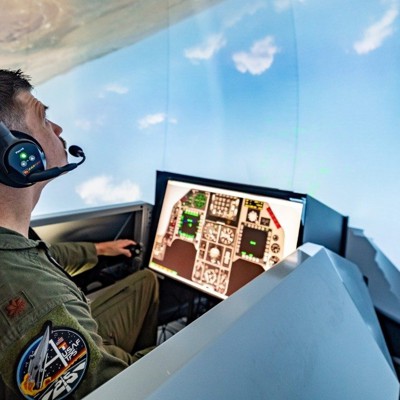
استخدم طيارو الاختبار في القوات الجوية نظام ذكاء اصطناعي تكتيكي للتفادي من تهديد صاروخي حقيقي خلال اختبار طيران محكوم—مما يشكل علامة فارقة تنقل القتال الجوي المساعد بـ AI من المحاكاة إلى العرض التوضيحي في العالم الحقيقي. تم إجراء الاختبار من قبل طيارين من مدرسة اختبار الطيران بالقوات الجوية بالتعاون مع وكالة مشاريع البحث الدفاعية المتقدمة، وتطلب من نظام AI اكتشاف إطلاق الصاروخ وتقييم هندسة التهديد وتنفيذ مناورات التفادي دون مدخلات طيار مباشرة.
كان الطيارون في قمرة القيادة واحتفظوا بقدرة الإلغاء طوال الاختبار، لكن تسلسل المناورات التفادية تم تنفيذه بواسطة نظام AI في نافذة زمنية متاحة بين اكتشاف إطلاق الصاروخ والاعتراض—وهي نافذة قد تُقاس بالثواني اعتماداً على الهندسة. وحده وقت رد الفعل البشري غير كافٍ لتنفيذ مناورات تفادي مثالية باستمرار ضد الصواريخ الحديثة؛ تم تصميم الاختبار لتحديد ما إذا كانت أنظمة AI يمكنها ملء هذه الفجوة.
مشكلة سرعة القتال
تطور القتال الجوي الحديث بعيد المدى البصري إلى إيقاع يضغط على القدرة المعرفية والبدنية البشرية. تسافر الصواريخ بعدة أضعاف سرعة الصوت ويمكنها تنفيذ مناورات توجيه نهائية عالية G يجب على طيار الطائرة الدفاعية التنبؤ بها والرد عليها. تتطلب الهندسة الدفاعية—تحديد اتجاه التفادي الأمثل والاستخدام المناسب للقش والقنابل الوهمية ومعاملات المناورة التي تقلل من توجيه الصاروخ دون تجاوز الحدود الهيكلية للطائرة—حسابات سريعة تحت ضغط شديد.
يطور طيارو المقاتلات ذوو الخبرة استجابات حدسية من خلال آلاف الساعات من التدريب وعمل المحاكاة، لكن تلك الاستجابات تستند إلى التعرف على الأنماط ضد أنواع صواريخ معروفة بأغلفة أداء معروفة. مع تطور تكنولوجيا الصواريخ للخصم وازدياد شيوع السيناريوهات متعددة التهديدات، تستمر الطلبات المعرفية على الطياري البشر في الزيادة. تمثل أنظمة AI التي يمكنها استيعاب بيانات المستشعرات في الوقت الفعلي وتنفيذ استجابات دفاعية مثالية ميزة قدرة قد تكون حاسمة.
برنامج تطور القتال الجوي بـ DARPA
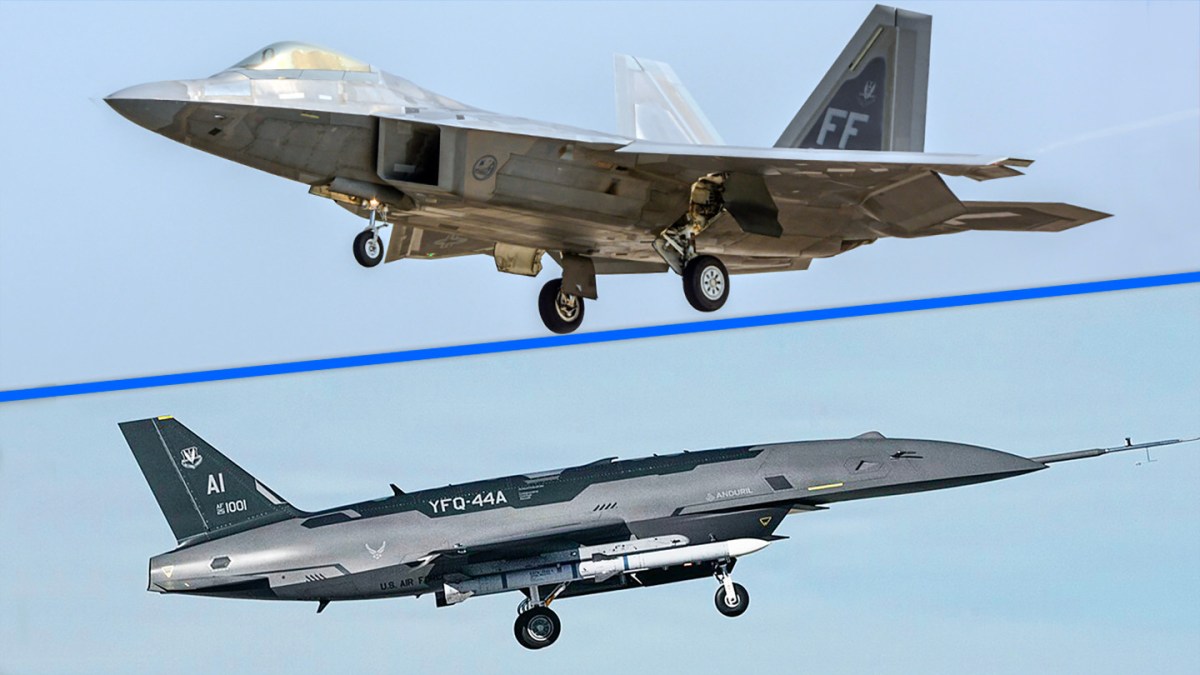
الاختبار جزء من برنامج تطور القتال الجوي (ACE) بـ DARPA، والذي كان يطور AI للقتال الجوي منذ عام 2019. اكتسب البرنامج اهتماماً واسعاً لأول مرة من خلال تجارب AlphaDogfight في عام 2020، حيث هزم نظام AI طياراً بشرياً في القتال البصري المحاكى. منذ ذلك الحين، انتقل البرنامج بشكل تدريجي من المحاكاة إلى الأجهزة، واختبار أنظمة AI في الطائرات الفعلية بدلاً من نماذج الكمبيوتر.
يعكس التقدم كلاً من نضج AI الأساسي وعملية التنظيم والسلامة المطلوبة لإجراء عمليات اختبار الطيران المسيطر عليها بـ AI. يتطلب كل توسع في سلطة AI في اختبار الطيران—من المحاكاة، إلى اختبار الأجهزة في الحلقة، إلى الطيران الفعلي مع طياري الأمان، إلى العروض التوضيحية التشغيلية ضد التهديدات الحقيقية—تطوير حالات سلامة واسعة النطاق وتقييم المخاطر. يمثل اختبار تفادي الصاروخ خطوة مهمة بشكل خاص لأنه تضمن تهديداً حقيقياً وليس محاكاة.
ما تم عرضه
عرض الاختبار عدة قدرات محددة. كان على نظام AI تحديد وتصنيف تهديد الصاروخ الوارد بشكل صحيح من بيانات المستشعرات—تمييزه عن أجسام الطيران الأخرى وتوصيف وضع التوجيه والغلاف الأدائي. كان يتعين عليه بعد ذلك حساب استجابة تفادي تأخذ في الاعتبار حالة الطاقة الحالية للطائرة وهندسة اعتراض الصاروخ المتوقعة وقيود غلاف الطيران للطائرة.
تضمن تسلسل المناورات التفادية كلاً من المناورات الحركية—تغيير مسار الطائرة لتقليل الميزة الهندسية للصاروخ—ونشر التدابير المضادة، موقوتة بواسطة AI لتعظيم فعاليتها بناءً على وضع التوجيه المقدر للصاروخ. يعتبر دمج المناورات البدنية والتدابير المضادة معاً في استجابة واحدة محسوبة بواسطة AI أكثر تعقيداً من أي من القدرتين وحدهما.
المسار إلى الأنظمة التشغيلية
يتطلب ترجمة عرض توضيحي اختبار ناجح إلى قدرة تشغيلية للقوات الجوية خط أنابيب تطوير يمتد لسنوات. شهادة السلامة والتكامل مع أنظمة الطائرات الإنتاجية وتطوير بروتوكولات واجهة الإنسان والآلة والعمل الذي يحدد متى تكون سلطة AI مناسبة كلها مهام جوهرية. يوفر برنامج الطائرات القتالية التعاونية بالقوات الجوية—تطوير طائرات بدون طيار مستقلة من نوع الزميل ستحلق إلى جانب الطائرات المأهولة بالبشر—مساراً قريب المدى لهذه التكنولوجيا. يمكن نشر أنظمة AI التكتيكية التي يتم تطويرها لتفادي الصواريخ في الطائرات المأهولة بالبشر أولاً في الأنظمة غير المأهولة بالبشر حيث تكون رهانات أخطاء AI أقل وحيث يكون سؤال السلطة أبسط.
التضمين الاستراتيجي الأوسع للاختبار واضح: AI ينتقل من وظيفة دعم في الطيران العسكري—تخطيط المهام وتحليل البيانات واللوجستيات—إلى دور مباشر في العمل البدني للقتال الجوي. كيفية إدارة هذا الانتقال وما هي الحدود المفروضة على سلطة AI المستقلة في المواقف الحياة أو الموت هي أسئلة تعمل الجيش على حلها بنشاط.
تستند هذه المقالة إلى تقارير Defense One. اقرأ المقالة الأصلية.
Originally published on defenseone.com