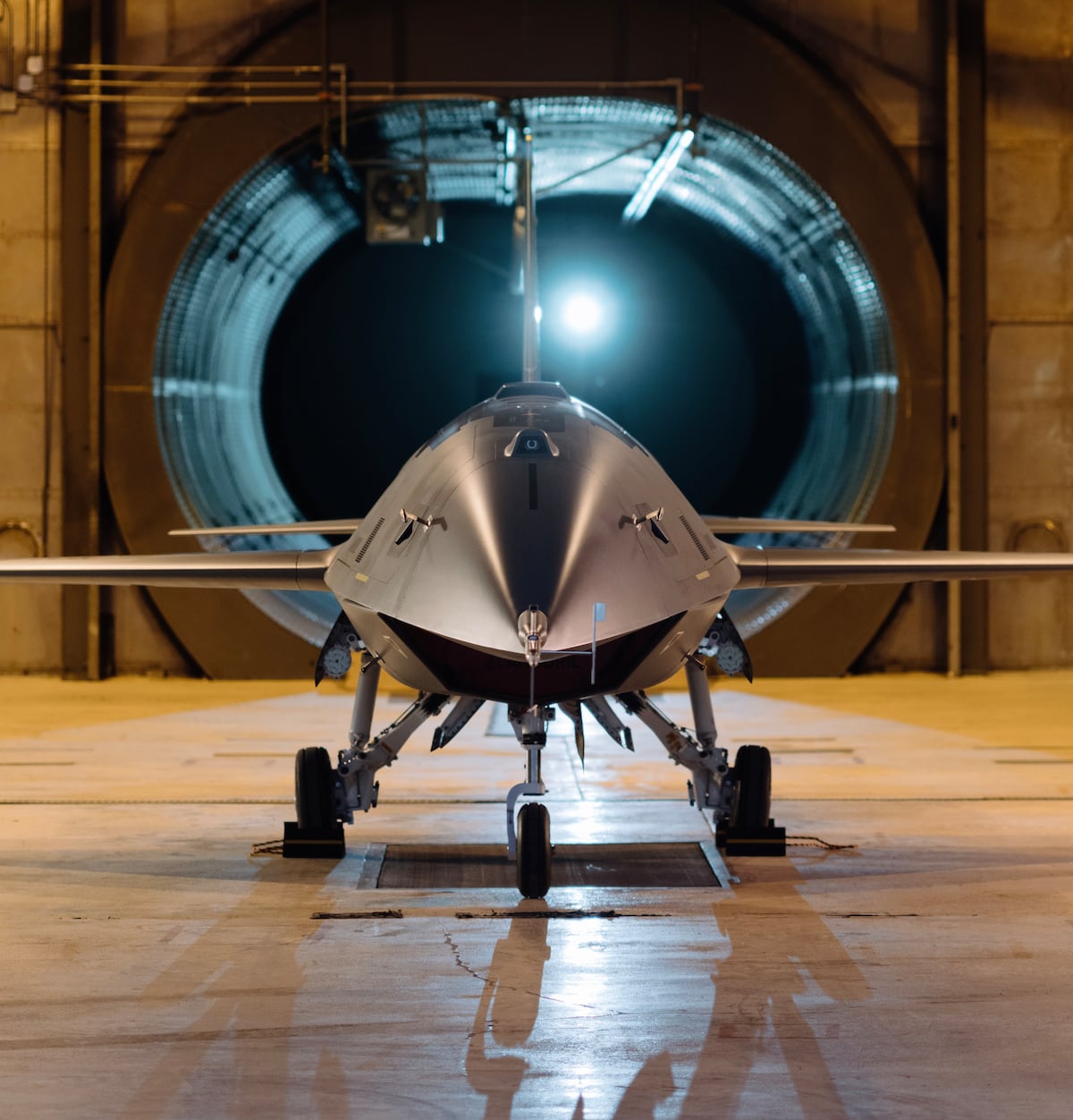
القوات الجوية تنتقل من برامج النماذج الأولية إلى مشتريات أسطول مخططة
تمثل طلبات ميزانية القوات الجوية الأمريكية للسنة المالية 2027 نقطة تحول لطائرات القتال التعاونية، أو CCA. فهذه هي المرة الأولى التي يطلب فيها السلاح تمويلا للشراء، وليس فقط أموالا للبحث، للطائرات شبه المستقلة التي يريد أن تطير إلى جانب المقاتلات المأهولة.
يتضمن الطلب 996.5 مليون دولار لبدء شراء طائرات من المرحلة الأولى، إضافة إلى 150 مليون دولار أخرى للشراء المسبق للسنة المالية 2028. ومع نحو 1.37 مليار دولار من البحث والتطوير، يصل إجمالي المبلغ المطلوب للبرنامج إلى نحو 2.37 مليار دولار. وهذا يجعل CCA أكثر من مجرد عرض لمفهوم. إنها تصبح برنامج شراء فعليا، بما يترتب عليه من آثار صناعية وقاعدية وتدريبية وآثار على بنية القوة.
لماذا يهم بند الميزانية
غالبا ما تقضي برامج الدفاع سنوات في التجارب من دون أن تدخل أبدا بنود الشراء التي تحدد قرارات الأسطول على المدى الطويل. بند CCA الجديد مختلف. إنه أوضح إشارة حتى الآن إلى أن القوات الجوية تتوقع أن تصبح هذه الطائرات جزءا دائما من الطيران القتالي في المستقبل.
وهذا مهم لأن CCA تهدف إلى حل مشكلة عملياتية محددة: المقاتلات المأهولة وحدها باهظة الثمن ومحدودة العدد، ولا تكفي لتوليد الحجم المطلوب في صراع عالي الشدة ضد خصم مكافئ. وتكمن إجابة القوات الجوية في إقران الطيارين البشر بطائرات نفاثة شبه مستقلة يمكنها امتصاص المخاطر، وحمل أجهزة استشعار أو أسلحة، وتوسيع مدى التشكيلات المأهولة.
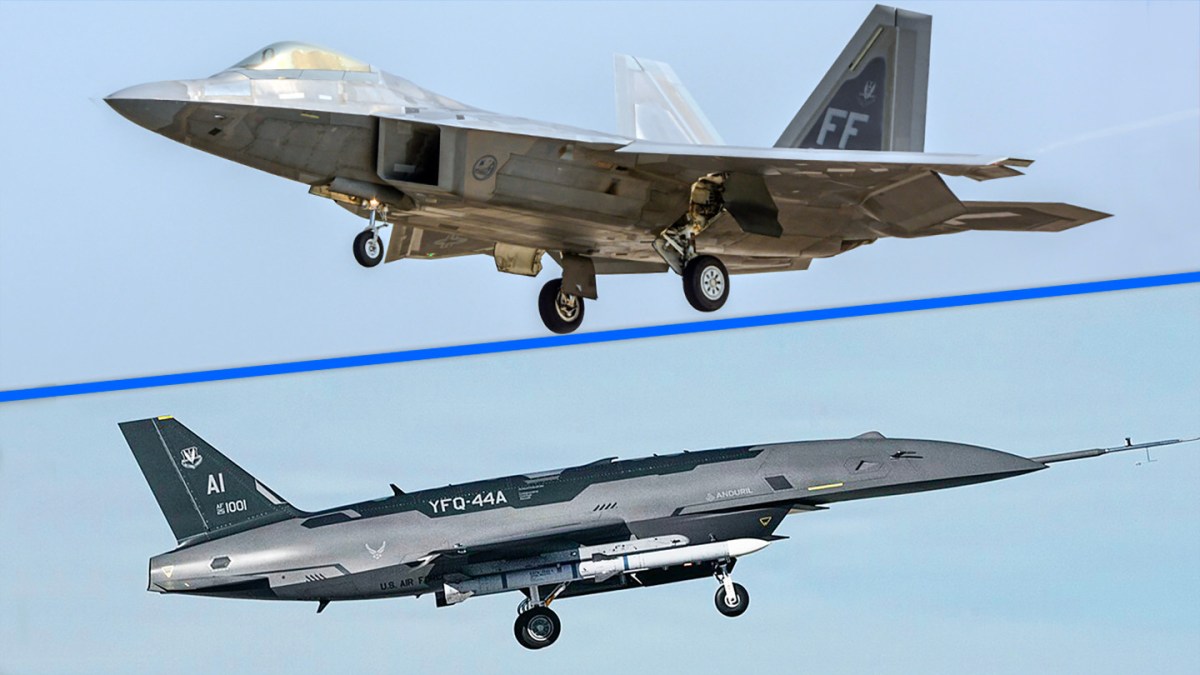
في هذا النموذج، يظل الطيار في F-35 أو F-22 أو F-47 المستقبلية هو قائد المهمة، بينما تتولى الطائرات غير المأهولة الملاحة والمناورة ودمج المستشعرات واستخدام الأسلحة بفضل الاستقلالية الموجودة على متنها.
ما الذي يفترض أن يفعله Increment 1
من المتوقع أن يركز Increment 1 أساسا على مهام جو-جو والهجوم. أما المراحل اللاحقة فمخطط لها أن تتوسع إلى الحرب الإلكترونية وأدوار الاستخبارات والمراقبة والاستطلاع. وكانت القوات الجوية قد أشارت سابقا إلى أنها قد تشتري ما بين 100 و150 طائرة في المرحلة الأولى، ضمن طموح طويل الأمد أكبر قد يصل في النهاية إلى المئات أو إلى أعداد بالآلاف المنخفضة.
الحجم هو جوهر الفكرة. يفترض أن تكون CCA رخيصة بما يكفي لخسارتها في القتال، وقادرة بما يكفي على تقديم مساهمة حقيقية، وكثيرة بما يكفي لإعادة تشكيل طريقة تفكير القوات الجوية في الكتلة القتالية. وهذا خروج كبير عن نموذج المقاتلة التقليدي، حيث تكون كل طائرة باهظة الثمن ونادرة إلى درجة تجعل تقبل المخاطر مقيدا بحكم الأمر الواقع.
وقد طرحت الخدمة تصورا غير نهائي يكون فيه لكل مقاتلة مأهولة سيطرة على طائرتين من CCA، رغم أن الاختبارات والمحاكاة تشير، وفقا للتقارير، إلى أن الطيار قد يتمكن من إدارة ثلاث إلى خمس طائرات.
قرار الشراء يخلق نقاط ضغط جديدة
بمجرد طلب الأموال للشراء الأولي، تنتقل الأسئلة العملية إلى الواجهة. لا تزال القوات الجوية بحاجة إلى اتخاذ قرارات رئيسية بشأن أماكن تمركز هذه الطائرات، ومن سيقوم بصيانتها، وكيف سيجري تدريب الطيارين والفنيين، وكيف ستُدمج الأنظمة في تنظيمات المقاتلات القائمة.
هذه ليست ملاحظات إدارية جانبية. إنها ستحدد ما إذا كانت CCA ستصبح ميزة عملياتية أم قدرة واعدة تعيقها الاحتكاكات التنظيمية. قد تؤدي الطائرة أداء جيدا في الاختبارات ومع ذلك تواجه صعوبات إذا لم تُحسم قضايا اللوجستيات والتكتيكات وعلاقات القيادة ومفاهيم الإدامة.
لذلك فإن طلب الميزانية لا يلتزم فقط بالتمويل. بل يلتزم أيضا بأن يعمل السلاح والكونغرس والصناعة على التغييرات المؤسسية اللازمة لجعل الطيران القتالي المستقل أمرا اعتياديا لا استثنائيا.
لماذا يهم هذا أبعد من برنامج واحد
كما يقول طلب CCA شيئا أوسع عن الطريقة التي ترى بها القوات الجوية حرب المستقبل. فالبرنامج يعكس افتراضا بأن البقاء والحجم سيعتمدان بشكل متزايد على فرق من منصات مختلفة، لا على عدد قليل من الطائرات المأهولة الفاخرة التي تعمل بمفردها.
هذا المنطق يتماشى مع التخطيط في المحيط الهادئ، حيث تدفع المسافات الطويلة والمجال الجوي المتنازع عليه والحاجة إلى تعقيد استهداف العدو نحو تشكيلات أكبر وأكثر توزيعا. كما يفسر لماذا تفكر القوات الجوية بالفعل بما يتجاوز Increment 1. فقد ذكرت Defense News أن تسعة موردين متعاقد معهم لنماذج Increment 2 الأولية، وأن ألعاب الحرب ترجح أعدادا أكبر من الطائرات الأقل تكلفة.
إذا ثبتت هذه التقديرات، فإن أولى دولارات الشراء ليست سوى بداية لتحول أعمق في تصميم الطيران القتالي وشرائه وعقيدته.
ما الذي يأتي بعد ذلك
لا يزال على الكونغرس إقرار الميزانية. وستحدد معالم البرنامج وأداء الموردين وموثوقية الاستقلالية والقدرة على تحمل التكلفة مدى سرعة انتقال CCA من المشتريات المخططة إلى الأسراب العملياتية. لكن الاتجاه أصبح الآن أصعب على التجاهل.
لسنوات، كان من السهل وصف مفاهيم الجناح المخلص في العروض ومن السهل تأجيلها في التطبيق. لكن طلب السنة المالية 2027 يغير ذلك. فمن خلال السعي للحصول على ما يقرب من مليار دولار للشراء الأولي، تشير القوات الجوية إلى أن طائرات القتال شبه المستقلة لم تعد إضافة نظرية. إنها تُبنى داخل القوة التي تتوقع الخدمة أن تقاتل بها.
ويبقى التحدي هو التنفيذ. لقد راهنت القوات الجوية استراتيجيا. والآن عليها أن تثبت أنها تستطيع بناء التنظيم والتدريب وقاعدة الإنتاج اللازمة لجعل هذا الرهان موثوقا على المستوى العملياتي.
هذه المقالة تستند إلى تقرير Defense News. اقرأ المقال الأصلي.
Originally published on defensenews.com