ادعاء بكثافة طاقة عالية يلمّح إلى أين قد تستقر البطاريات الصلبة أولًا
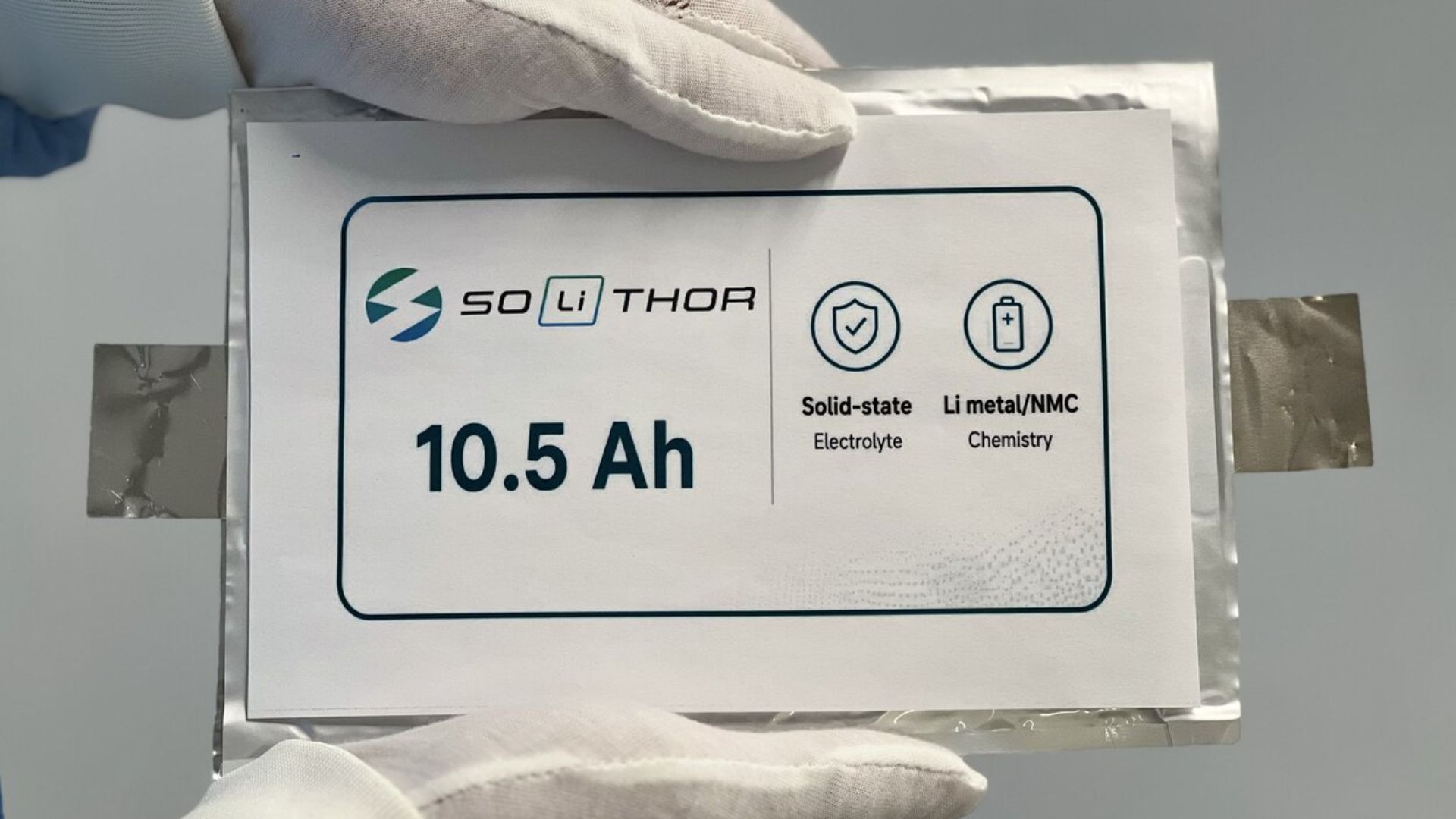
تقول الشركة الأوروبية الناشئة SOLiTHOR إنها أنتجت أول خلية عرض من الحالة الصلبة بسعة 10 أمبير-ساعة، وتذكر أنها تسجل كثافة طاقة تبلغ 465 واط/كغ مع استهداف تطبيقات الفضاء والدفاع. ظاهريًا، هذه قصة عن بطارية. وعمليًا، هي أيضًا قصة عن اختيار السوق، لأن الخلايا المتقدمة لا تبدأ دائمًا بملاحقة أكبر سوق. فهي غالبًا تبدأ حيث تكون الأداءات باهظة الثمن، ويكون الوزن هو العامل الأهم، ويمكن أن يظل الحجم الأولي للإنتاج منخفضًا نسبيًا.
الرقم الرئيسي هو ما يجذب الانتباه. كثافة الطاقة تمثل مقياسًا محوريًا في تطوير البطاريات من الجيل التالي لأنها تشير مباشرة إلى مقدار الطاقة التي يمكن تخزينها مقابل كتلة معينة. وبالنسبة لقطاعات مثل الفضاء والدفاع، لا يكون هذا المفاضلة نظريًا. فكل كيلوغرام يتم توفيره يمكن أن تكون له قيمة تشغيلية كبيرة، سواء كانت المنصة جوية أو متنقلة أو محدودة بمدة التحمل.
وتحمل تسمية 10 أمبير-ساعة أهمية أيضًا. فهي تشير إلى أن الشركة تتحدث عن أكثر من مجرد مفهوم مادة على نطاق مختبري. فالخلية التجريبية ما تزال بعيدة جدًا عن الإنتاج الكمي، لكنها توحي بجهد لإظهار التقنية في صيغة أقرب إلى التطبيق العملي. وفي صناعة البطاريات، فإن الانتقال من وعد كيميائي إلى إثبات على مستوى الخلية هو المرحلة التي تبدأ فيها كثير من الروايات بمواجهة تدقيق أشد.
لماذا يبدأ الفضاء والدفاع أولًا
إن اختيار قطاعي الفضاء والدفاع كهدفين أوليين دالّ. فهذان القطاعان يمكنهما تبرير المكونات مرتفعة الثمن إذا كانت فائدة الأداء كبيرة بما يكفي. وهذا يجعلهما موطئ قدم طبيعيًا لتقنيات البطاريات التي لم تصبح جاهزة بعد للمنافسة على السعر في السيارات الكهربائية السائدة أو التخزين الثابت. وإذا كانت الخلية قادرة على تقديم كثافة طاقة أعلى بشكل ملموس، فقد يكون العملاء الذين يشغلون الطائرات أو المركبات المتخصصة أو الأنظمة الدفاعية مستعدين لتحمل أعباء التسعير المبكر والاعتماد التي سترفضها أسواق المستهلكين.
هذا لا يعني أن الشركة قد حلت معضلة التسويق التجاري. بل يعني أنها قد تتبع مسارًا مألوفًا في التقنيات العميقة: إثبات التقنية في المكان الذي تكون فيه المعادلة الاقتصادية أكثر تساهلًا، ثم محاولة التوسع إلى استخدامات أوسع لاحقًا. وبالنسبة لمطوري البطاريات الصلبة، قد يكون هذا التسلسل أكثر واقعية من الوعد بإحداث تحول فوري في سوق البطاريات بأكمله.

ما الذي يمكن استنتاجه من التفاصيل المتاحة
تدعم المواد المتاحة بضعة ادعاءات مهمة وتترك الكثير من الأمور الأخرى مفتوحة. فهي تدعم أن SOLiTHOR أنتجت أول خلية عرض بسعة 10 أمبير-ساعة، وأن الشركة تشير إلى كثافة طاقة تبلغ 465 واط/كغ، وأن قطاعي الفضاء والدفاع هما التطبيقات المستهدفة المعلنة. لكنها لا تقدم بيانات عن عمر الدورات، أو نتائج اختبارات السلامة، أو مردود التصنيع، أو تكلفة الإنتاج، أو أداء الشحن، أو جداول زمنية للإنتاج. وهذه هي بالضبط التفاصيل التي ستحدد في النهاية ما إذا كانت الخلية التجريبية المبهرة ستتحول إلى نشاط تجاري مستدام.
ومع ذلك، فإن حتى الإنجازات المحدودة تظل مهمة في تطوير البطاريات لأن هذا المجال يمتلك تاريخًا طويلًا من الادعاءات الكبيرة التي تصطدم بالواقع الهندسي. فالخلية التجريبية ليست مجرد شريحة عرض أو عينة مادة. إنها خطوة وسيطة تطرح أسئلة أصعب. هل يمكن تكرار الأداء؟ هل يمكن تصنيعها باستقرار؟ وهل تحتفظ الخلية بمزاياها بعد دمجها في حزمة أو نظام مهمة؟
وتزداد حدة هذه الأسئلة بالنسبة للبطاريات الصلبة، التي أمضت سنوات في منطقة وسطى بين وعد الاختراق والتأخر الصناعي. فالجاذبية واضحة: كثافة طاقة أعلى واحتمال تحسين معادلات السلامة أو التغليف. لكن التحدي هو أن تحويل هذه الفوائد إلى منتجات قابلة للتصنيع لا يزال صعبًا.
قطاع يستحق المتابعة
إذا استمر هذا التطور، فقد يثبت قطاعا الفضاء والدفاع أنهما ساحة الاختبار المناسبة. فهذان القطاعان يتسمان عادةً بتبني التكنولوجيا على نحو صارم، لكن ليس بالضرورة مدفوعًا بالحجم في البداية. والشركة التي تستطيع ترسيخ الموثوقية هناك قد تكسب المصداقية اللازمة لجذب الشركاء والعملاء ورؤوس أموال إضافية للتوسع.
في الوقت الراهن، من الأفضل قراءة إعلان SOLiTHOR باعتباره محطة مبكرة لكنها ملموسة. فهو لا يحسم سباق البطاريات الصلبة، ولا يثبت أن النشر في الأسواق الواسعة بات وشيكًا. لكنه يوضح أن مطورًا واحدًا على الأقل يحاول نقل النقاش من الإمكانات الكيميائية المجردة إلى عتاد موجّه للتطبيق، مع أولوية للقطاعات الحساسة للوزن.
هذه المقالة مبنية على تقرير من Interesting Engineering. اقرأ المقال الأصلي.
Originally published on interestingengineering.com