الروبوتات تحت الماء تواجه مشكلة في الاتصالات
يمكن للمركبات الذاتية تحت الماء أن ترسم الخرائط وتفحص وتستكشف أماكن يصعب على البشر الوصول إليها، لكنها لا تزال تواجه قيدًا تقنيًا عنيدًا: فبمجرد أن تغوص، تصبح الاتصالات الموثوقة صعبة. تتلاشى موجات الراديو بسرعة تحت الماء، خاصة في المياه المالحة. أما الروابط الصوتية فتعمل على مسافات أطول، لكنها تُدخل التشويه والصدى والضوضاء. ويمكن للأنظمة البصرية نقل البيانات بسرعة، لكنها تحتاج إلى خط رؤية وتضعف في الظروف العكرة.
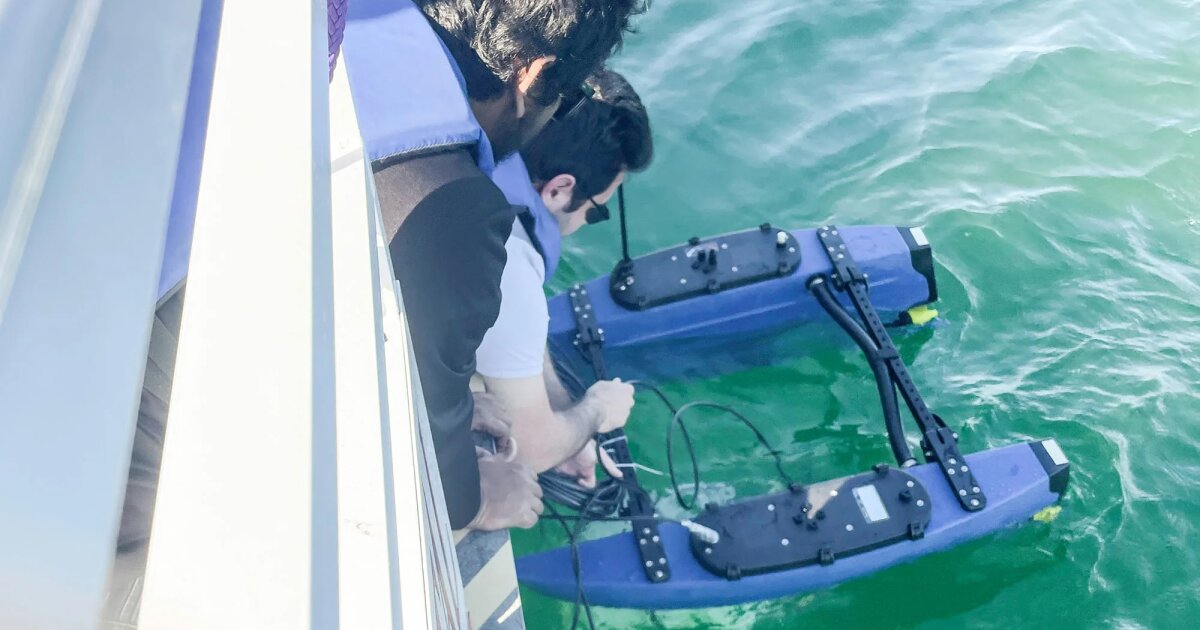
هذا المزيج يجعل كثيرًا من الروبوتات تحت الماء تعمل بتواصل محدود في الوقت الفعلي. وفي كثير من الحالات، لا يمكنها إلا تبادل إشارات حالة متفرقة أو الاضطرار إلى الصعود إلى السطح لنقل بيانات ذات معنى. ويهدف نظام جديد يسمى BlueME، طوره باحثون في جامعة فلوريدا ووصفتْه New Atlas، إلى تغيير هذا القيد.
نهج فيزيائي مختلف
يركز BlueME على هوائي مغناطيس كهربائي بدلًا من أساليب الاتصال اللاسلكي التقليدية تحت الماء. ووفقًا للنص المصدر، يتيح النظام للمركبات الذاتية تحت الماء تبادل البيانات على مسافات تصل إلى 730 مترًا مع استهلاك نحو 10 واط من الطاقة. وإذا ثبتت هذه الأرقام في الاستخدام الأوسع، فسيكون ذلك مفاضلة لافتة: مدى مفيد مع قدرة منخفضة من دون الاعتماد على الصعود إلى السطح أو القنوات الصوتية المليئة بالضوضاء.
نشأت الفكرة من إدراك متعدد التخصصات. فقد كان آدم خليفة، الشريك في قيادة المشروع، قد عمل سابقًا على الغرسات اللاسلكية المصغرة ولاحظ أن بعض التحديات الفيزيائية داخل جسم الإنسان تشبه تلك الموجودة تحت الماء. يتكون الجسم إلى حد كبير من ماء مالح قليلًا، ما يعني أن الحلول المطورة للإرسال عبر هذه البيئة قد تكون لها نظائر في الاتصالات البحرية.
كيف يعمل الهوائي
تصف المصادر BlueME بأن مكوّنه الأساسي هو هوائي يقترن فيه تأثيران فيزيائيان على التوالي. يقوم مجال مغناطيسي بتشويه طبقة مغناطيسية انكماشية مصنوعة من Metglas. ثم يؤدي هذا التشوه الميكانيكي إلى توليد جهد في طبقة كهروضغطية مجاورة، تم تحديدها على أنها PZT. وقد صُمم هذا الترتيب لتحويل السلوك المغناطيسي إلى كهربائي والعكس في حزمة مدمجة.
ما يجعل ذلك مثيرًا للاهتمام ليس علم المواد وحده، بل التطبيق أيضًا. فأنظمة الراديو التقليدية تواجه صعوبة لأن مياه البحر تضعف الإشارات الكهرومغناطيسية بشدة. ويهدف التصميم المغناطيس الكهربائي لـ BlueME إلى استغلال نظام تشغيل مختلف، مما يفتح طريقًا لاتصالات أكثر متانة بين الآلات المغمورة والمشغلين على السطح.
لماذا قد يكون هذا مهمًا للاستقلالية
تعد قيود الاتصال أحد الأسباب التي تجعل الروبوتات تحت الماء أكثر تقييدًا من الاستقلالية الجوية أو البرية. فالمسيّرة في السماء يمكنها الحفاظ على وصلة عالية النطاق. أما الروبوت تحت المحيط فلا يستطيع غالبًا ذلك. وهذا يفرض تخطيطًا محافظًا للمهام، ودورات قرار متأخرة، وصعودًا دوريًا إلى السطح قد يقطع العمليات أو يكشف المركبات.
إذا تمكنت الروبوتات تحت الماء من تبادل البيانات بشكل موثوق على مسافات مئات الأمتار، فستبدأ بعض تلك القيود في التراجع. ويمكن للمركبات أن تتعاون مع بعضها بصورة أفضل، وتمرير التحديثات من دون الصعود إلى السطح، ومنح المشغلين صورة أكثر استقرارًا عن تقدم المهمة. وسيكون ذلك مهمًا للمسوحات العلمية، وفحص البنية التحتية، والرصد البيئي، وغيرها من العمليات البحرية التي تكون فيها الاستمرارية مهمة.
المقايضات مع الطرق الحالية
كل طريقة اتصال تحت الماء قائمة تأتي مع مقايضة. فالروابط الصوتية تقطع مسافة أطول، لكنها قد تعاني من تشويه دوبلر، وتداخل المسارات المتعددة، والضوضاء البيئية. والروابط البصرية سريعة لكنها هشة في الظروف الواقعية. أما الروابط اللاسلكية الراديوية فعادة ما يكون مداها قصيرًا جدًا لحل المشكلة الأوسع. ويُقدَّم BlueME بوصفه وسيلة للانتقال إلى أرضية وسطى أكثر قابلية للعمل.
وهذا لا يعني أنه سيحل محل كل الأنظمة الأخرى. عمليًا، من المرجح أن تبقى الاتصالات تحت الماء متعددة الوسائط، مع استخدام أدوات مختلفة لمديات مختلفة واحتياجات مختلفة من عرض النطاق والبيئات. لكن وصلة منخفضة الطاقة بمدى مُبلّغ عنه كهذا يمكن أن تصبح طبقة مهمة ضمن هذه المنظومة.
ما نعرفه حتى الآن
تقول New Atlas إن العمل قُبل في IEEE Journal of Oceanic Engineering وتشير إلى تجارب في المياه المفتوحة في Lake Wauburg بولاية فلوريدا. وهذا يمنح المشروع وزنًا أكبر من مجرد عرض توضيحي مفهومي، رغم أنه لا يزال في مرحلة يصبح فيها الأداء تحت ظروف تشغيل أوسع أمرًا مهمًا.
وأهم الأرقام المنشورة في المصدر هي المدى المبلغ عنه البالغ 730 مترًا، واستهلاك الطاقة البالغ نحو 10 واط. وهذه الأرقام مقنعة لأن الأنظمة البحرية توازن باستمرار بين التحمل، والحمولة، ومتطلبات الاتصالات. وقد يكون للوصلة الأكثر كفاءة آثار لاحقة على تصميم المهام.
نمط أوسع في الهندسة
يعكس BlueME أيضًا نمطًا أوسع في التكنولوجيا الناشئة: فالاختراقات المفيدة غالبًا ما تأتي من تكييف أفكار عبر المجالات بدلًا من ابتكار كل مكوّن من الصفر. وفي هذه الحالة، ساعدت مفاهيم صيغت من خلال اتصالات الغرسات على إلهام أداة للروبوتات البحرية.
هذا النوع من النقل هو غالبًا الموضع الذي تصبح فيه الابتكار عمليًا. فليس اكتشاف تأثير فيزيائي جديد هو الجزء الأصعب دائمًا. بل إن الجزء الأصعب هو ملاحظة أن حلًا قديمًا في وسط معين قد يجيب عن مشكلة طويلة الأمد في وسط آخر.
الاختبار التالي
وعد BlueME واضح. فالروبوتات تحت الماء تحتاج إلى طرق أفضل للبقاء على اتصال، والأنظمة الحالية تفرض عليها مفاضلات صعبة. ويمكن لهوائي مغناطيس كهربائي يحافظ على اتصال مفيد عبر مسافات طويلة تحت الماء مع قدرة متواضعة أن يوسّع بشكل ملموس ما يمكن لهذه المركبات فعله.
ويبقى السؤال المطروح هو ما إذا كانت نتائج المختبر والتجارب ستتوسع إلى بيئات واقعية متنوعة. وإذا حدث ذلك، فقد تصبح الاستقلالية تحت الماء أقل عزلة وأكثر قدرة بكثير.
تعتمد هذه المقالة على تقرير New Atlas. اقرأ المقال الأصلي.
Originally published on newatlas.com