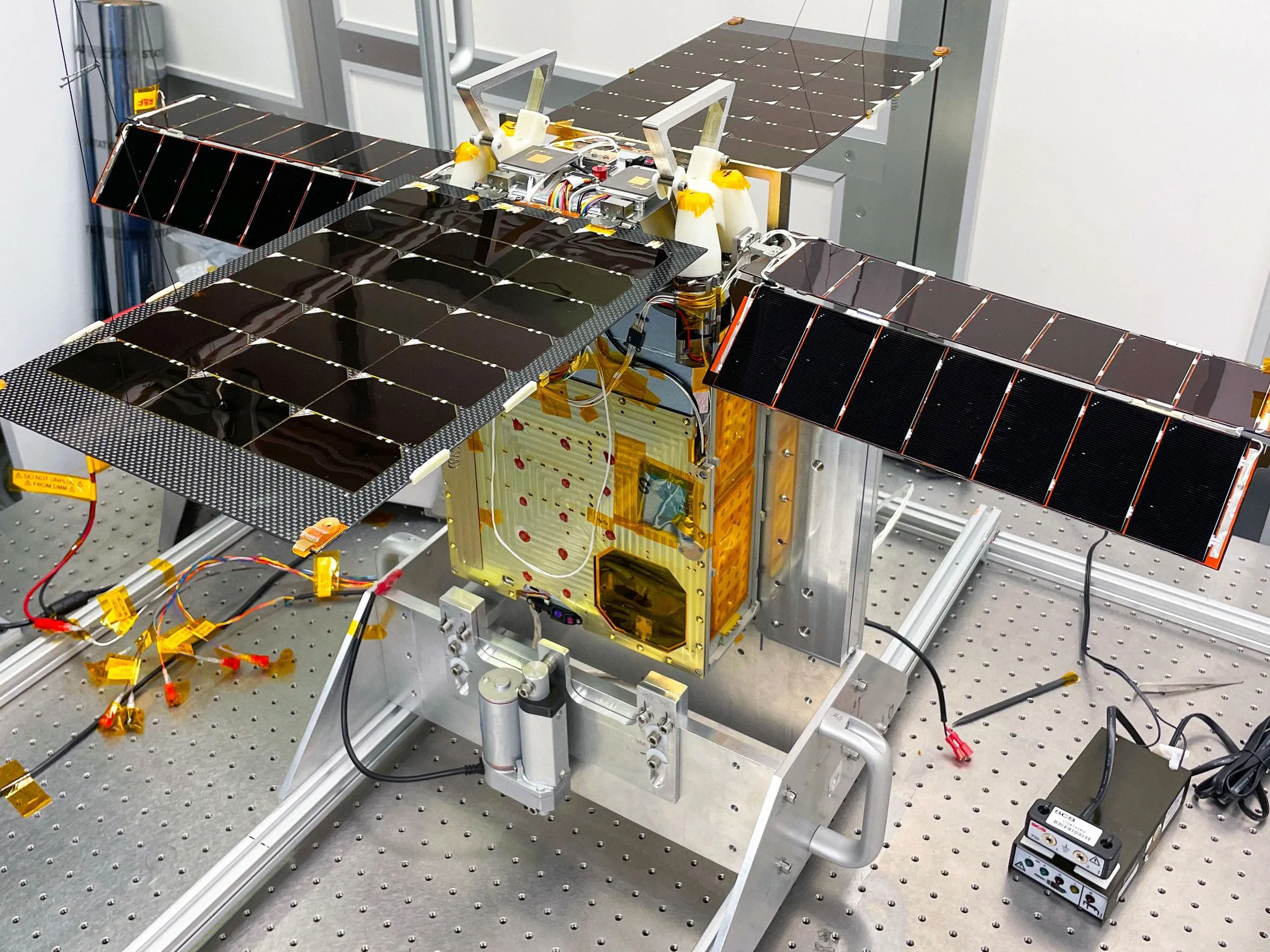
قد يبدأ عنق زجاجة الدفع في الأقمار الصناعية الصغيرة بالانفراج
اختبر مهندسو MIT نظام دفع هجينًا قد يجعل الأقمار الصناعية الصغيرة أكثر قدرة بكثير من خلال حل مقايضة تصميمية قديمة. يجمع هذا المفهوم بين الدافعات الكيميائية، التي توفر دفعات قصيرة من قوة دفع عالية، ودافعات electrospray، التي تمنح دفعًا أكثر كفاءة بكثير لكنه أبطأ وعلى فترات طويلة. والإنجاز الأساسي هو أن النظامين يمكنهما العمل على الوقود نفسه.
بالنسبة إلى CubeSats والأقمار الصناعية الصغيرة الأخرى، فهذا أمر مهم للغاية. فالفضاءيات الصغيرة جذابة لأنها أقل تكلفة وأسهل إطلاقًا من الأقمار الصناعية التقليدية، لكن حجمها يترك مساحة ضئيلة لأنظمة دفع متعددة وخزانات منفصلة. وإذا كانت المهمة تتطلب مناورات مدارية سريعة وتسارعًا تدريجيًا في الفضاء العميق معًا، فإن استيعاب هذه القدرات في منصة مدمجة واحدة يصبح صعبًا.
تشير نتيجة MIT إلى أن هذا القيد قد لا يكون ثابتًا كما كان يبدو سابقًا. ومن خلال استخدام وقود يُعرف باسم ASCENT لكلا نمطي الدفع، يشير الفريق إلى طريقة يمكن للأقمار الصغيرة أن تكتسب بها مرونة من دون حمل بنى وقود غير متوافقة.
لماذا يغيّر وقود واحد المعادلة
لكلٍّ من الدفع الكيميائي والكهربائي وظيفة مختلفة. فالدافعات الكيميائية تحرق الوقود بسرعة وتنتج قوة دفع كبيرة، ما يجعلها مفيدة لتغييرات المدار السريعة التي تحدث في ثوانٍ. أما دافعات electrospray فهي أبطأ بكثير، لكنها شديدة الكفاءة في استهلاك الوقود ومناسبة جدًا للتعديلات الدقيقة أو للتسارع طويل المدة على مدى أشهر أو سنوات.
حتى الآن، كان استخدام النهجين معًا على مركبة فضائية صغيرة جدًا يعني عادة قبول قدر إضافي من التعقيد. فأنظمة الدفع المختلفة تتطلب عادةً أنواعًا مختلفة من الوقود وطرق تخزين وأجهزة داعمة. وعلى منصة بحجم صندوق أحذية أو حقيبة يد، يمثل ذلك عبئًا كبيرًا.
ينبع الإنجاز الموصوف في التقرير من خصائص ASCENT، وهو اختصار لـ Advanced SpaceCraft Energetic Non-Toxic propellant. وقد طُوّر من قبل سلاح الجو الأمريكي بوصفه بديلًا أكثر صداقة للبيئة عن hydrazine، وكان الهدف الأصلي منه أن يُستخدم في الدافعات الكيميائية. لكنه يتمتع أيضًا بخاصية تجعله غير مألوف: إنه سائل أيوني.
السوائل الأيونية هي أملاح تبقى سائلة حتى في فراغ الفضاء، وهو أمر نادر ومفيد. وهذه الاستقرار يجعلها مناسبة للدفع electrospray، حيث تُسرَّع قطرات أو أيونات مشحونة لتوليد الدفع. وبعبارة أخرى، تبين أن وقودًا صُمم لأحد أنماط دفع الفضاء يمتلك حياة ثانية خفية.

اختبار الفكرة في حالة انعدام وزن محاكى
استخدم فريق MIT منصة دفع ذات تعليق مغناطيسي صُممت لمحاكاة انعدام الوزن في الفضاء وقياس الدفع الناتج عن دافعات electrospray العاملة بوقود ASCENT. ويقول التقرير إن المهندسين اختبروا بنجاح المفهوم الهجين، وأظهروا أن الوقود نفسه يمكنه دعم الاحتياجات السريعة للدفع الكيميائي وكفاءة الدفع الكهربائي على المدى الطويل.
ويشير المقال أيضًا إلى أن أربع دافعات طيران electrospray بُنيت في Space Propulsion Laboratory التابع لـ MIT مخصصة لمهمة NASA المقبلة Green Propulsion Dual Mode. وهذه النقطة مهمة لأنها تربط التطوير المخبري بمسار فعلي للطيران الفضائي. فالعمل ليس نظريًا فقط، بل يجري تحضيره في سياق مهمة يمكن فيه تقييم الفكرة بصورة مباشرة أكثر.
كما يذكر التقرير Lunar Flashlight، وهو CubeSat منخفض التكلفة يعمل بوقود ASCENT الأخضر وصُمم لرسم خريطة لثلج القطب الجنوبي للقمر. ويعزز هذا المثال الجاذبية الاستراتيجية للوقود الأخضر في المهمات الصغيرة، حيث تكون السمية وتعقيد المناولة وقيود الكتلة جميعها عوامل مهمة.
ما الذي يمكن أن يتيحه هذا لـ CubeSats
إذا استطاع قمر صناعي صغير حمل وقود واحد مع التبديل بين مناورات عالية الدفع ودفع كفء طويل المدة، فإن مصممي المهمات سيحصلون على خيارات كانت تقليديًا من نصيب المنصات الأكبر. فقد يتمكن CubeSat، نظريًا، من تنفيذ مهام إدخال مداري بشكل أكثر جرأة، ثم الانتقال إلى تصحيحات دقيقة أو رحلات طويلة بين الكواكب باستخدام عائلة الوقود نفسها على متنه.
ولهذا تبدو العبارة الرئيسية في التقرير لافتة جدًا: قد تساعد دافعات بحجم الطابع البريدي في نهاية المطاف CubeSats على الوصول إلى المريخ وما بعده. الصياغة طموحة، لكن المنطق واضح. فالمهمات بين الكواكب تتطلب الكفاءة، بينما لا يزال النشر والملاحة قد يحتاجان إلى دفعات أقوى قصيرة. وقد تضيق بنية ثنائية النمط الفجوة بين تكلفة الأقمار الصغيرة وما يمكنها إنجازه.
ولا تكمن الجاذبية في الجانب العلمي وحده. فالمركبات الأقل تكلفة والأكثر تنوعًا في الدفع قد توسع الوصول أمام الجامعات والشركات الأصغر والوكالات التي تسعى إلى توزيع المخاطر عبر عدة بعثات صغيرة بدلًا من منصة كبيرة واحدة.
الوقود الأخضر جزء من القصة أيضًا
دور ASCENT بوصفه بديلًا غير سام لـ hydrazine ليس تفصيلًا ثانويًا. فقد ظل hydrazine فعالًا لفترة طويلة، لكنه معروف بخطورته الشديدة عند التعامل معه. ويمكن للوقود الأكثر أمانًا أن يخفض الأعباء التشغيلية ويفتح إمكانات مهمة للجهات التي لا تريد البنية التحتية المرتبطة بالوقود شديد السمية.
وبهذا المعنى، يقع عمل MIT عند تقاطع اتجاهين مهمين في أنظمة الفضاء: التصغير والدفع الأكثر خضرة. ويكتسب هذا الجمع قوته لأنه يعالج الكلفة والعملية معًا. فالأقمار الصناعية الصغيرة لا تكون ثورية حقًا إلا إذا استطاعت إنجاز المزيد من دون أن ترث التعقيد التشغيلي للأنظمة الأكبر.
نتيجة تقنية ذات دلالات استراتيجية
لا تعني اختبارات MIT أن كل CubeSat سيتجه فجأة إلى الفضاء العميق. فما زالت هناك حاجة إلى التحقق في الطيران والمتانة ودمج المهمة، وغالبًا ما تستغرق الاختراقات الهندسية وقتًا قبل أن تنتقل من عروض واعدة إلى نشر روتيني. لكن المفهوم يعالج عنق زجاجة حقيقيًا بإجابة أنيقة: وقود واحد، ونمطان للدفع، وفئة أقمار صغيرة أكثر قدرة بكثير.
ولهذا يتميز هذا العمل. فهو ليس مجرد تحسين تدريجي آخر لدافع. بل هو تبسيط على مستوى النظام قد يوسع هامش المهام للأقمار الصناعية المدمجة. وفي صناعة تتجه نحو بنية فضائية أقل تكلفة وأكثر توزيعًا، يمكن لمثل هذا التبسيط أن يكون مهمًا بقدر الأداء الخام.
إذا أكدت أعمال المهمة المقبلة وعد هذا المفهوم، فقد تكون النتيجة جيلًا جديدًا من المركبات الصغيرة التي لم تعد مضطرة للاختيار بهذه الحدة بين الرشاقة والقدرة على التحمل. وبالنسبة إلى CubeSats، سيكون ذلك ترقية مهمة في الطموح والمدى على حد سواء.
تعتمد هذه المقالة على تقرير من New Atlas. اقرأ المقال الأصلي.
Originally published on newatlas.com