Overview of Summer Energy Outlook
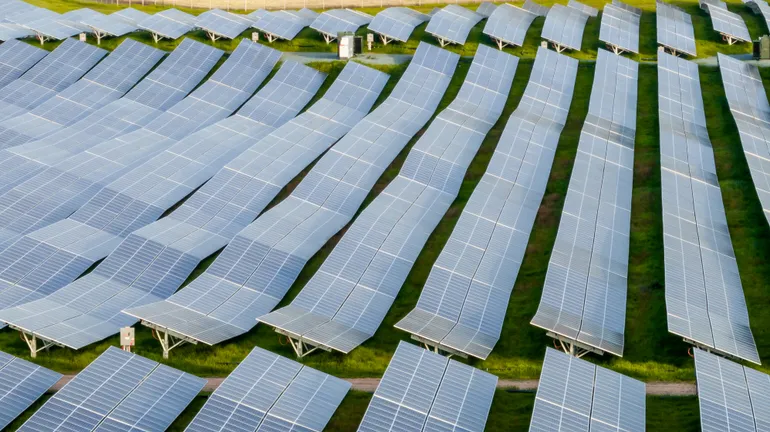
The U.S. Energy Information Administration (EIA) released its Short-Term Energy Outlook on Tuesday, projecting significant growth in utility-scale solar generation this summer. According to the report, solar generation is expected to increase by 19% compared to summer 2025, driven by a 20% year-over-year rise in installed solar capacity. This expansion comes as the nation braces for a hotter-than-average summer, with cooling degree days forecast to rise 3% from June through September.
Solar and Renewable Growth
The EIA anticipates that the additional electricity demand from increased cooling needs—estimated at 3% higher generation, or an extra 1,620 billion kWh—will be met almost entirely by renewable sources. Solar leads the charge with its 19% generation boost, while wind generation is forecast to increase 10% year-over-year, consistent with an 8% rise in average wind capacity. Smaller increases are expected for hydro (5%) and nuclear (1%) generation. These trends underscore the accelerating transition toward cleaner energy sources in the U.S. power mix.

Coal Decline and Natural Gas Dynamics
In contrast, coal generation is projected to decline by 2% this summer. The EIA report highlights a broader downturn in coal production across all producing regions through at least December 2027. Coal consumption fell 11% in the second quarter of 2026 compared to the same period last year, driven primarily by reduced demand from the electric power sector. A warm March and April, combined with lower natural gas prices, have diminished the need for coal-fired generation. However, the EIA cautions that if natural gas prices rise during hotter-than-normal summer months, coal consumption could see a temporary uptick.
Implications for the Energy Sector
The data signals a structural shift in U.S. electricity generation. Solar capacity additions continue at a rapid pace, outpacing other renewables and helping to displace coal. The EIA's outlook reinforces the trend of coal's declining role, even as natural gas remains a competitive alternative. For grid operators and utilities, the increasing share of variable renewables like solar and wind requires careful planning to ensure reliability during peak demand periods. The 3% rise in cooling degree days could stress the grid, but the EIA expects renewables to shoulder the load.

Broader Context and Future Outlook
This summer's projections build on recent milestones, such as New York hitting a 5.6 GW hourly solar generation record and U.S. energy storage installations reaching a Q1 record, up 32% year-over-year. The EIA's report suggests that solar capacity growth will continue to outpace other sources, with coal production declines persisting through at least 2027. As the nation moves toward a cleaner energy future, the summer of 2026 may be remembered as a turning point where renewables, led by solar, met the majority of new demand.
This article is based on reporting by Utility Dive. Read the original article.
Originally published on utilitydive.com




