تلتقي سياسة الكهربة باستراتيجية الطاقة المنزلية
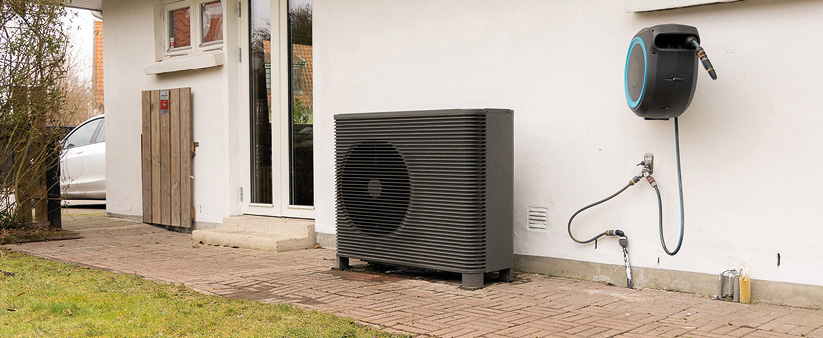
تضع خطة فرنسا الأخيرة للكهرباء مضخات الحرارة في قلب تحول قطاع الإسكان، إذ تستهدف الحكومة تركيب مليون وحدة سنوياً بحلول عام 2030، وتسعى إلى الإنهاء الدائم لغلايات الغاز في المساكن الجديدة. ظاهرياً، هذه سياسة للتدفئة. لكن عملياً، قد تصبح أيضاً رافعة مهمة للطاقة الشمسية السكنية.
والسبب واضح. فمضخات الحرارة تزيد استهلاك الأسر للكهرباء بينما تقلل الاستهلاك المباشر للوقود الأحفوري. ومع تزايد عدد المنازل التي تكهّرب التدفئة، قد ترتفع أيضاً قيمة إنتاج الكهرباء في الموقع، خاصة عندما يقترن ذلك بتوقعات انخفاض تكاليف التشغيل ووجود تمويل داعم.
تصف PV Magazine هذا التطور بأنه قد يكون مفيداً لقطاع الطاقة الشمسية الكهروضوئية السكني في فرنسا، والارتباط منطقي. فالكهربة لا تغيّر تقنية الاستخدام النهائي فحسب، بل تغيّر أيضاً اقتصاديات منظومة الطاقة المنزلية بأكملها.
ما الذي تخطط له فرنسا
الخطة التي كشف عنها الأسبوع الماضي رئيس الوزراء سيباستيان لوكورنو تجعل من مضخات الحرارة أداة مركزية لإزالة الكربون من المباني. وتستهدف الحكومة نشر مليون وحدة سنوياً في المنازل الفرنسية بحلول عام 2030، مع الهدف المعلن المتمثل في خفض تكاليف التدفئة إلى النصف.
ولا يقتصر الاتجاه على المنازل المنفصلة. ففي المباني متعددة الأسر، تتمثل الطموحات في التخلص من التدفئة بالغاز وزيت الوقود بحلول عام 2050. ولدعم هذا الانتشار، خصصت الحكومة مبدئياً 200 مليون يورو.
كما اقترحت نائبة وزير الطاقة، مود بريجون، نموذج تأجير لمضخات الحرارة، إلى جانب دعم أكبر عبر برنامج MaPrimeRenov’ وشهادات توفير الطاقة. ووفقاً للتقرير، قد تصل الزيادة في الإعانات إلى 2,000 يورو، ضمن سقف إجمالي يتراوح بين 12,000 و14,000 يورو، بهدف ضمان عائد على الاستثمار خلال ثلاث سنوات.

لماذا يمكن لمضخات الحرارة أن تساعد الطاقة الشمسية على الأسطح
المنزل الذي يعتمد على التدفئة الكهربائية يكون لديه سبب أكبر للاهتمام بإنتاج الكهرباء، وإدارة الأحمال، والاستهلاك الذاتي. فمضخات الحرارة تنقل جزءاً من فاتورة الطاقة المنزلية من الغاز أو النفط إلى الكهرباء، وهو ما قد يجعل الطاقة الشمسية على الأسطح أكثر جاذبية حتى عندما لا تكون الطاقة الشمسية هي الهدف الأساسي للسياسة.
هذا لا يعني أن كل تركيب لمضخة حرارة يتحول تلقائياً إلى تركيب شمسي. لكن التقنيتين تتوافقان بعدة طرق:
- مضخات الحرارة تزيد الطلب على الكهرباء بطريقة يمكن للطاقة الشمسية على الأسطح أن تعوض جزءاً منها.
- قد تولي المنازل المكهربة اهتماماً أكبر بالترقيات المتكاملة للطاقة بدلاً من استبدال جهاز منفرد فقط.
- الدعم الحكومي الذي يحسن اقتصاديات الكهربة يمكن أن يجعل الاستثمارات التكميلية أسهل تبريراً.
بمعنى آخر، عندما يبدأ مالك المنزل بإعادة التفكير في التدفئة، قد يتوسع الحديث إلى التوليد، والتخزين، وكفاءة الطاقة الأوسع.
الأهمية الاستراتيجية لدمج التقنيات
غالباً ما يتقدم التحول الطاقي في أوروبا عبر حزم من التقنيات بدلاً من تقنية واحدة. فاللوح الشمسي على السطح يقوم بوظيفة، ومضخة الحرارة تقوم بوظيفة أخرى. لكنهما معاً يمكن أن يسهما في إعادة تشكيل الملف الطاقي اليومي للأسرة، خاصة عندما يقترنان بتحسينات العزل، أو أنظمة التحكم الذكية، أو التعرفة المرنة.
تكتسب هذه المقاربة المجمعة أهمية لأن تبني المستهلكين تحكمه كثيراً الحسابات المعيشية، لا أهداف إزالة الكربون المجردة. فإذا اعتقدت الأسر أنها تستطيع خفض فواتير التدفئة، وتقليل التعرض لتقلبات أسعار الوقود الأحفوري، وتحسين استقلالها الطاقي على المدى الطويل، يصبح التبني أسهل.
وتؤكد الخطة الفرنسية بوضوح الهدف الأول من هذه الأهداف الثلاثة. أما الدفع المحتمل للطاقة الشمسية السكنية فيأتي من الحساب المنزلي نفسه.
ما الذي قد يحدد حجم الأثر غير المباشر على الطاقة الشمسية
الدفع نحو الطاقة الشمسية الكهروضوئية على الأسطح ليس مضموناً. فهناك عدة عوامل ستحدد ما إذا كان نشر مضخات الحرارة في فرنسا سيتحول إلى طلب أقوى على الطاقة الشمسية السكنية.
أولها التمويل. فقد يخفف نظام التأجير والدعم الأعلى من عائق تبني مضخات الحرارة، لكن الإقبال على الطاقة الشمسية سيتوقف على ما إذا كانت الأسر قادرة على تحمّل أو تمويل ترقية كبيرة ثانية. ثانياً تصميم البرنامج. فإذا تعامل المثبتون والحوافز والرسائل مع الكهربة باعتبارها حزمة متكاملة للمنزل، فقد تستفيد الطاقة الشمسية أكثر مما لو بقيت السياسة موجهة نحو كل تقنية على حدة. ثالثاً التوقيت. فغالباً ما تفضّل الأسر تنفيذ أعمال التجديد الطاقي الكبرى على مراحل منسقة بدلاً من إزعاج المنزل مراراً.
هناك أيضاً عنصر سلوكي. فبمجرد أن يبدأ مالك المنزل بمراقبة استهلاك الكهرباء عن كثب بسبب وجود مضخة حرارة، قد يتزايد الاهتمام بالتوليد الذاتي بشكل طبيعي.
تحول أوسع بعيداً عن الاحتراق في المباني
إن تركيز الحكومة الفرنسية على التخلص من غلايات الغاز في المساكن الجديدة، ثم الإنهاء التدريجي للتدفئة بالغاز وزيت الوقود في المباني متعددة الأسر بحلول عام 2050، يشير إلى تحول هيكلي بعيداً عن التدفئة القائمة على الاحتراق. وهذا مهم ليس للانبعاثات فقط، بل أيضاً لتصميم السوق.
ومع تحوّل المزيد من الطلب على طاقة المباني إلى الكهرباء، تصبح الشبكة، والتوليد الموزع، والمرونة من جانب المستهلك أكثر مركزية. والطاقة الشمسية السكنية جزء من هذا التحول على مستوى المنظومة. فهي تستفيد من السياسات التي توسع دور الكهرباء في الحياة المنزلية اليومية، حتى عندما يكون عنوان السياسة هو مضخات الحرارة وليس الطاقة الكهروضوئية.
ولهذا تستحق الخطة الفرنسية الانتباه بما يتجاوز سوق التدفئة. فهي تذكير بأن سياسة الكهربة يمكن أن تولد طلباً مجاوراً عبر كامل سلسلة الطاقة.
لماذا تهم الحالة الفرنسية على نطاق أوسع
ليست فرنسا الدولة الوحيدة التي تحاول تسريع التدفئة النظيفة، لكن نهجها يوضح درساً أوسع في سياسة الطاقة. فالدعم لتقنية كهربة واحدة يمكن أن يخلق آثاراً لاحقة على تقنيات أخرى. وغالباً ما تكون أقوى عمليات التحول تلك التي تعزز فيها هذه الآثار بعضها بعضاً.
وبالنسبة إلى صانعي السياسات، يعني ذلك أن الحوافز يجب ألا تُقاس فقط بحجم الإقبال المباشر، بل أيضاً بالأنظمة البيئية التي تشجعها. وبالنسبة إلى المثبتين والمصنعين، يعني ذلك أن استراتيجيات جذب العملاء قد تدور بشكل متزايد حول حزم شاملة للمنازل. أما بالنسبة إلى قطاع الطاقة الشمسية السكنية، فهذا يعني أن فرص النمو قد تأتي من سياسات لم تُصَغ أصلاً خصيصاً للطاقة الشمسية الكهروضوئية.
إذا نجحت فرنسا في التوسع السريع في نشر مضخات الحرارة، فقد تكون الطاقة الشمسية على الأسطح من المستفيدين الهادئين. والخيط المشترك بسيط: ما إن يكتسب المنزل التدفئة الكهربائية حتى تصبح الكهرباء نفسها أكثر قيمة، وهذا قد يغيّر جاذبية إنتاج المزيد منها في المنزل.
استند هذا المقال إلى تقرير من PV Magazine. اقرأ المقال الأصلي.
Originally published on pv-magazine.com