A Major Vote of Confidence for Geothermal
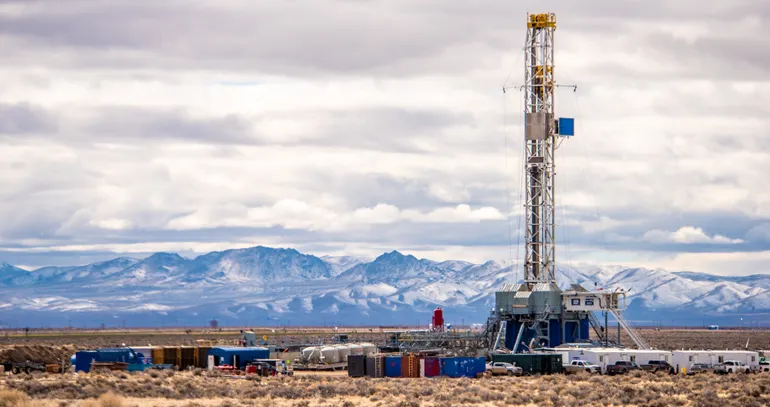
Fervo Energy, the enhanced geothermal startup that has spent years proving that oil-and-gas drilling techniques can unlock geothermal power in previously inaccessible locations, has closed a $421 million debt financing round led by Barclays and HSBC. The deal is one of the largest project finance packages ever assembled for a geothermal energy project, signaling that institutional lenders are ready to back the technology at commercial scale.
What Enhanced Geothermal Systems Do Differently
Traditional geothermal plants work only where nature provides the right conditions: hot rock close to the surface, and naturally occurring water or steam to transfer that heat to turbines. This limits conventional geothermal to a narrow band of geologically active regions—Iceland, parts of California, the Philippines. Enhanced geothermal systems, or EGS, take a different approach. They drill deep into hot dry rock anywhere on Earth, hydraulically fracture the rock to create permeability, inject water, and capture the steam that returns to the surface.
Fervo has adapted horizontal drilling technology from the shale revolution to EGS, achieving cost reductions and operational efficiencies that earlier EGS pioneers struggled to reach. Their pilot project in Utah demonstrated consistent baseload power generation from rock formations that would have been dismissed as unsuitable for geothermal development a decade ago.

The Significance of Debt Financing
The structure of this deal—project finance debt from major international banks rather than venture equity—marks a maturation in Fervo's trajectory. Equity funding carries high costs of capital and expects rapid returns. Project finance debt, secured against the cash flows of a specific generating asset, is cheaper and more patient. Barclays and HSBC lending $421 million to a geothermal project indicates that their credit teams have modeled the power purchase agreements and asset risk profile and concluded the investment meets standard underwriting criteria.
This is how established energy infrastructure gets financed—not through Silicon Valley fundraising rounds but through the same institutional debt markets that finance natural gas plants, offshore wind, and solar farms. Crossing into that financing class is a significant credibility threshold for any novel energy technology.
Why Baseload Matters
Geothermal's defining advantage over solar and wind is that it produces power continuously, regardless of weather or time of day. This baseload characteristic is increasingly valuable as the grid absorbs more variable renewable generation. Grid operators managing high-solar grids face the duck curve problem—excess midday generation and steep evening ramps when the sun sets. Geothermal slices through that problem by providing steady overnight and cloudy-day generation that solar cannot.
Data centers, which consume power continuously and have become a dominant driver of electricity demand growth, are particularly well-suited to geothermal power purchase agreements. A data center operator that signs a long-term geothermal PPA gets decarbonized baseload electricity without the intermittency management headaches that accompany solar and wind contracts.
Cape Station and the Road Ahead
The $421 million will finance development of Fervo's Cape Station project in Utah, which is expected to deliver up to 400 megawatts of enhanced geothermal capacity when fully built out. Phase one, already partially operational, has demonstrated the viability of Fervo's horizontal drilling approach. The debt financing enables acceleration of subsequent phases.
Cape Station's power purchase agreements include contracts with several major utilities and technology companies seeking to meet sustainability commitments. The project's location in Utah, which has favorable geology and existing grid infrastructure from prior energy development, reduces interconnection costs and permitting risk compared to greenfield sites.
Geothermal's Moment
Fervo's financing comes as geothermal receives renewed policy attention. The Department of Energy's Enhanced Geothermal Shot program has set a cost reduction target of 90% by 2035 and allocated significant funding for EGS demonstration projects. The technology's scaling challenge has always been capital intensity: deep drilling is expensive, and early projects must demonstrate economics that justify the risk premium lenders require for novel technology. Fervo's deal suggests that risk premium is contracting as the technology's track record accumulates—a critical inflection point for any energy technology transitioning from demonstration to deployment at scale.
This article is based on reporting by Utility Dive. Read the original article.
Originally published on utilitydive.com