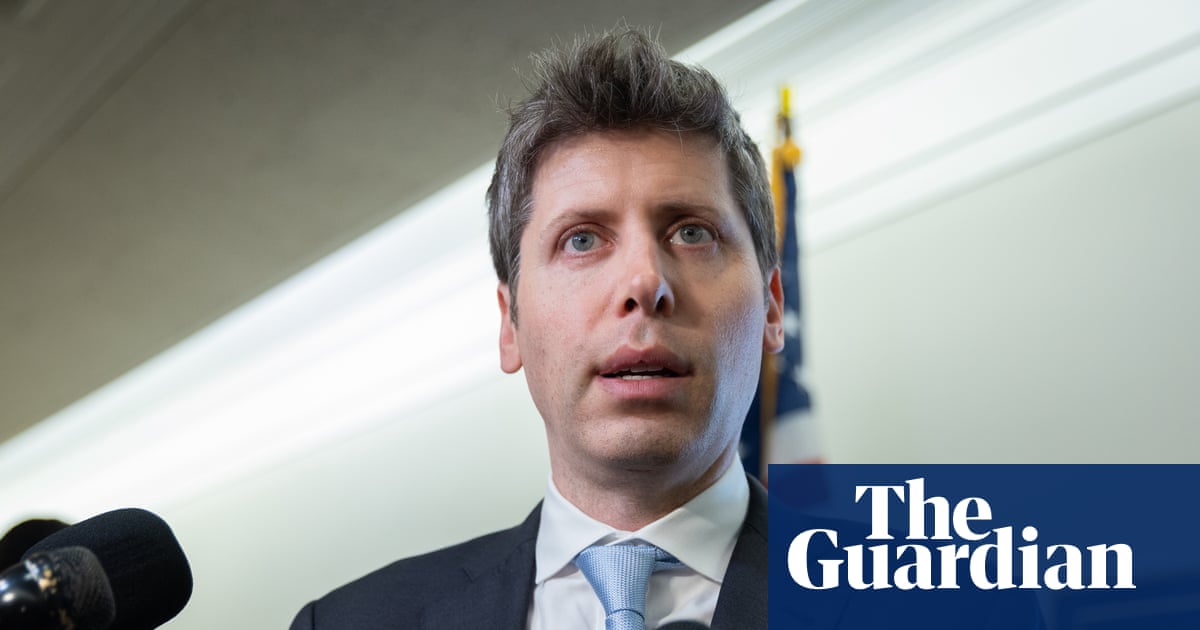
OpenAI Takes Step Toward Public Listing
OpenAI, the creator of ChatGPT, has confidentially filed for an initial public offering (IPO) on the US stock market, according to a company blog post published on Monday. The artificial intelligence giant's debut on Wall Street is expected to be one of the most highly valued listings in market history, with a valuation exceeding $850 billion.
The company submitted a confidential S-1 form to the US Securities and Exchange Commission (SEC), which is a prospectus typically used for IPOs. In its announcement, OpenAI acknowledged that the filing might leak and chose to proactively disclose it. The company stated that it has not yet decided on the timing of the IPO, noting that it may take a while because there are certain initiatives that are easier to pursue as a private company. However, the filing gives OpenAI the option to go public sooner if that proves to be the best course of action.
What the Confidential Filing Means
A confidential S-1 filing allows the SEC to review the company's financial disclosures privately before they are made public. This process gives regulators time to examine the documents and engage in discussions with the company. Once the review is complete, the filing becomes public, and investors can access the financial details. This approach is common for companies seeking to go public, as it provides flexibility and reduces market speculation during the review period.
OpenAI's move follows a similar announcement from its chief rival, Anthropic, which also filed confidentially for an IPO last week. Anthropic is the maker of the Claude chatbot, a direct competitor to ChatGPT. The simultaneous filings from two leading AI companies underscore the growing maturity and financial ambitions of the generative AI sector.
From Non-Profit to For-Profit Powerhouse
OpenAI's journey to an IPO marks a dramatic transformation from its origins as a non-profit research lab founded in 2015. Led by CEO Sam Altman, the organization initially focused on developing artificial intelligence for the benefit of humanity. After years of beta testing generative AI technologies, OpenAI publicly released ChatGPT in 2022 and subsequently converted to a for-profit structure.
The launch of ChatGPT was a watershed moment. The chatbot rapidly attracted hundreds of millions of users, fundamentally altering how people interact with AI in areas ranging from entertainment and healthcare to education and employment. Its success spurred a wave of similar products from other tech companies, igniting a global race in generative AI.
Challenges Beyond ChatGPT
Despite the monumental success of ChatGPT, OpenAI has struggled to replicate that level of impact with subsequent products. The company has explored various avenues to expand its offerings, including plans to transform ChatGPT into a comprehensive app with diverse functions beyond text, image, and code generation. However, it has yet to find another blockbuster hit.
In early 2025, OpenAI acquired iPhone designer Jony Ive's startup for billions in stock, signaling an ambition to move into hardware devices. The company also launched a video generation app called Sora in late 2024 and entered into a major partnership with an undisclosed entity. These efforts reflect OpenAI's drive to diversify its revenue streams and reduce reliance on ChatGPT.

Market Implications and Future Outlook
OpenAI's IPO is expected to be one of the most highly anticipated listings in recent memory, given the company's central role in the AI revolution. The valuation of over $850 billion would place it among the most valuable publicly traded companies, rivaling established tech giants. The IPO will provide OpenAI with access to public capital markets, enabling further investment in research, development, and expansion.
However, the company faces significant challenges, including regulatory scrutiny, competition from rivals like Anthropic, and the need to demonstrate sustained growth beyond its flagship product. The confidential filing gives OpenAI time to address these issues while keeping its options open. As the AI industry continues to evolve, OpenAI's transition to a public company will be closely watched by investors, policymakers, and technologists alike.
This article is based on reporting by The Guardian. Read the original article.
Originally published on theguardian.com