تحاول Carbon Robotics نقل منطق النماذج الأساسية إلى معدات المزارع
تقول Carbon Robotics إنها استبدلت مجموعة من نماذج الرؤية الخاصة بكل محصول بنظام واحد صُمم لفهم بنية النبات عبر الأنواع والمناطق وظروف الحقول. ورسالة الشركة بسيطة: بدلاً من إعادة تدريب نموذج ذكاء اصطناعي منفصل كلما غيّر المزارع المحصول أو انتقل إلى منطقة جغرافية جديدة أو أراد استهداف نباتات مختلفة، يمكن للمزارعين تخصيص نموذج واحد مُدرَّب مسبقًا مباشرة في الحقل.
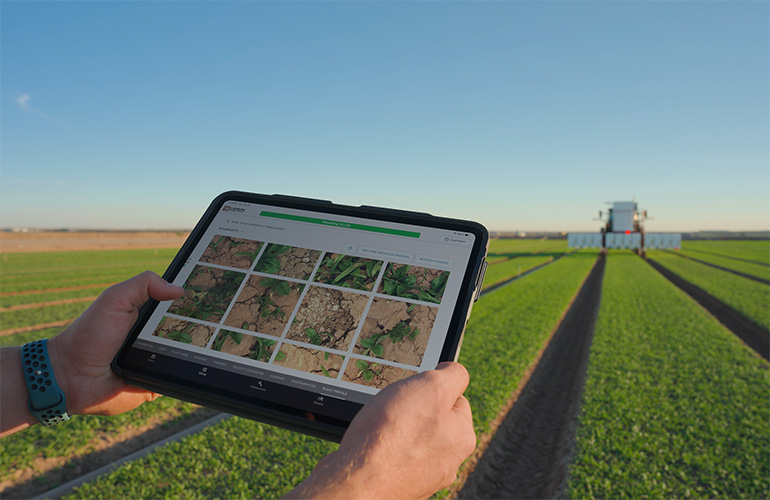
وبحسب Carbon Robotics، يقوم النظام الجديد على ما تسميه “نموذج نباتات كبير”. وتقول الشركة إن النموذج درِّب على ملايين الصور للنباتات الصغيرة جُمعت عالميًا، ثم يمكن تخصيصه في الموقع باستخدام مجموعة صغيرة من الأمثلة يختارها المزارع. ومن خلال تطبيق iPad، يراجع المزارعون صورًا مصغرة من حقولهم ويصنفون عددًا محدودًا من النباتات على أنها محصول أو عشب ضار. ثم يضبط النظام سلوكه فورًا، من دون الحاجة إلى تنزيل برمجي جديد أو دورة إعادة تدريب تقليدية.
إذا نجح هذا النهج كما هو موصوف، فإنه يعالج واحدة من أكثر المشكلات عنادًا في الرؤية الحاسوبية الزراعية: فحالات الحافة تتضاعف بسرعة في الحقول الحقيقية. فقد يكون النبات نفسه مرغوبًا في صف محصول ما وغير مرغوب فيه في جزء آخر من المزرعة نفسها. والنموذج المضبوط بشكل ضيق على محصول واحد ومنطقة واحدة قد يواجه صعوبة عندما تتغير الظروف. وتقول Carbon إن الجمع بين تمثيل أوسع مُدرَّب مسبقًا والتخصيص الخفيف داخل الحقل يمكن أن يزيل كثيرًا من هذا الاحتكاك.
من نماذج خاصة بالمحاصيل إلى نظام نباتي عام واحد
كانت الشركة تعتمد سابقًا على عدة نماذج رؤية بالذكاء الاصطناعي خاصة بكل محصول. وهذا نمط مألوف في التعلم الآلي الصناعي، حيث يتحسن الأداء غالبًا عبر مواءمة النماذج لمهام ضيقة. لكن التخصص يأتي بتكلفة. فكل تكوين جديد للحقل أو مزيج محاصيل أو منطقة جغرافية قد يطلق جولة أخرى من صيانة النموذج.
تدفع Carbon Robotics الآن باتجاه البنية المعاكسة. ففي تصور الشركة، يمكن لنموذج أساسي مُدرَّب عالميًا أن يعمل كطبقة قاعدة، بينما يحدد المزارع عمليًا ما يجب الحفاظ عليه وما يجب إزالته. وهذا يحول التخصيص إلى سير عمل للمستخدم، لا إلى خط معالجة تعلم آلي.
يستخدم LaserWeeder، منصة إزالة الأعشاب الذاتية من Carbon، الليزر للقضاء على النباتات غير المرغوب فيها بدلاً من المبيدات. وتقول الشركة إن النموذج الجديد يتيح للنظام نفسه الانتقال من حقل جزر في أريزونا إلى خس أو أعشاب في مزرعة أخرى بعد دقائق فقط من الإعداد. وهذا النوع من إعادة الضبط السريع هو جوهر الإعلان. فهو يشير إلى أن الشركة أقل تركيزًا على مفهوم ثابت لاكتشاف الأعشاب وأكثر تركيزًا على نظام مقارنة يمكنه الاستجابة للسياق.
كيف تقول الشركة إن النموذج يتصرف بشكل مختلف
قال كبير مسؤولي التكنولوجيا أليكسي سيرغييف لـ The Robot Report إن الفرق التقني يكمن في كيفية تقييم النموذج للنباتات. فبدلاً من إنتاج درجة ثقة بسيطة بأن النبات محصول أو عشب ضار، قال إن النظام يقارن النباتات المرصودة بأمثلة سبق للمزارع تحديدها. وهذا يعني أن المخرجات تقاد بالتشابه مع المراجع التي يقدمها المستخدم، لا بحد فاصل جامد لفئات مُعنونة مسبقًا.
وتكتسب هذه التفرقة أهمية لأن الفئات الزراعية ليست عالمية. فالنبات الذي لا يُرغب فيه في حقل أو منطقة معينة قد يكون مفيدًا في مكان آخر. وصُمم نظام Carbon لامتصاص هذا الالتباس من خلال السماح للمشغل بتحديد مجموعة الهدف وقت النشر. ووصف سيرغييف هذا الشرط بأنه تكيّف فوري: يجب على الأداة قبول الأمثلة والعمل على الفور بدلًا من انتظار عملية إعادة تدريب أطول.
وتقول الشركة إن الذكاء الاصطناعي للنباتات الأساسي درِّب على 150 مليون نبات مُصنَّف. وعمليًا، يُراد لهذا الحجم أن يخلق تمثيلاً عامًا قويًا للبنية المبكرة للنبات. ثم تعمل التسميات داخل الحقل كتوجيهات للمهمة فوق تلك القاعدة. وهذا مشابه من حيث المفهوم لكيفية تكييف النماذج الأساسية في مجالات أخرى مع المهام المحلية، رغم أن المخرجات هنا يجب أن تعمل بسرعة الآلة في ظروف المزارع الحقيقية.
لماذا يهم هذا للروبوتات الزراعية
غالبًا ما تقدمت الأتمتة الزراعية على نحو غير متساوٍ لأن المزارع الحقيقية بيئات صعبة للاستقلالية العامة. تتفاوت ظروف التربة، وتتغير الإضاءة، وتختلف ترتيبات المحاصيل من مزارع إلى أخرى، كما أن ضغط الأعشاب الضارة ليس ثابتًا من حقل لآخر. والأنظمة التي تؤدي جيدًا في العروض الخاضعة للرقابة قد تصبح مكلفة في التوسع عندما يتطلب كل استخدام جديد جولة هندسية أخرى.
تحاول Carbon Robotics خفض تكلفة التوسع هذه. فمن خلال نقل التخصيص أقرب إلى المشغل وأبعد عن فريق تطوير النموذج، قد تتمكن من توسيع نطاق المزارع التي يمكن نشر جهازها فيها بسرعة. وسيكون ذلك مهمًا تجاريًا لأن تبني المعدات الزراعية لا يعتمد فقط على القدرة التقنية الخام، بل أيضًا على مقدار الإعداد والضبط ووقت التوقف الذي تفرضه الأداة على المزارعين.
ويعكس الإعلان أيضًا اتجاهًا أوسع في الروبوتات. فالمزيد من الشركات تستعير أفكار النماذج الأساسية وتطبقها على الأنظمة المادية، حيث لا تقل المرونة أهمية عن الدقة. وفي الزراعة، يكون هذا الاتجاه جذابًا بشكل خاص لأن كثيرًا من المهام تبدو متشابهة على مستوى عالٍ، لكنها تختلف في التفاصيل المهمة تشغيليًا.
وتشير شراكة Carbon مع iMerit إلى جزء أساسي آخر من هذه الاستراتيجية: البيانات. فادعاءات النماذج الأساسية تعتمد على بيانات موسومة واسعة وعالية الجودة، ومن الصعب بناء مجموعات البيانات الزراعية لأنها يجب أن تلتقط التباين البيولوجي عبر المحاصيل ومراحل النمو والمناطق الجغرافية وظروف التصوير. ويشير تركيز الشركة على بيانات ما قبل التدريب إلى أنها ترى في حجم مجموعة البيانات ميزة تنافسية، لا مجرد متطلب تدريب.
الاختبار الحقيقي هو ما إذا كان “الفوري” سيصبح أمرًا اعتياديًا
أهم ما في الإعلان ليس أن النموذج كبير. بل إن المزارعين يمكنهم تكييفه في دقائق وأن الجهاز يستجيب فورًا. وإذا ثبتت موثوقية ذلك في الإنتاج، فقد يغير كيفية تهيئة الروبوتات الزراعية وبيعها. فالنظام الذي لم يعد يحتاج إلى إعادة بناء النموذج مرارًا لكل محصول يصبح أسهل في النشر وأسهل في التوسع وأسهل في الانسجام مع إيقاع المزرعة العاملة.
لا تزال هناك فجوة عملية بين المفهوم التقني القوي والاتساق على نطاق الحقل، ولا توفر المادة المصدر معايير أداء مستقلة. لكنها تُظهر الاتجاه الذي تسير فيه Carbon Robotics: بعيدًا عن النماذج الضيقة المرتبطة بمحصول واحد، ونحو طبقة أكثر عمومية للتعرف على النباتات يمكن للمزارعين أنفسهم توجيهها.
وهذا تحول مهم للذكاء الاصطناعي الزراعي. فبدلاً من مطالبة المزارعين بالانتظار حتى يلحق البرنامج بالحقل، تعد الشركة ببرنامج يمكنه التكيف مع وتيرة الحقل نفسه.
تعتمد هذه المقالة على تغطية من The Robot Report. اقرأ المقال الأصلي.
Originally published on therobotreport.com