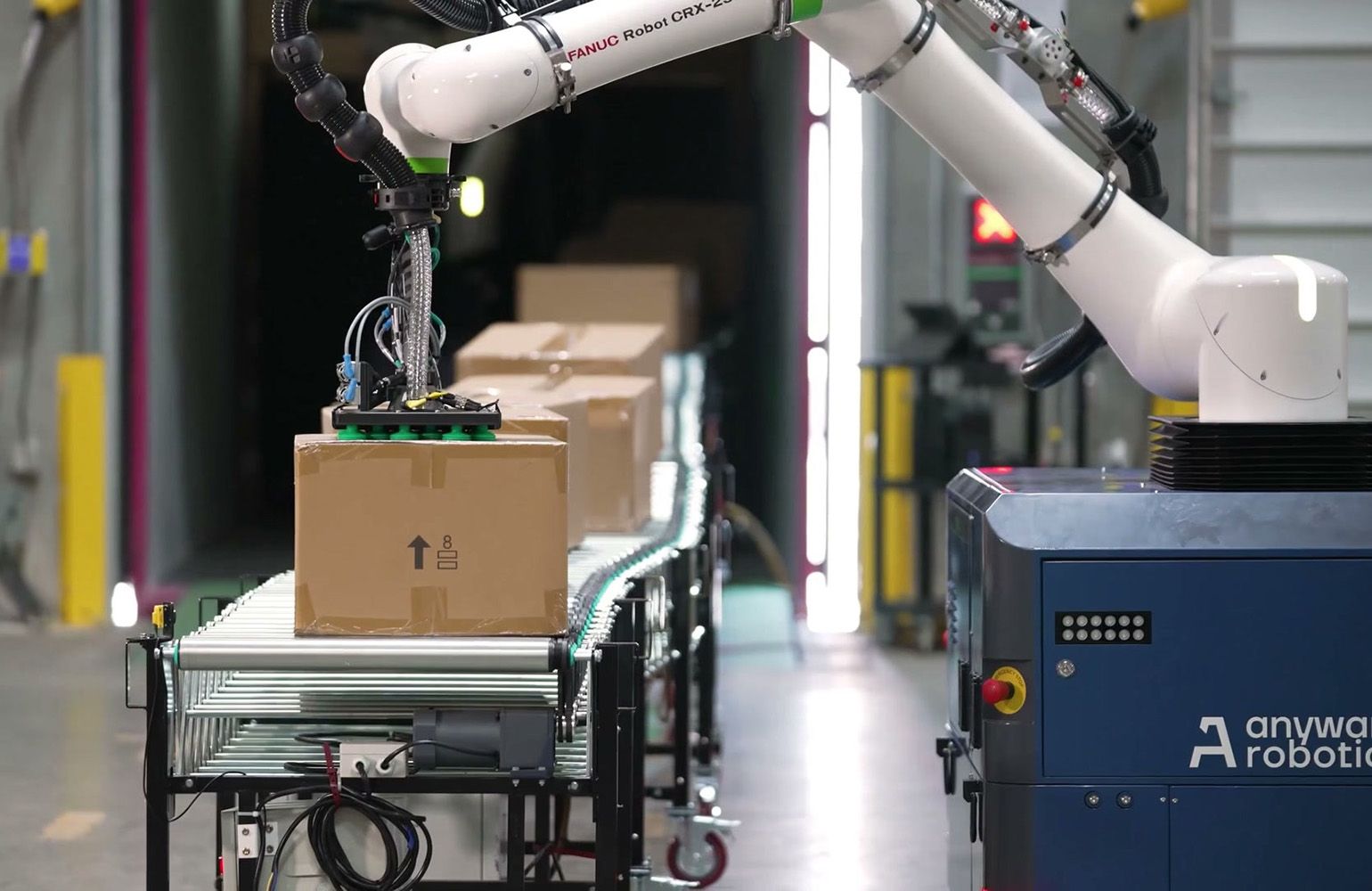
Robotics researchers are pushing past reactive AI
One of the core weaknesses in today’s robotics systems is that many of them learn a direct mapping from what a camera sees to the next movement a machine should make. That can produce useful behavior, but it leaves a gap in understanding. The robot may learn what action tends to follow a given image without learning how its own action changes the world.
A new review paper highlighted in the supplied reporting argues that World Action Models, or WAMs, are designed to close that gap. Instead of only pairing observations with actions, these models also predict how the environment is likely to change after an action is taken. In effect, they give robots a way to simulate short-term consequences before moving.
Why that matters
The practical promise is significant. If a robot can model the outcome of its movement before execution, it should be better positioned to generalize to unfamiliar objects and settings. That is a major challenge in robotics, where systems often perform well in narrow training conditions and then degrade when the environment changes.
The supplied report also points to another advantage: training data. Traditional robotics systems often depend on datasets where robot actions are labeled, which is expensive and slow to produce. World Action Models could learn from unlabeled everyday video, including first-person footage, because they are not only learning commands. They are learning the relationship between actions and the changing visual world.
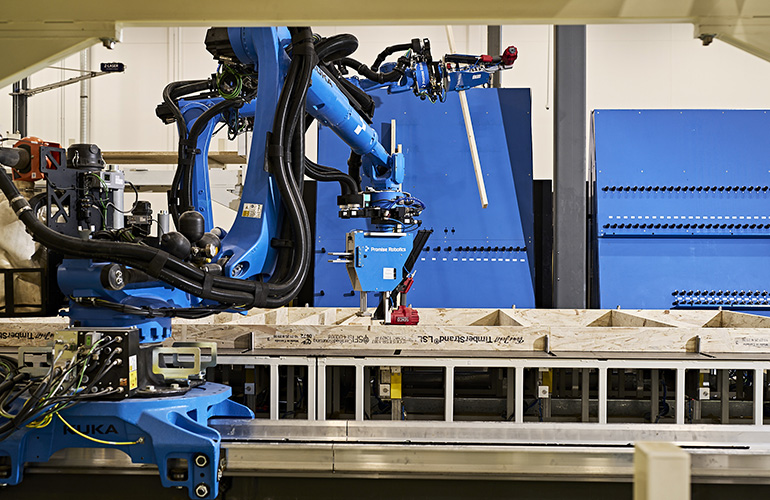
Two main design branches are emerging
According to the review, roughly one hundred papers fit into this model class, and the authors group them into two broad architectural families. One line first generates a predicted future video and then derives control commands from that forecast. The other processes visual inputs and actions jointly in parallel.
That division matters because it shows the field is maturing from isolated experiments into a recognizable research area with internal structure. The survey traces these branches as they have expanded since 2024, giving robotics researchers a shared framework for comparing systems that try to combine prediction and control.
Beyond pure world models
The supplied article notes an important distinction. A pure video generator can produce plausible future frames, but that alone does not make it useful for control. World Action Models are meant to satisfy both requirements at once: predicting the next state of the environment while tying that prediction directly to action generation.
That makes WAMs especially relevant as the robotics field tries to move from impressive demos to more reliable embodied systems. A robot that can imagine a near future and connect it to motor decisions is closer to acting with foresight rather than just reflex.

A step toward more adaptable robots
World Action Models are still a research framework, not a finished product category. But the survey described in the supplied reporting suggests they may become an important organizing idea for the next wave of robotics AI. If the approach works as intended, robots could become less brittle, less dependent on highly curated labels, and more capable of handling unfamiliar environments by reasoning through likely consequences before acting.
This article is based on reporting by The Decoder. Read the original article.
Originally published on the-decoder.com