A Real Business in a Hyped Category
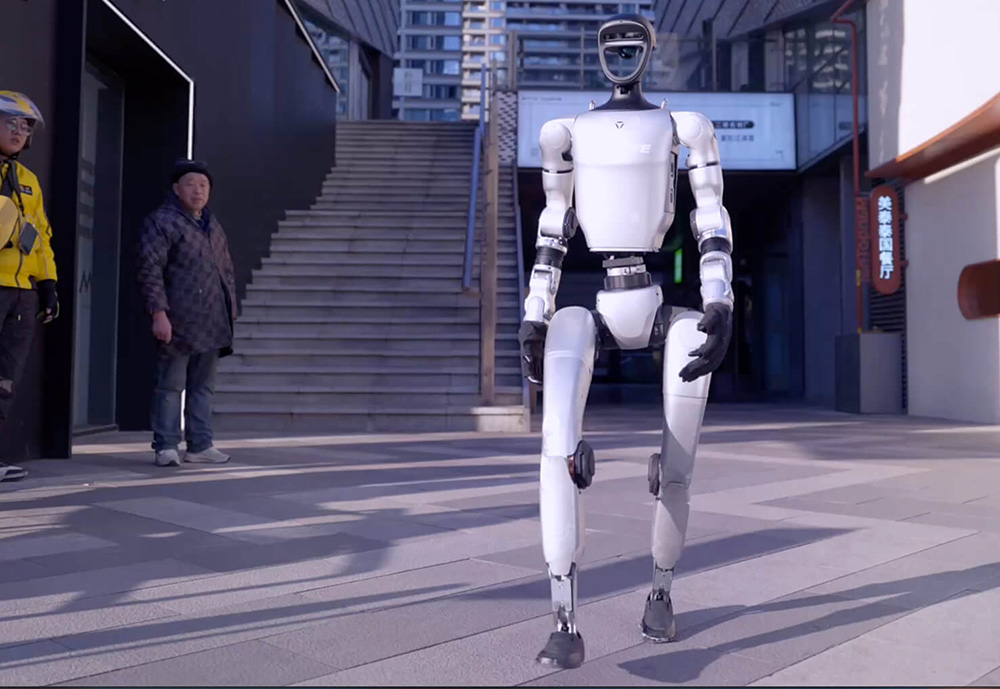
Few technology categories have attracted more investor enthusiasm and more skeptical scrutiny simultaneously than humanoid robots. The vision — autonomous, dexterous machines that can perform human labor in unstructured environments — has been compelling enough to attract billions in venture funding. But the gap between demonstration videos and industrial-scale deployment has remained stubbornly wide. Unitree Robotics, a Chinese robotics company whose application to list on Shanghai's STAR Market was accepted on March 20, 2026, offers the clearest financial picture yet of where the humanoid robot industry actually stands.
The headline numbers are genuinely impressive. Unitree generated approximately $248 million in revenue in 2025. Operating income grew 335 percent year-over-year. Net profit surged 674 percent. The company shipped over 5,500 humanoid units in 2025, capturing 32.4 percent of the global humanoid market. A 95.95 percent sell-through rate — 3,701 units produced and 3,551 sold in just the first three quarters — suggests real demand rather than inventory accumulation.
This is not a company burning cash on a speculative future. Unitree is profitable, growing rapidly, and seeking to raise $610 million in an IPO that values it on demonstrated business fundamentals. That is a meaningful signal in an industry that has often traded on potential rather than performance.
Where the Revenue Actually Comes From
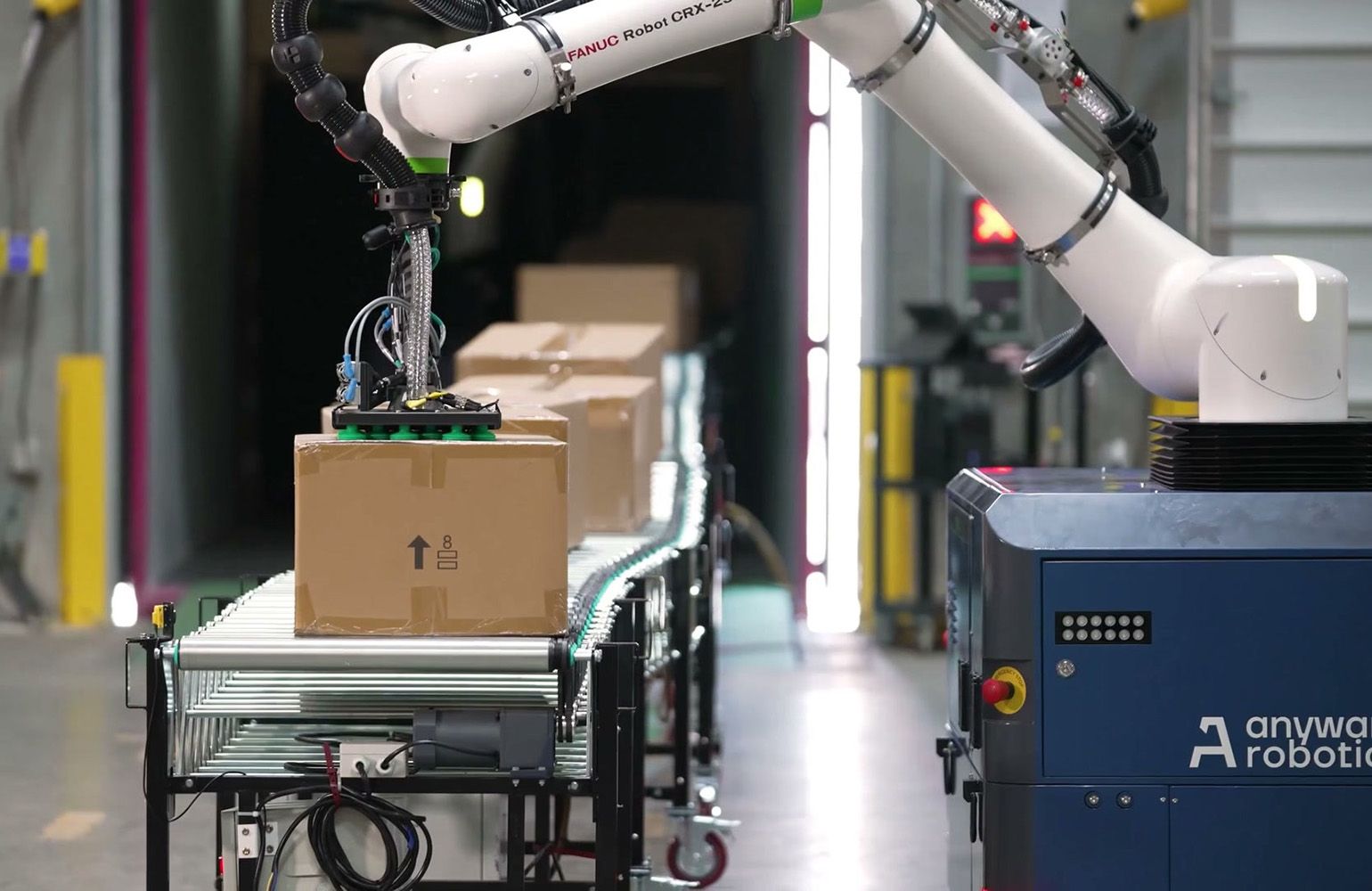
The less comfortable finding in Unitree's prospectus is where humanoid revenue originates. Approximately 50 to 70 percent of the company's enterprise humanoid revenue comes from reception and tour-guide applications — robots stationed in lobbies, showrooms, and tourist attractions to greet visitors, provide information, and create novelty value. The remainder comes from intelligent manufacturing and inspection use cases.
This revenue profile reveals a gap between the industrial vision for humanoid robots and their current commercial reality. The most compelling use case — a robot that can perform complex assembly tasks, handle variable objects, navigate cluttered factory floors, and replace human workers in hazardous or labor-intensive environments — remains technically challenging enough that it is not yet generating significant commercial revenue. The robots earning most of the money today are doing jobs that require limited physical capability, controlled environments, and tolerance for occasionally confused interactions.
This is not unique to Unitree. Across the humanoid robot sector, the applications generating revenue today tend to cluster in controlled environments with low physical complexity: warehouses with standardized containers, lobbies with predictable layouts, inspection tasks with defined routes. The open-world dexterity that makes humanoids compelling in theory remains elusive in practice.
The Hardware Business Advantage
What distinguishes Unitree from many of its Western humanoid counterparts is that it is, at its core, a hardware company that has been shipping real products at scale for years before the humanoid push began. Unitree's quadruped robots — four-legged platforms like the Go1 and Go2 that became popular in research labs and developer communities worldwide — established the company's manufacturing competence and cost discipline long before the H1 and G1 humanoid models attracted global attention.
This manufacturing foundation matters enormously. One of the most consistent criticisms of humanoid robot startups — particularly in the US, where companies like Figure, Physical Intelligence, and Agility Robotics have raised large rounds on impressive demos — is that demonstration capability and production-scale manufacturing are entirely different problems. Building one robot that walks compellingly in a controlled studio is not the same as building 5,000 robots reliably enough to achieve a 96 percent sell-through rate.
Unitree's IPO filing effectively answers the manufacturing credibility question. The company has not just built impressive prototypes; it has built thousands of them, sold them to customers, and done so profitably. That track record gives its humanoid ambitions a different credibility basis than most of its Western competitors can currently claim.
What the IPO Tests
The Unitree STAR Market listing will test a specific hypothesis: whether public equity markets will price a humanoid robot company primarily on its current business fundamentals or on speculation about the future industrial opportunity. The two valuation approaches could produce very different outcomes.
Priced on earnings and revenue growth, Unitree looks like a well-run hardware company in a growth category — valuable, but not at the multiples that have characterized recent US AI and robotics venture valuations. Priced on the potential future in which humanoid robots handle a meaningful fraction of global industrial labor, the valuation case is almost unlimited in ambition and almost impossible to verify with current data.
The STAR Market, China's technology stock exchange, has historically shown appetite for high-multiple growth investments in strategic technology categories. The Chinese government has explicitly identified robotics as a priority industrial sector, which creates both policy tailwinds and investor sentiment support. How Chinese public market investors price Unitree will be a data point that Western investors and the startups they have backed are watching carefully.

The Road to Real Industrial Deployment
For the humanoid thesis to validate at scale, the industry needs to demonstrate deployment in genuinely demanding industrial environments: automotive assembly lines, semiconductor fabs, fulfillment centers with variable SKU mixes, construction sites. These applications require dexterity, reliability, and safety characteristics that current generation platforms, including Unitree's, are not yet consistently delivering in production conditions.
The timeline for that transition remains genuinely uncertain. Optimists point to the rapid pace of capability improvement in foundation models for robotics and the compounding learning curves that come from large deployed fleets generating training data. Skeptics note that physical world complexity has resisted software-driven solutions repeatedly, and that the last mile of industrial robot deployment may be further away than the demos suggest.
Unitree's IPO doesn't resolve this debate. What it does is establish a credible financial baseline: a company with $248 million in revenue, strong profit growth, and a proven ability to manufacture and sell thousands of robots annually. That's the foundation on which the industrial humanoid future, if it arrives, will be built.
This article is based on reporting by The Robot Report. Read the original article.
Originally published on therobotreport.com