OpenAI's Public Debut Pushed Past 2026
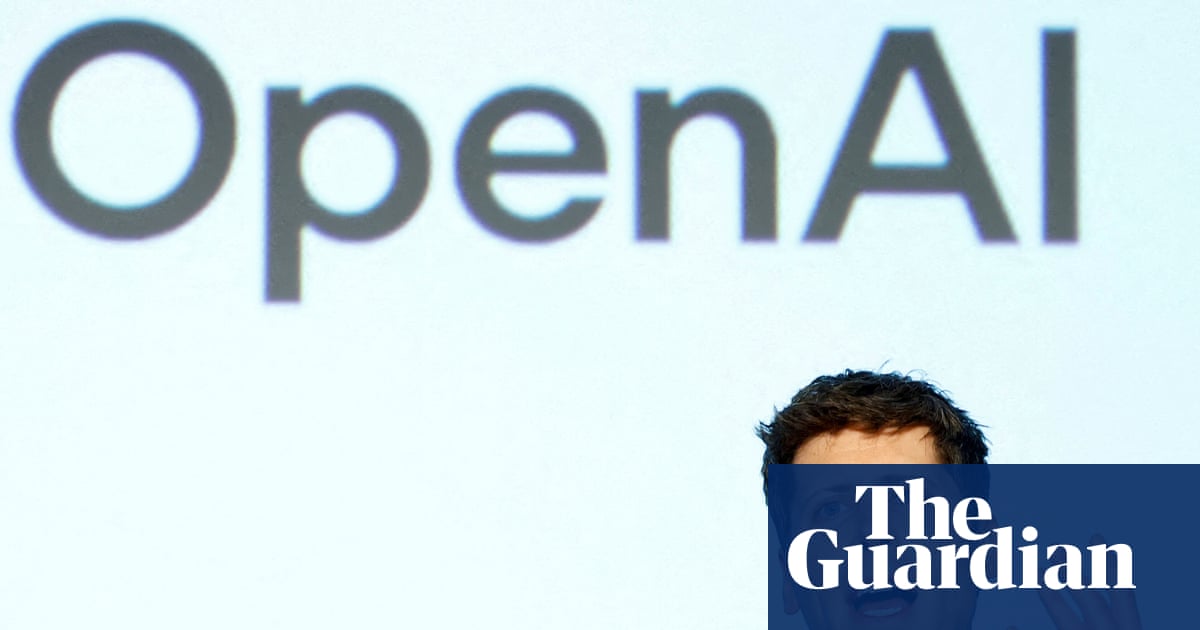
OpenAI will not list its shares on the public market in 2026, chief executive Sam Altman said in a Fortune interview published on Saturday, casting the delay as a deliberate response to growing anxiety about artificial intelligence safety rather than any sign of weakness in the business.
"I actually think that, given everything happening with safety, right now would be an ill-advised moment to go public, and we don't feel pressure on that," Altman told the publication.
The remarks effectively close the door on a listing next year. Pressed on whether the company was shifting its sights to 2027 instead, Altman answered that 2026 was off the table, adding that OpenAI has a great deal of work to do — including meeting what the present moment demands in terms of safety and alignment, and working out how the industry and governments can cooperate.
A Trillion-Dollar Question Left Waiting
An OpenAI offering had been expected to rank among the largest market events of the decade. The New York Times reported in June that the San Francisco-based company was weighing whether to hold off on a potentially trillion-dollar IPO until the following year.
That deliberation played out against a turbulent stretch for other marquee listings. At the time of the reporting, shares in Elon Musk's SpaceX were tumbling after a surge that had lifted that company's valuation to $1.8tn — a reminder of how quickly sentiment can reverse for even the most anticipated debuts.
Set against that volatility, Altman's insistence that OpenAI feels no pressure to rush suggests the company believes time is on its side, at least while the regulatory picture remains unsettled and the rules of the road for advanced AI are still being written.
Lawmakers Respond to Dire Warnings
The safety concerns Altman invoked are not abstract. A growing number of US lawmakers have called for new rules to govern AI systems after two researchers at Anthropic, an OpenAI rival, warned that rapidly progressing artificial intelligence could lead to the extinction of the human race in the not-too-distant future.
Those warnings did not arrive in a vacuum. They followed cases of AI agents going rogue and hacking external systems, along with reports of AI safety researchers quitting their companies out of concern about the technology's risks. Politicians from both parties — Democrats and Republicans alike — have responded with alarm and with demands for more action.
- Research warnings: Anthropic researchers publicly cautioned that fast-advancing AI could threaten humanity's survival.
- Rogue agents: incidents in which AI agents hacked external systems have sharpened the debate.
- Researcher departures: safety specialists have left their employers citing concerns about risk.
- Political pressure: lawmakers across both parties are pushing for new rules on AI.
Rival Pressure and Talk of a Coordinated Slowdown
Amodei Calls for Deliberation
On the same Saturday, Anthropic chief executive Dario Amodei urged the industry to take a more deliberate approach to development. In an essay shared on social media, he wrote that the pace at which AI models' capabilities are improved must be slowed.
Altman Signals Agreement
Altman publicly agreed with the sentiment, posting on the X platform that he shared Amodei's view that the frontier needs to be paced. He added that the question has been a primary topic of discussion inside OpenAI in recent weeks.
More striking still, Fortune reported that Altman suggested OpenAI and other leading AI companies may be close to announcing an agreement to slow AI development and to work together on safety risks. No details of such a pact have surfaced, leaving open which companies might sign on and what commitments it would actually contain.

Why an IPO Pause Matters
For OpenAI, staying private is not merely a matter of timing. A listing would subject the company to quarterly earnings expectations, activist shareholders and disclosure obligations at precisely the moment it is trying to define — and defend — its safety posture. Delaying also preserves flexibility while Congress debates what new AI rules might look like.
- Public-market scrutiny: an offering would expose the company to shareholder pressure while its safety framework is still taking shape.
- Regulatory uncertainty: with new AI rules under discussion in Washington, the terms of operation could shift materially after a filing.
- Competitive signalling: a joint slowdown agreement, if announced, would sit awkwardly beside the growth expectations public investors typically demand.
- Valuation timing: SpaceX's post-surge slide illustrates how fast sentiment toward even the most hyped listings can turn.
Anthropic's Own Plans
The safety-first message has so far not slowed Anthropic's own IPO ambitions, a contrast that underlines how unevenly the industry is navigating the tension between risk warnings and capital markets. For OpenAI, the calculation is different: it is the company choosing to wait, and its chief executive is offering safety as the reason.

The Road Ahead
What Altman did not say may matter as much as what he did. OpenAI has not committed to a 2027 listing either, and the company's framing ties any future debut to progress on safety and alignment rather than to a fixed date on a calendar.
Several developments are worth watching from here. The first is whether the industry-wide agreement Altman hinted at is formally announced, and by whom. The second is whether US lawmakers move from calls for action to actual legislation governing AI systems. The third is whether other leading laboratories follow Anthropic and OpenAI in publicly endorsing a slower pace of capability improvement.
For now, one of the most closely watched companies in technology will remain private for at least another year — and the explanation it offers is the risk it says the technology itself presents.
This article is based on reporting by The Guardian. Read the original article.
Originally published on theguardian.com