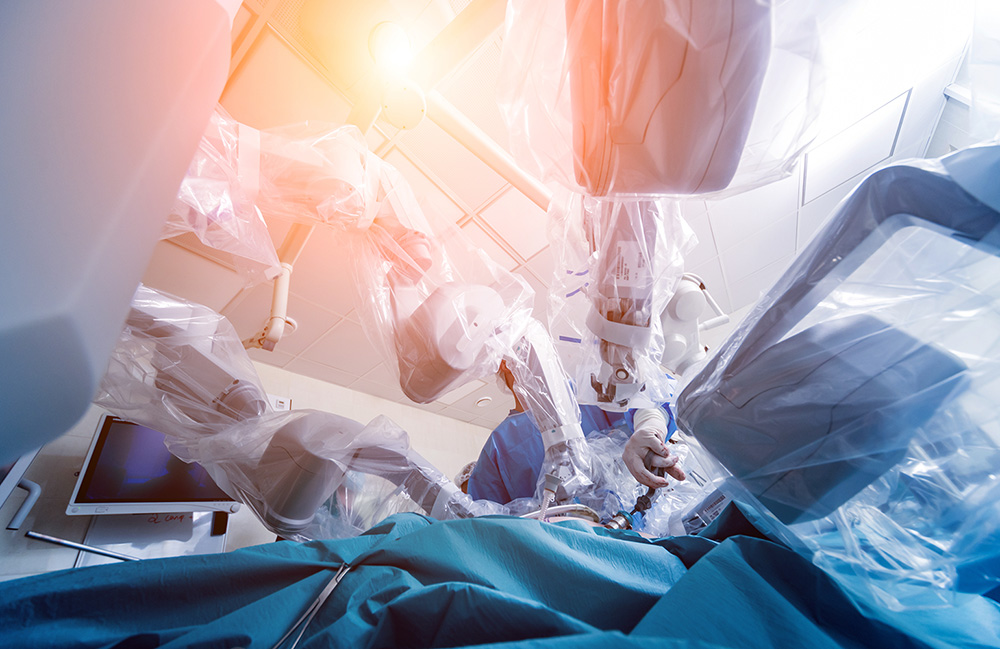
J&J advances a long-delayed robotic surgery platform
Johnson & Johnson has reported results from the first clinical study of its investigational OTTAVA robotic surgical system, marking a notable milestone for a platform that has spent years in development. According to the supplied source text, the prospective multicenter study evaluated the system in gastric-bypass procedures and met its primary safety and performance endpoints through 30 days after surgery in a 30-patient cohort.
The company says investigators completed all procedures robotically on OTTAVA without conversion to a non-robotic approach. That is a significant operational data point for any new surgical robot. In early clinical use, conversions can reveal where a system struggles with workflow, visualization, instrument reach, or reliability. J&J is presenting the result as evidence that OTTAVA can handle the procedures studied as an end-to-end robotic platform.
What the study showed
The trial focused on Roux-en-Y gastric bypass procedures. J&J says average weight loss 30 days after surgery was 30 pounds in the study population, while lead investigator Erik Wilson described the findings as encouraging evidence on safety and performance. The company presented the results at the 2026 annual meeting of the American Society for Metabolic and Bariatric Surgery.
It is important to separate procedure outcomes from platform validation. The weight-loss number is clinically relevant, but the bigger commercial signal is that the robot completed the cases and reached the study’s prespecified primary endpoints. For J&J, that is what turns OTTAVA from a long-running development effort into a more concrete regulatory and market contender.
Regulatory step comes next
J&J says it has used the clinical data, together with preclinical testing, to support an application to the U.S. Food and Drug Administration for De Novo classification. The company is targeting an indication that would cover multiple upper-abdomen general surgery procedures, including gastric bypass, gastric sleeve, small bowel resection, and hiatal hernia repair.
That broader ambition matters. Rather than pursuing a narrow, single-procedure identity, J&J is positioning OTTAVA as a multi-specialty soft-tissue system. Success in one initial use case is intended to open the door to a wider general-surgery role.
A design built around the operating room
One of the most distinctive claims in the source text concerns the system’s architecture. OTTAVA incorporates four robotic arms integrated into a standard-size surgical table, eliminating the need for a separate boom or carts. J&J argues that this compact design lets the system fit into operating rooms that have not previously been used for robotic surgery.
That point is commercially important because operating-room footprint has long been a practical constraint in robotic adoption. Hospitals may want robotic capability but lack the space or room turnover flexibility required by larger systems. In this study, J&J says OTTAVA was installed and used across six hospitals in operating rooms ranging from about 243 to 694 square feet, and that five of those six sites performed procedures in rooms not previously used for robotic surgery.
Why the milestone matters now
OTTAVA’s path has not been quick. The source text notes that development was delayed by the COVID-19 pandemic, and that the FDA granted the system an investigational device exemption in late 2024. The robot completed its first cases about a year ago. Against that backdrop, first clinical study data are more than a routine update. They are a sign that J&J’s program is moving from technical promise into evidence gathering that can support a market entry case.
The competitive context also matters. Robotic surgery remains one of the most strategically important segments in medtech, and established players have strong positions. Any new entrant needs a clear differentiation story. For OTTAVA, that story appears to center on multi-specialty soft-tissue use, integrated architecture, and the ability to operate in smaller rooms.
What to watch
The current data are early, and the supplied source text does not include detailed complication rates, comparative data, or longer-term follow-up beyond 30 days. Those will matter as clinicians and regulators assess the system’s real-world value. But the immediate takeaway is clear: J&J has crossed an important threshold with clinical evidence that its robotic platform can complete gastric-bypass procedures and meet primary study goals.
If the FDA application progresses, OTTAVA could become one of the more consequential new platforms in soft-tissue robotic surgery. For now, the first study results give J&J what it most needed at this stage: proof that the system can move from concept and delay into credible clinical execution.
This article is based on reporting by The Robot Report. Read the original article.
Originally published on therobotreport.com