Industry Giants Gather
Leaders from Agility Robotics, Boston Dynamics, and ASTM International are convening to discuss the state and future of humanoid robotics, marking a moment when the industry is transitioning from research demonstrations to commercial deployment. The gathering brings together the companies that have done the most to advance bipedal robot capabilities with the standards body that will help define how these machines operate safely alongside humans.
The timing is significant. Humanoid robots have moved from YouTube spectacles to factory floors in the past two years, with multiple companies deploying prototype systems in warehouse, manufacturing, and logistics environments. As these deployments scale, the need for industry standards, safety protocols, and regulatory frameworks has become urgent.
Where the Industry Stands
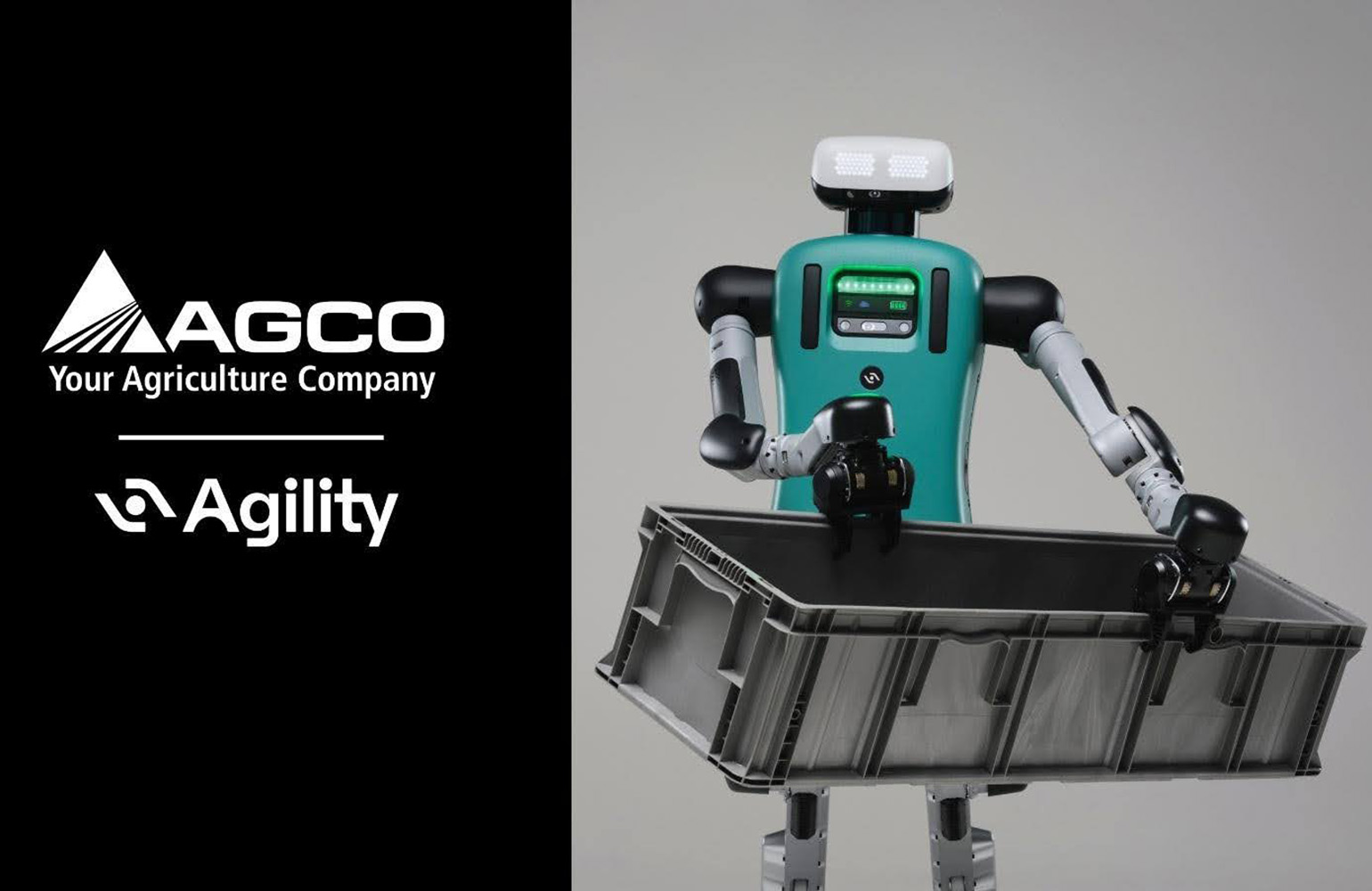
Agility Robotics has been among the most aggressive in pursuing commercial deployment, placing its Digit humanoid robots in Amazon fulfillment centers and other industrial settings. The company recently rebranded to reflect its broader ambitions beyond a single product line, signaling confidence that the humanoid form factor has commercial legs, both figuratively and literally.
Boston Dynamics, long the most visible name in robotics through viral videos of its Atlas platform performing parkour and dance routines, has shifted focus toward practical applications. The company's electric Atlas, which replaced the earlier hydraulic version, is designed for real-world industrial tasks rather than demonstrations. Boston Dynamics has been working with automotive manufacturers and logistics companies to identify tasks where a humanoid robot adds value over existing automation.
Other companies are also pushing into the space. Figure AI, backed by significant venture funding, has been developing humanoid robots with a focus on general-purpose capability. Tesla continues to develop its Optimus humanoid, though timelines for meaningful deployment remain uncertain. Chinese companies including Unitree and several state-backed ventures are advancing rapidly, adding competitive pressure to the field.
The Standards Question
ASTM International's involvement highlights a critical challenge for the industry: there are currently no comprehensive standards for humanoid robot safety, performance, or testing. Industrial robots have operated under well-established standards like ISO 10218 and ISO/TS 15066 for years, but these standards were designed for traditional robotic arms operating in caged environments or collaborative settings with limited mobility.
Humanoid robots present fundamentally different safety challenges. They are mobile, they operate in unstructured environments, and their humanoid form means they interact with spaces designed for people. A humanoid robot navigating a warehouse must deal with stairs, doorways, uneven surfaces, and unexpected obstacles in ways that a fixed robotic arm never encounters.
The safety implications are significant. A humanoid robot that loses balance could fall on a human worker. One that misjudges a grasp could damage fragile objects or injure bystanders. The force capabilities needed for useful work also make these machines potentially dangerous if control systems fail or if their perception of the environment is incorrect.
What Standards Need to Cover
The discussion between industry leaders and ASTM is expected to address several key areas. Physical safety standards need to define acceptable force limits, emergency stop mechanisms, and fail-safe behaviors when a humanoid robot encounters unexpected situations. These standards must balance safety with utility, as overly conservative limits would render the robots commercially unviable.
Performance standards are also needed to give potential customers confidence in what they are purchasing. Metrics for dexterity, payload capacity, battery life, navigation accuracy, and task completion rates need to be standardized so that buyers can compare products from different manufacturers on a level playing field.
Testing protocols present their own challenges. How do you test a general-purpose humanoid robot when the range of tasks it might perform is essentially unlimited? The industry will need to develop representative test scenarios that cover the most common and most critical use cases while acknowledging that real-world deployment will always involve situations that testing did not anticipate.
Commercial Reality Check
Despite the enthusiasm, humanoid robotics faces a fundamental economic question: can these machines perform useful work at a cost that justifies their price? Current humanoid robots cost hundreds of thousands of dollars each and require significant support infrastructure including charging stations, maintenance, and human supervisors.
For humanoid robots to achieve mass deployment, they need to demonstrate clear economic advantages over alternative approaches including traditional automation, mobile robots with non-humanoid form factors, and human workers. The humanoid form factor's primary selling point, the ability to operate in environments designed for humans without modification, must translate into real productivity gains.
The companies represented at the summit are betting that this economic case will strengthen as the technology matures, production scales, and software capabilities improve. But the path from promising prototype to profitable product is long and uncertain, and the history of robotics is littered with technologies that were technically impressive but commercially unsuccessful.
Looking Ahead
The summit represents an inflection point for an industry that is moving from spectacle to substance. The conversations about standards, safety, and commercialization are less exciting than backflipping robots but far more important for the technology's long-term trajectory. How well the industry navigates these practical challenges will determine whether humanoid robots become a transformative economic force or remain an expensive curiosity.
This article is based on reporting by The Robot Report. Read the original article.
Originally published on therobotreport.com