OpenAI puts Codex in users’ pockets
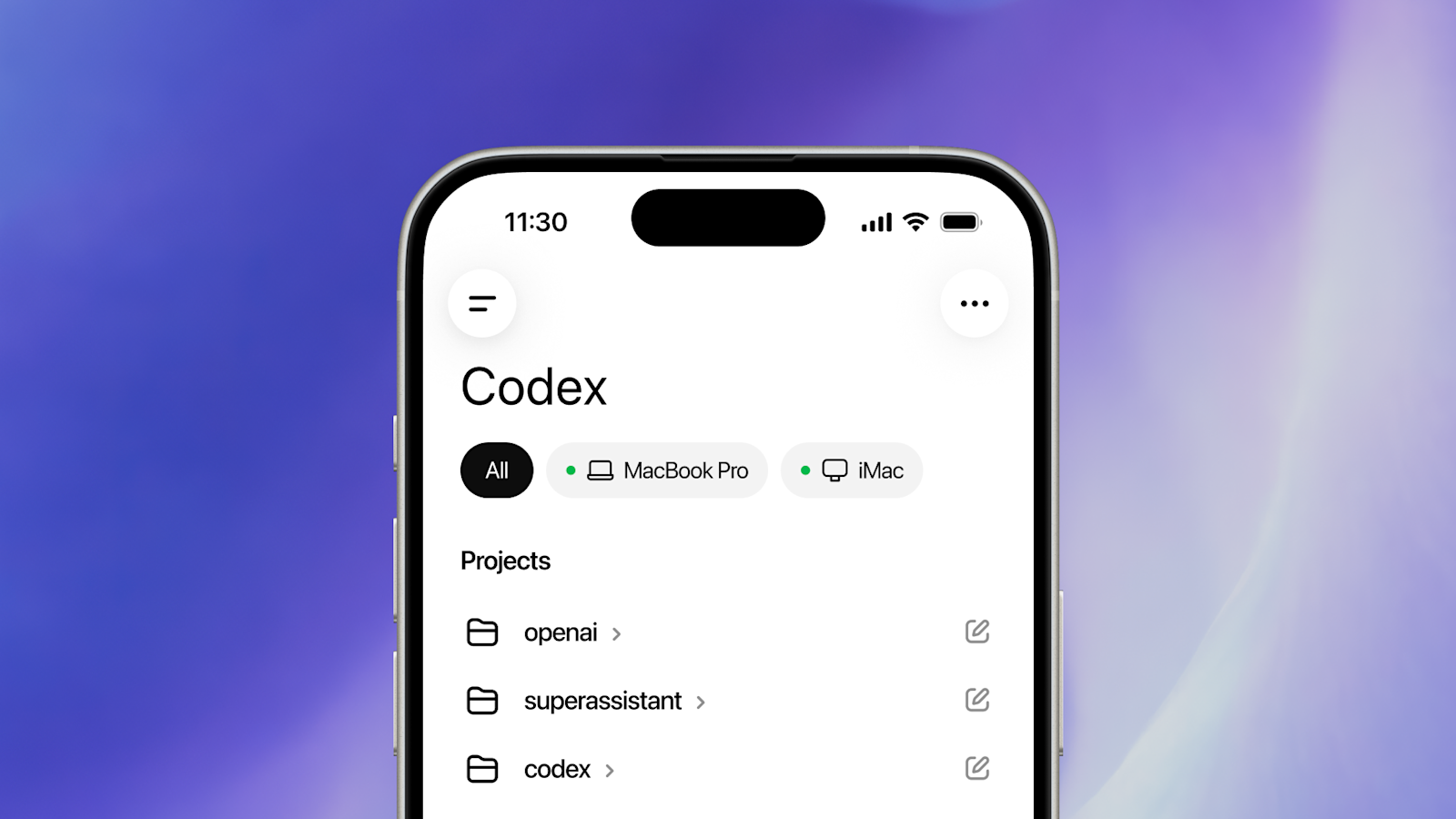
OpenAI says Codex is now available in preview inside the ChatGPT mobile app, a move designed to make its coding agent easier to supervise when users are away from their primary machines. The company frames the release as a response to a practical problem with agentic software work: once tasks run longer and span more steps, people need lightweight ways to review findings, answer questions, approve actions, and redirect work without returning to a desktop session.
According to OpenAI, the mobile experience is not limited to launching a single remote job. Instead, it is intended as a full interface for staying connected to active Codex work running on laptops, managed remote environments, or dedicated development machines. The company says users can move across threads, approvals, plugins, and project context while keeping files, credentials, and permissions on the machine where Codex is actually operating.
What the mobile version is meant to do
OpenAI says the app can surface the live state of a connected Codex environment so users can review outputs and intervene at the moments that matter. The stated goal is continuity: someone can start a task in one place, monitor it somewhere else, and step back in only when judgment or authorization is needed.
- Review active threads and outputs from a phone
- Approve commands and next steps while away from a desktop
- Change models or redirect work in progress
- See terminal output, screenshots, diffs, and test results in real time
That emphasis suggests OpenAI sees Codex less as a one-shot code generator and more as a persistent collaborator that may spend meaningful time investigating bugs, running tests, or preparing changes. In that model, friction around small check-ins can slow work just as much as model capability limits. Mobile oversight is positioned as a way to reduce that friction.
A new workflow for longer-running agents
OpenAI says more than 4 million people now use Codex every week. The company ties the mobile rollout to a broader shift in how people work with software agents: not by issuing one prompt and waiting for a final answer, but by supervising a sequence of actions over time. In that framing, short interventions matter. A quick answer to a clarifying question can keep a task moving. A fast approval can prevent a job from stalling. A timely correction can avoid unnecessary rework.
The company’s examples reflect that pattern. A user might ask Codex to investigate a bug, reproduce the issue, inspect files, run tests, and work toward a fix. If the agent needs clarification or permission to continue, the user can respond from a phone rather than returning to the original machine. OpenAI presents that as a practical advantage for developers whose work often stretches across environments and interruptions.
Security and architecture claims
OpenAI says the system uses a secure relay layer so trusted machines remain reachable across devices without being exposed directly to the public internet. The same relay is described as keeping active session state and context synchronized anywhere a user is signed in with ChatGPT. That architecture matters because it separates where work happens from where supervision happens: the computation and sensitive local setup stay on the connected machine, while the phone acts as a live window into the process.
For organizations and individual developers alike, that distinction could be important. Many coding environments depend on local credentials, repositories, hardware configurations, or internal resources that do not translate cleanly to a mobile device. OpenAI’s description suggests it wants mobile access without relocating those assets.
Why this release matters
The launch is notable less for mobile convenience alone than for what it says about the direction of agent tools. As companies push AI systems toward longer, more autonomous software tasks, the human role shifts from constant operator to intermittent reviewer. Products that support that rhythm may become more useful than ones that assume the user is continuously present at the terminal.
OpenAI’s preview does not, by itself, resolve the broader questions around trust, oversight, and the quality of autonomous coding work. But it does address one operational bottleneck: the need to stay connected to work in progress without being tied to a desk. If coding agents increasingly function as persistent workers across multiple machines, mobile supervision is likely to become a standard expectation rather than an add-on.
For now, OpenAI is presenting the update as a practical extension of the existing Codex experience. The underlying message is straightforward: if agent workflows are going to be useful in real projects, they have to fit the way people actually move through their day.
This article is based on reporting by OpenAI. Read the original article.
Originally published on openai.com