Apple resets part of the Siri effort
Apple is sending fewer than 200 Siri engineers through a multi-week bootcamp focused on AI coding tools, according to reporting cited by The Decoder. The training is said to include tools such as Anthropic's Claude Code and OpenAI's Codex, a notable signal that Apple is trying to accelerate the way at least part of its voice assistant team builds software.
The move lands against a backdrop of long-running criticism inside the company that Siri has been too slow to evolve. The supplied report says Apple's Siri team has been viewed internally as sluggish for years and that it fell behind the wave of modern AI systems that reset user expectations for conversational software.
A catch-up effort before WWDC
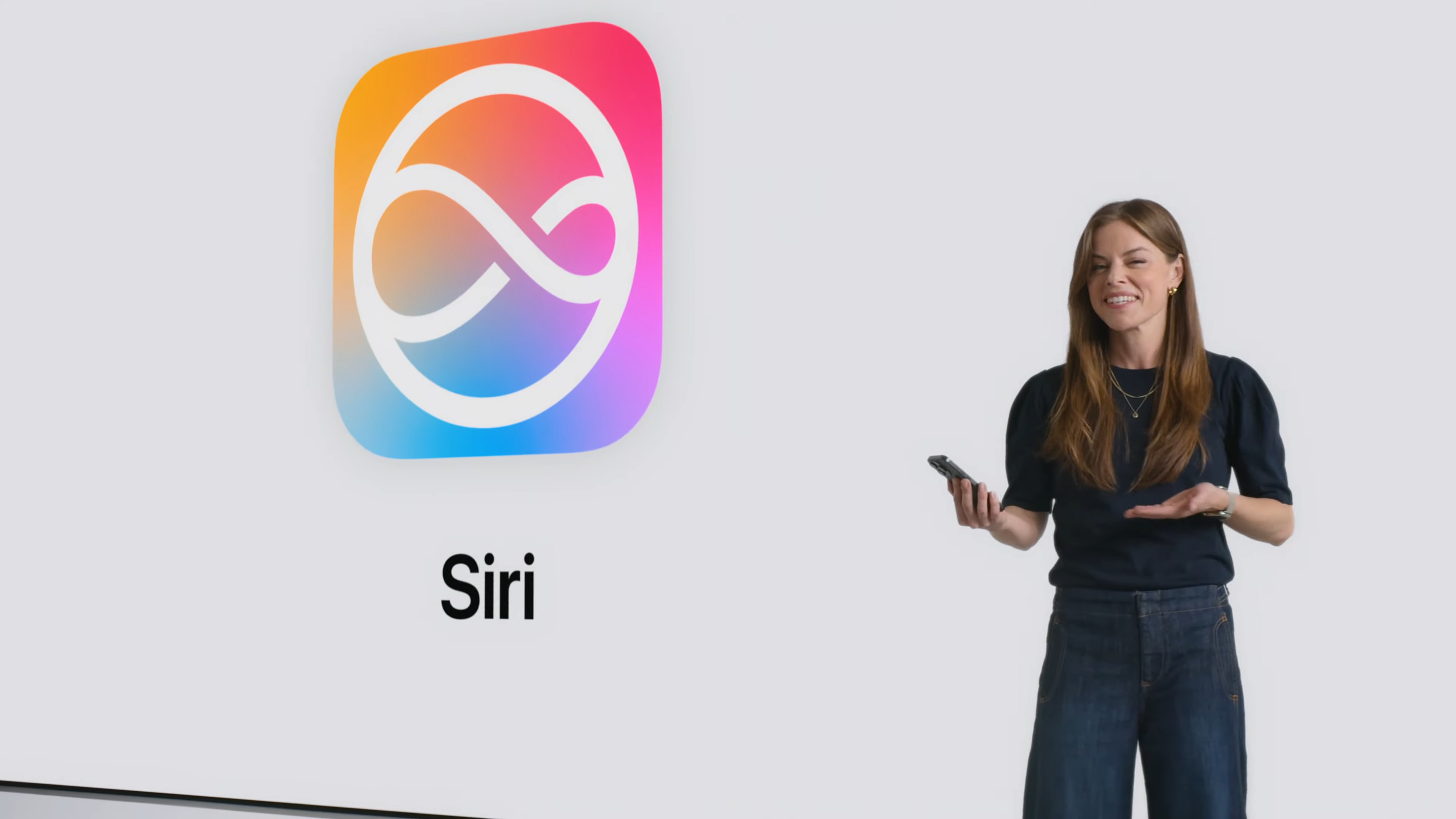
The timing matters. Apple plans to unveil a fully revamped Siri at its Worldwide Developers Conference in June, according to the report. That version is expected to be significantly more conversational and to run on Google's Gemini model, an arrangement that would underscore how urgently Apple is trying to refresh a product that has struggled to keep pace with the broader generative AI market.
Even without a formal announcement from Apple in the source material, the bootcamp itself suggests a company trying to solve two problems at once: modernizing Siri's technical foundation and changing the way its engineers work. Training developers on external AI coding assistants implies Apple sees productivity tools as part of the remedy, not just model upgrades or management changes.
Restructuring continues
The source also says the Siri organization has already been reshaped. Apple placed the team under software chief Craig Federighi in early 2025, a move that indicated the company wanted tighter product and engineering control over an assistant that had become strategically important again as AI systems grew more capable.
After the bootcamp, the team appears set to narrow and specialize. Around 60 people are expected to remain on the core development team, while another 60 will focus on performance and safety monitoring. That split points to a more explicit separation between building the assistant and supervising how it behaves, a structure that reflects the broader pressures surrounding AI products as companies try to improve usefulness without introducing instability or unsafe outputs.
Why this matters beyond Siri
This is not just a story about one product refresh. It reflects how established technology companies are retooling internal engineering practices in response to generative AI. Instead of treating AI purely as a customer-facing feature, Apple appears to be using AI tools inside the software organization itself while preparing a higher-profile external launch.
The report also notes that former AI lead John Giannandrea is leaving Apple this week. Taken together with the earlier leadership shift and the new training program, that detail reinforces the sense that Apple is still reorganizing its AI effort at a structural level, not merely polishing a feature ahead of a conference.
For Apple, the June unveiling now carries more weight than a routine annual update. A more conversational Siri, especially one reportedly tied to an outside model provider, would represent a meaningful departure from the assistant's earlier trajectory. The bootcamp shows Apple is treating the gap as real and immediate.
- Fewer than 200 Siri engineers are reportedly entering a multi-week AI coding bootcamp.
- The training is said to cover tools including Claude Code and OpenAI's Codex.
- Apple is expected to unveil a revamped Siri at WWDC in June.
- The new Siri is reportedly expected to run on Google's Gemini model.
This article is based on reporting by The Decoder. Read the original article.
Originally published on the-decoder.com