The Costly Blind Spot in the F&I Office
The finance and insurance office is often the most profitable corner of a dealership — and also one of the most vulnerable. While showroom technology and compliance processes have evolved, fraudsters keep adapting. According to Automotive News, the next issue will feature a special finance and insurance section that highlights the biggest auto finance fraud threats facing dealers today, along with guidance on how to prevent them. The timing is crucial: many dealerships still struggle to close the gaps that allow fraudulent deals to slip through.
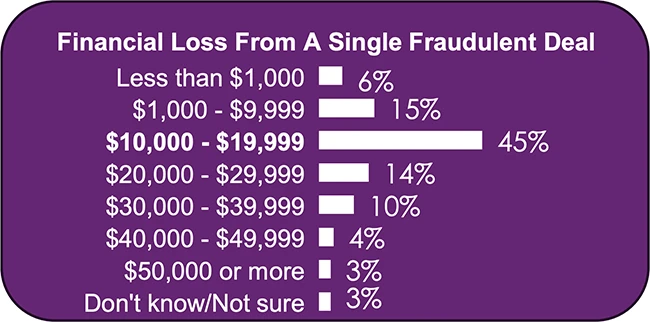
Fraud is not a victimless paper exercise. A single fake contract can trigger chargebacks, lender penalties, legal exposure, and lasting reputational damage. And the pressure to move metal quickly can blur the careful checks that should protect the bottom line.
Why Dealers Remain Vulnerable
A Moving Target
Fraud schemes are not static. Criminals continuously refine their methods, using better forgeries, stolen identities, and synthetic profiles that mimic legitimate buyers. In-house staff trained to spot one scheme may miss the next variation. The most stark vulnerability is the gap between older checklists and modern fraud tactics. Many dealerships rely on manual review processes that are no match for sophisticated attackers.
The Pressure of the Deal
Sales volume incentives can unintentionally weaken oversight. Finance managers who are rewarded for quick approvals may skip a callback or overlook a red flag in a pay stub. The quiet desperation of meeting monthly goals makes dealerships more susceptible. This is not to suggest that F&I professionals are careless; rather, the structure of the retail auto industry creates environments where speed often wins over scrutiny. That dynamic must be acknowledged before any real prevention effort can take hold.

The Threats That Keep Compliance Officers Up at Night
While the full list will be outlined in the Automotive News special section, the risks that commonly appear on dealer radars include several familiar categories worth understanding.
Identity Deception
Stolen identities are used to obtain financing for vehicles that are quickly resold or shipped overseas. Dealerships that fail to verify identity against multiple databases, or that skip credit bureau fraud alerts, can unknowingly become intermediaries in these operations. Beyond simple ID theft, synthetic identities combine real and fake information, creating creditworthy-looking personas with no true corresponding person.
Income and Employment Fabrication
Mortgage-style documentation fraud is alive in auto finance. Borrowers may supply altered pay stubs, fabricated W-2s, or false employer contact numbers with voice mail systems that confirm employment. A finance manager under deadline may accept what appears to be a credible document without seeking independent verification from the employer's official line.
Straw Purchases and Title Manipulation
In a straw purchase, an individual with good credit applies on behalf of someone else who actually intends to take the vehicle. The deal often defaults early, but not before the vehicle is dismantled for parts or retitled. Title washing, another scam, involves laundering a salvage title into a clean one through out-of-state bureaus. The dealership can be left holding a worthless loan or worse, a legal entanglement that drags on for years.
Prevention Strategies That Actually Work
The upcoming special section does not just catalog the threats; it places emphasis on practical countermeasures. Dealerships that build layered defenses can reduce their exposure dramatically, even as fraud schemes evolve.
Verify Everything, Twice
Prevention begins with strict verification of identity, income, and residence. That means not relying solely on documents provided by the customer. Call the employer using publicly listed phone numbers, not the one on the pay stub. Use verification services for IDs and credit reports. Consider requesting additional proof of residence when the address on the license does not match other records. A few extra minutes per deal is a small price compared to the cost of a chargeback.
Train the First Line of Defense
F&I professionals need regular, scenario-based training. Real fraud examples, red-flag checklists, and refresh sessions keep awareness high. Sales staff also play a role; they interact with the customer first and may notice behavioral red flags. A culture that encourages slowing down for verification, rather than a culture that applauds fast sign-ups, is essential.
Build a Network of Partners
Lenders and law enforcement can be powerful allies. Many banks maintain fraud databases and are willing to share alerts. Participating in dealer fraud task forces and industry information-sharing groups helps identify local trends early. If a dealership suspects a fraudulent deal, reporting it to the authorities and the lender not only protects that store but can help bust a ring affecting dozens of others.
Leverage Technology, Without Blind Faith
Digital verification tools, identity scoring, and fraud detection software are increasingly accessible. But technology is not a silver bullet. Algorithms can generate false positives that cost good deals, and they can miss the newest schemes. The best approach layers automated checks with human judgment. Dealerships should see fraud prevention as an ongoing process, with periodic audits and updates to systems and training material.

What the Next Issue Delivers
The Automotive News special section is designed to give dealers a clear-eyed look at these challenges. It will profile real-world cases and, more importantly, outline a roadmap for countermeasures. The goal is not to scare dealers but to equip them with actionable information they can implement immediately.
Readers can expect a breakdown of the most common fraud techniques, tips for spotting them earlier, and advice on building a more resilient F&I workflow. From showroom policies to back-office audits, the coverage will span the entire dealership operation.
Staying Ahead in a Game That Never Ends
Auto finance fraud is not going to disappear. Criminals follow opportunity, and the dealership remains an attractive target because of high-value assets and access to credit. But vulnerability is not fate. Dealers who commit to robust verification, continuous training, and honest conversations about risk can reduce their exposure substantially. The next Automotive News special section is a timely reminder that awareness is the first line of defense — and action is the second.
For any dealer who has ever wondered if their process is safe enough, the answer is likely: not yet. The good news is that the path toward better protection is well known. It starts with admitting that fraud finds a way, then doing the hard work to close the doors tighter.
This article is based on reporting by Automotive News. Read the original article.

Originally published on autonews.com