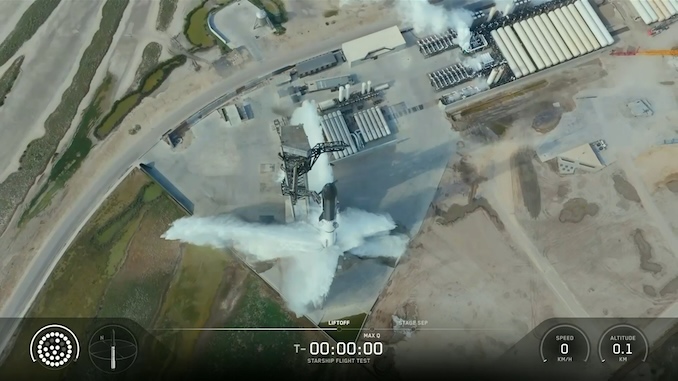
ఇగ్నిషన్ వద్ద ఆగిన ప్రయోగం
SpaceX యొక్క Starship Flight 13 జూలై 16న ignition తర్వాత చోటుచేసుకున్న ఒక అసాధారణ పరిస్థితి కారణంగా Starbase, Texas నుండి liftoff కాకుండా abortతో ముగిసింది. Spaceflight Now ప్రకారం, స్క్రీన్పై కనిపించిన telemetryలో Super Heavy booster పై నాలుగు engines అనుకున్న విధంగా ignite కాలేదని చూపించింది, దీంతో automatic abort ప్రారంభమైంది. Elon Musk తర్వాత కొన్ని engines start కాలేదని రాశారు మరియు ఇంకొన్ని రోజుల్లో మరో launch attempt రావచ్చని చెప్పారు.
ఇది weather కారణంగానో, లేదా final sequence కి చాలా ముందే గుర్తించిన సమస్య వల్లనో జరిగిన scrub కాదు అనే విషయం ముఖ్యమైనది. mission Pad 2 వద్ద booster ignition వరకు చేరి, అప్పుడే సమస్య vehicleను ఆపింది. launch operations లో, ఇలాంటి last-second abort ఒకేసారి reassuring కూడా disruptive కూడా అవుతుంది: system failure conditionను గుర్తించి ప్రయత్నాన్ని నిలిపివేయడం వల్ల reassuring; mission critical, tightly choreographed phase లోనే ఆగిపోవడం వల్ల disruptive.
Flight 13 మరొక Starship outing కంటే ఎక్కువ కారణాల వల్ల కూడా దగ్గరగా గమనించబడిన test. ఇది ఈ ఏడాదిలో రెండో launch, అలాగే third-generation Starship-Super Heavy vehicle కి రెండో mission కావాల్సింది. అంతకన్నా ముఖ్యంగా, ఇది Starship నుండి తొలిసారి deploy చేయబోయే production Starlink Version 3 satellites ను తీసుకెళ్లాల్సి ఉంది, అయితే అవి orbit చేరే ఉద్దేశంతో మాత్రం కాదు.
ఈ పరీక్ష ఎందుకు ముఖ్యమైంది
SpaceX Starship అదే suborbital trajectory పై 20 Starlink V3 satellites ను release చేయాలని ప్లాన్ చేసింది. spacecraft తన solar arrays మరియు antennas ను విస్తరించి, high-capacity lasers ద్వారా విస్తృత Starlink constellation తో కలవడానికి ప్రయత్నించి, deployment తర్వాత సుమారు 20 నిమిషాల్లో తిరిగి atmosphere లోకి ప్రవేశించి నాశనం కావాలని కంపెనీ తెలిపింది. దీంతో Flight 13 రాకెట్కు ఒక flight-test milestone మాత్రమే కాదు. Starship మరియు Starlink మధ్య భవిష్యత్ సమన్వయానికి systems test కూడా అయింది.
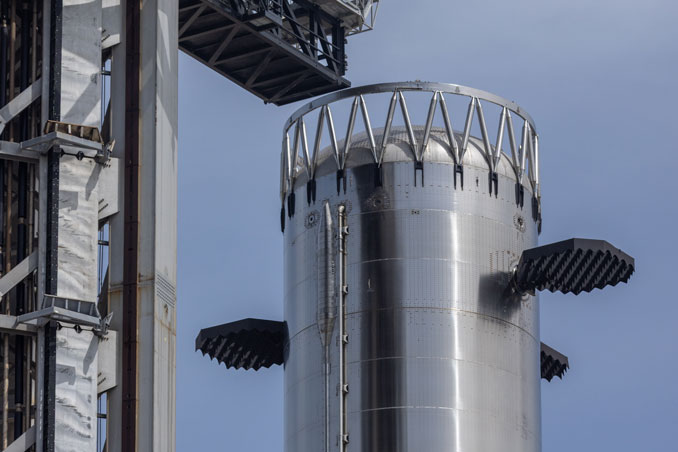
mission profile SpaceX యొక్క iterative శైలిని ప్రతిబింబించింది. satellites operational orbit కోసం కాదు, కానీ realistic conditions లో ముఖ్యమైన functions ను పరీక్షించేందుకు ఉద్దేశించబడ్డాయి. test విజయవంతమైతే, V3 generation కోసం deployment behavior మరియు network interaction కు ప్రారంభ demonstration లభించేదని అర్థం. ఇప్పుడు abort ఆ data ను ఆలస్యం చేసింది.
Flight 13 లో Mayలో జరిగిన Flight 12 లాంటి propulsion మరియు reentry లక్ష్యాలు కూడా ఉన్నాయి. coast సమయంలో upper stage లోని Raptor engine ను relight చేయడం, అలాగే Gulf of Mexico లో controlled booster landing చేయడం SpaceX లక్ష్యం. గత flight లో startup-sequence సమస్యలు మరియు 33 sea-level booster engines లో ఐదు సంబంధిత ఇబ్బందులు Booster 19 ని nominal boostback burn పూర్తి కాకముందే కోల్పోవడానికి కారణమయ్యాయని Spaceflight Now తెలిపింది.
engine-rich architecture మరియు దాని ప్రమాదాలు
Flight 13 abort కి తక్షణ కారణం పెద్ద launch systems లోని known challenge ను చూపిస్తుంది: engine count. Super Heavy అనేది densely clustered engines పై ఆధారపడి ఉంది, మరియు report లో cited telemetry ప్రకారం నాలుగు engines expected గా ignite కాలేదని చూపించింది. engine-rich architectures performance మరియు కొంత operational flexibility ఇవ్వగలవు, కానీ అవి sequencing, timing, health monitoring అన్నీ కీలకమైన కఠిన ignition environment ను కూడా సృష్టిస్తాయి.
అయితే, Flight 13 ను broader Starship development approach లో outlier గా భావించాల్సిన అవసరం లేదు. ఈ కార్యక్రమం failure, partial success, rapid reflights ద్వారా data సేకరించడానికి సిద్ధంగా ఉండే విధంగా ambitious objectives ను మళ్లీ మళ్లీ కలిపింది. ఆ అర్థంలో, ఈ సంఘటన యొక్క ప్రాముఖ్యత abort కంటే ignition chain లో engineers ఏమి గుర్తిస్తారనే దానిపై, అలాగే సమస్యను ఎంత త్వరగా పరిష్కరించగలరో అన్నదానిపై ఆధారపడి ఉంటుంది.
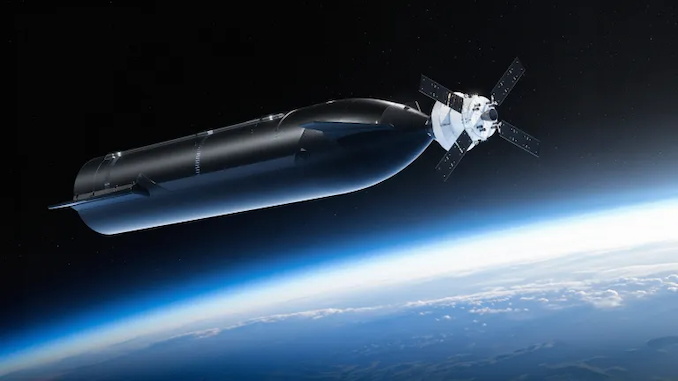
అయితే కూడా, mission delay consequential, ఎందుకంటే Starship ను vehicle maturity, stage-control improvements, మరియు Starlink deployment capability అనే మూడు priorities ను ఒకేసారి ముందుకు తీసుకెళ్లగల సాధనంగా ఎక్కువగా చూస్తున్నారు. ఒక launch attempt pad వద్దే విఫలమైతే, ఈ అన్ని రంగాల్లో పురోగతి ఒకేసారి నిలిచిపోతుంది.
తర్వాత ఏముంది
Spaceflight Now ప్రకారం Booster 20 మరియు Ship 40 రెండూ మొదటిసారి ఎగిరాయి, మరియు SpaceX రెండింటినీ reuse కోసం recover చేయాలని ప్లాన్ చేయలేదు. అంటే mission value refurbishment లేదా అదే hardware పై repeat flights కంటే test outcomes మీదే కేంద్రీకృతమైంది. root cause సంకుచితంగా, బాగా అర్థమై ఉంటే, త్వరిత reattempt near-term usefulness లో చాలావరకు కాపాడగలదు.
మొత్తం takeaway ఏమిటంటే, Starship ఇంకా high-visibility demonstrations మరియు foundational engineering బాగా linked గా ఉన్న దశలోనే ఉంది. production Starlink V3 satellites యొక్క first suborbital deployment ను వాగ్దానం చేసిన అదే mission, ఒక clean booster ignition sequence పై కూడా ఆధారపడింది. అది దక్కలేదు.
ప్రస్తుతం, ఫలితం flight loss కంటే delay మాత్రమే, మరియు ఆ తేడా ముఖ్యమైనది. automatic abort లోపభూయిష్ట launch ను ముందుకు సాగనీయలేదు. కానీ increasingly ambitious mission conditions లో basics ను mastery చేయడం Starship roadmap కి ఇంకా ఎంత కీలకమో కూడా ఇది చూపించింది.
- Super Heavy లోని నాలుగు engines అనుకున్న విధంగా start కాకపోవడంతో Starship Flight 13 ఇగ్నిషన్ వద్ద abort అయింది.
- ఈ mission 20 production Starlink V3 satellites ను suborbital test trajectory పై deploy చేయాల్సి ఉంది.
- ఈ ఆలస్యం vehicle-test objectives మరియు ముఖ్యమైన Starlink systems demonstration రెండింటినీ వెనక్కి నెట్టింది.
ఈ article Spaceflight Now reporting ఆధారంగా రాయబడింది. మూల article చదవండి.
Originally published on spaceflightnow.com