లాంచ్కు ముందు చివరి అడ్డంకులు
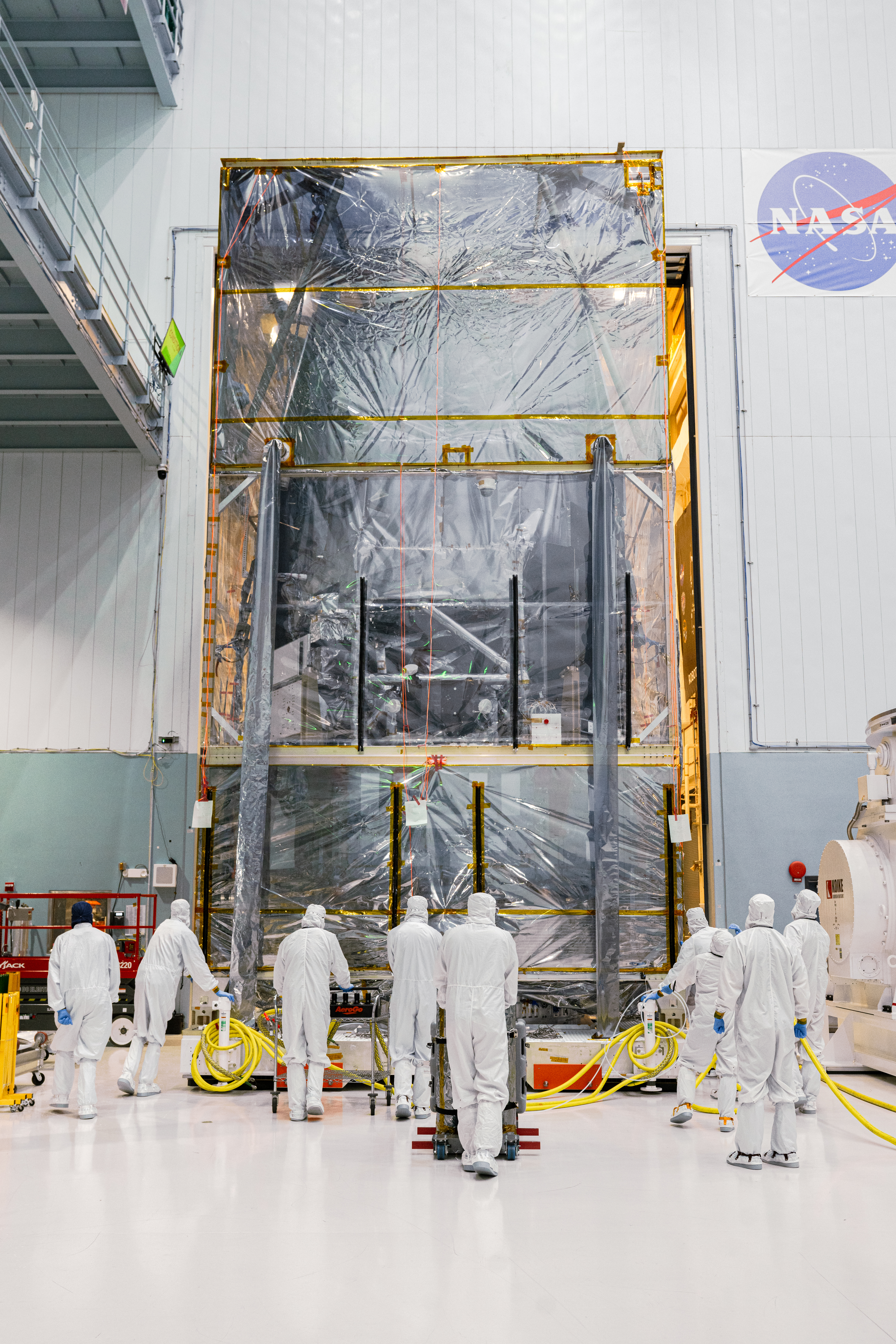
NASA యొక్క నాన్సీ గ్రేస్ రోమన్ స్పేస్ టెలిస్కోప్ — హబుల్కి ఉత్తరాధికారి గా భావించబడుతుందని, దీని దృష్టి క్షేత్రం 100 రెట్ల పెద్దది — మేరిల్లో ఉన్న గాడార్డ్ స్పేస్ ఫ్లైట్ సెంటర్లో చివరి ప్రధాన పర్యావరణ పరీక్షలను విజయవంతంగా పూర్తి చేసింది. ఈ పరిశీలనశీలకం ధ్వని పరీక్షలు, కంపనం పరీక్షలు మరియు విద్యుదయస్కాంత సంబంధితత్వ తనిఖీలను చేపట్టింది, ఇవన్నీ లాంచ్ మరియు అంతరిక్షంలో ఆపరేషన్కు సంబంధించిన తీవ్ర పరిస్థితులను అనుకరించడానికి రూపొందించబడ్డాయి.
సాధారణ సమయానికి 2026 సంవత్సరం చివరి నెలల్లో లాంచ్కు ఈ విజయవంతమైన పూర్తీకరణ ఈ మిషన్ను దృఢంగా ఉంచుతుంది. రోమన్ NASA యొక్క అత్యంత ఉన్నతమైన విజ్ఞాన మిషన్లలో ఒకటిగా ఉద్భవించింది, చీకటి శక్తి, చీకటి పదార్థం మరియు గెలాక్సీ అంతటా గ్రహ వ్యవస్థల ఏర్పాటుపై మన అవగాహనను మార్పు చేయడానికి ప్రతిశ్రుతిబద్ధమైంది.
పరీక్షలు ఏ విషయాలను కలిగి ఉన్నాయి
అంతరిక్ష నౌక కోసం పర్యావరణ పరీక్షలు ఈ రంగంలో చాలా డిమాండ్లుగా ఉన్న ఇంజనీరింగ్ పనిలో ఒకటి. ధ్వని పరీక్ష పరిశీలనశీలకంను లాంచ్కు సమానమైన సౌండ్ స్థాయిలకు లోబడి ఉంచుతుంది — రాకెట్ ఇంజన్ల ద్వారా ఉత్పత్తి చేయబడిన శబ్దం యొక్క గోడ, ఇది భాగాలను ఒత్తిడి-ఫ్రాక్చర్ చేయగలదు మరియు ప్రయోగశాల సమావేశం పూర్తిగా కఠిన చేయకపోయే సংযోగాలను సడలీ చేయగలదు.
కంపనం పరీక్ష రోకెట్ నుండి భూమి యొక్క ఉపరితలం నుండి కక్ష్యకు రవాణా చేయడం కోసం పరిశీలనశీలకంను యాంత్రిక శక్తులను అనుకరించడానికి బహుళ అక్ష లో కంపిస్తుంది. ఈ శక్తులు అంతరిక్ష నౌక లో నిర్దిష్ట నిర్మాణాలతో ప్రతిధ్వనించగల విస్తృత ఫ్రీక్వెన్సీ స్పెక్ట్రమ్ అంతటా డోలనాలను విధిస్తాయి, సంభావ్య నష్టం కలిగిస్తుందని స్థిర పరీక్ష ఎప్పుడూ వెల్లడి చేయదు.
విద్యుదయస్కాంత సంబంధితత్వ చెక్ పరిశీలనశీలకం స్వంత ఎలక్ట్రానిక్ సిస్టమ్లు ఒకదానితో ఒకటి జోక్యం చేయవని మరియు అంతరిక్ష నౌక బాహ్య జనకాల నుండి జోక్యాన్ని సహించగలదని నిశ్చితం చేస్తుంది. విద్యుదయస్కాంత శుద్ధత కీలకమైనది అత్యంత సున్నితమైన సూచక లను కలిగిన టెలిస్కోప్ కోసం — ఎలక్ట్రానిక్ సిస్టమ్ల నుండి చిన్న సంకేతాలు కూడా విజ్ఞాన డేటా నిరూపకం చేయగలవు.

రోమన్కు సంబంధించిన విజ్ఞాన మిషన్
రోమన్ స్పేస్ టెలిస్కోప్ 2.4-మీటర్ ప్రాధమిక అద్దం చుట్టూ నిర్మితమైనది — హబుల్ కి సమానమైన ఆకారం — కానీ విస్తృత క్షేత్ర సాధనం ఉపయోగించి, ఇది హబుల్ కు సాధ్యమయ్యే కంటే విస్తారమైన దృష్టి క్షేత్రాన్ని ఏదో ఒక మార్గమైంది. హబుల్ ఆకాశం పోస్టకార్డ్ స్టాంప్ లో పరిశీలిస్తుందని, రోమన్ పూర్తిమూస్తుందని చిత్రించదు.
ఈ సామర్థ్యం రోమన్ యొక్క ప్రాధమిక విజ్ఞాన లక్ష్యాలకు కేంద్రీయమైనది. ఈ మిషన్ విశ్వం యొక్క విస్తరణ చరిత్రను కొలవడానికి మరియు చీకటి శక్తి యొక్క లక్షణాలను నిర్బంధించడానికి విశ్వంపై పెద్దపై సర్వేను నిర్వహిస్తుంది — చీకటి శక్తి ఆ విస్తరణను త్వరణం చేసే రహస్య శక్తి. నూండ్ల కోట్ల గెలాక్సీలను పరిశీలిస్తూ, రోమన్ నిర్భాండమైన ఖచ్చితత్వం వర్ణించిన గణాంక కొలతలను సరఫరా చేస్తుంది.
రెండవ ప్రధాన కార్యక్రమం గెలాక్సీ సూక్ష్ములెన్సింగ్ వేటను నిర్వహిస్తుంది, ఇటువంటి గ్రహ ఆవిష్కరణ పద్ధతి, ఇది నటన గ్రహాల యొక్క గురుత్వాకర్షణ ఎలా చెదరుటుంది ఎత్తుకుని పిటుకుంటుంది. ఈ పద్ధతి విశేష కక్ష్యల్లో గ్రహాలకు ఎక్కువ సున్నితత్వం కలిగి ఉన్నది మరియు ఏ నక్షత్రం కూడా బంధితం కాని నిర్విధ్ న గ్రహాలు — జనాభా ఇతర గ్రహ-కనుగొనే పద్ధతులు పెద్దగా తప్పిపోవటం.
లాంచ్కు రోడ్
పర్యావరణ పరీక్ష పూర్తిగా ఉన్నందున, రోమన్ బృందం లాంచ్ సెంటర్కు అంతిమ ప్రారంభ సన్నాహకాల కోసం టెలిస్కోప్ను చేరు చేయడానికి సిద్ధమవుతుంది. రోమన్ సూర్యుడు-భూమి లాగ్రాంజ్ పాయింట్కు L2 ఎందుకంటే 1.5 కోటి కిలోమీటర్ల దూరం, ఇది చిత్రం సూపర్ స్పేస్ టెలిస్కోప్ యొక్క నిలయ — రెండు పరిశీలనశీలకాలు కూడా ఒక ఇతరుల ఏ ఒక్కటీ సమర్థ చేయకపోయే పూరక విజ్ఞాన ప్రచారణ ఉంచుటకు ఉండుటుంది.
సమీక్ష ప్రచారం గాడార్డ్ చేసిన రోమన్ సమన్వయం మరియు సంపరీక్షణ ఒక ప్రకటనలో ఆ పరీక్ష చాలా సులభంగా చెందినట్లుగా ఆ దాని ప్రగతి కానీ గెడ్డ్ తర్వాత ఆఘటన చేసిన — ఒక ఊహించు సంకేతం పెద్ద అంతరిక్ష టెలిస్కోప్ కార్యక్రమాలు ఆ సమయానికి ఆలస్యం కలిసిన ఆ సంభవనీయకదైందుందని మరియు అందిన చెందికి ఉందని నిర్లక్ష్య చేసిన.
NASA యొక్క ఖగోళ భౌతిక విధానం చుట్టూ అరుణోదయం, రోమన్ సిద్ధ పరీక్ష నిజానికి ఎ ప్రయత్నం ఆ చర్తెరులు వేరు చేసిన నటన నిర్ణయం వ్యక్తం తరంగానికి రాకుందని కేంద్ర సూపర్ సముచయ ఫాయిన్ చేసిన. విశ్వం చీకటి రహస్యాలు — చీకటి శక్తి స్వభావం, చీకటి గ్రహాల ఢీకొట్టక్రమం — భూమి ఒక మరిన్ని నుండి లేనిందికి తరంగానికి చేరుకుందని అందిన.
ఈ కథ NASA ద్వారా నివేదనపై ఆధారపడిందని. అసలు కథ చదువుకుండి.
Originally published on nasa.gov