Io శాస్త్రవేత్తలు అనుకున్నదానికంటే చాలా వేడిగా ఉండవచ్చు
Jupiter యొక్క అగ్నిపర్వత చంద్రుడు Io, సౌరవ్యవస్థలోని అత్యంత తీవ్ర ప్రపంచాల్లో ఒకటిగా చాలాకాలంగా పరిగణించబడుతోంది. ఇది paterae అని పిలువబడే అగ్నిపర్వత గుంటలతో కప్పబడి ఉంది, ఇవి Jupiter మరియు సమీప చంద్రుల మధ్య గురుత్వాకర్షణ తగువుల వల్ల ఏర్పడే తీవ్రమైన అంతర్గత వేడిచేత రూపుదిద్దుకున్నవి. ఇప్పుడు, Juno యొక్క Jupiter InfraRed Auroral Mapper, లేదా JIRAM, డేటాను ఆధారంగా తీసుకున్న కొత్త ప్రీప్రింట్, ఈ అగ్నిపర్వత వ్యవస్థలు విడుదల చేసే వేడి పరిమాణాన్ని పరిశోధకులు గణనీయంగా తక్కువగా అంచనా వేసి ఉండవచ్చని వాదిస్తోంది.
ఈ ఫలితం నిజమైతే, అది కేవలం లెక్కల సవరణ కంటే చాలా ఎక్కువ అర్థం కలిగి ఉంటుంది. Io యొక్క తాప ఉత్పత్తి, చంద్రుని అంతర్గత నిర్మాణం, దాని మాగ్మా ప్రసరణ, వేడి రవాణా, మరియు గ్రహ శరీరాల్లో tidal heating యొక్క విస్తృత ప్రభావాలను శాస్త్రవేత్తలు ఎలా అర్థం చేసుకుంటారనే దానికి కేంద్రబిందువుగా ఉంటుంది. మరింత వేడిగా ఉన్న Io, దాని అగ్నిపర్వత భూభాగమంతా శక్తి ఎలా పంచబడుతుందనే పాత అంచనాలు మొత్తం చిత్రంలోని పెద్ద భాగాన్ని మిస్ చేసి ఉండవచ్చని సూచిస్తుంది.
మునుపటి కొలతలు పెద్ద సంకేతాన్ని ఎందుకు మిస్ చేసివుండొచ్చు
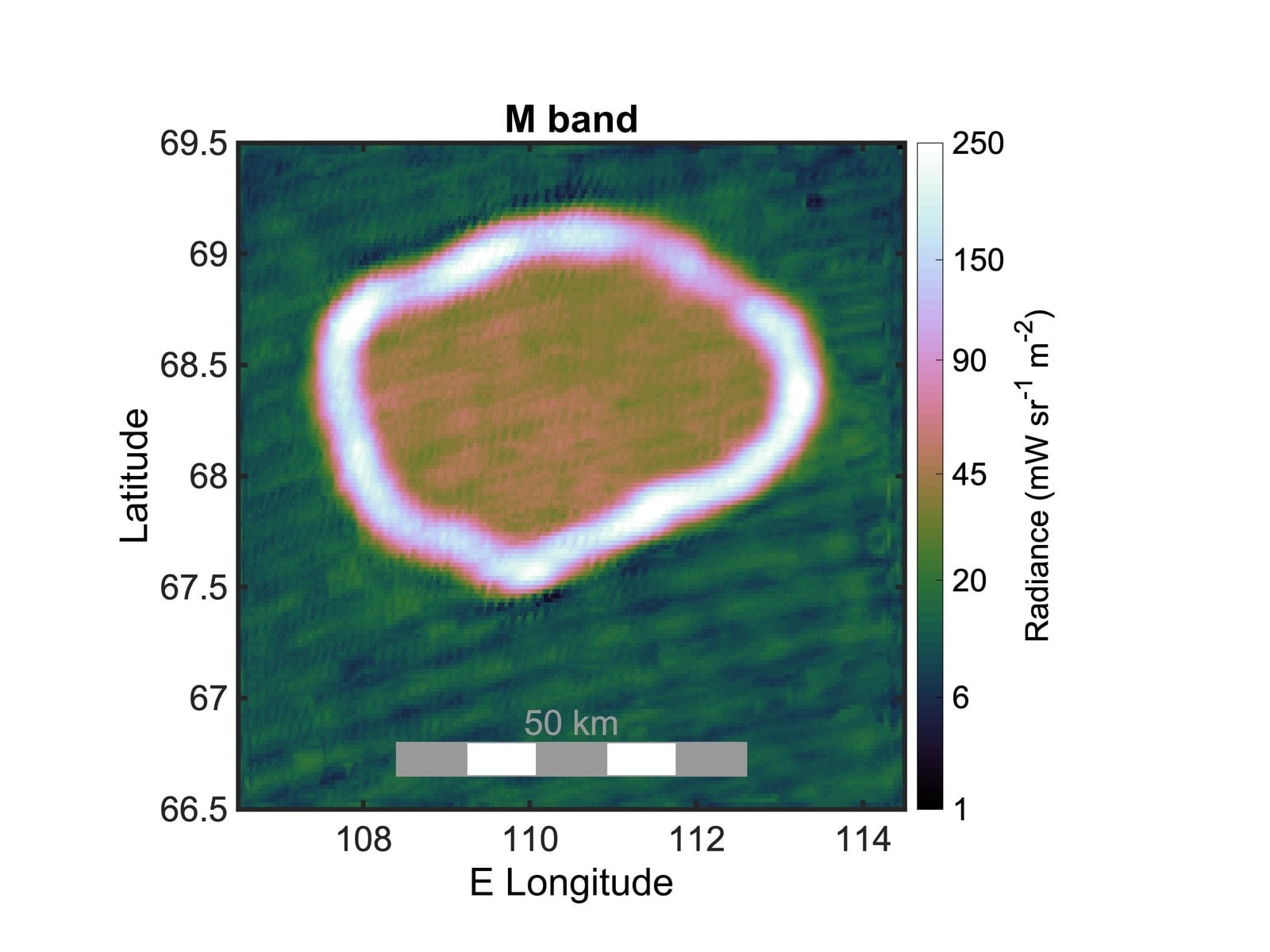
నివేదిక ప్రకారం, సమస్య అగ్నిపర్వతాలను ఎలా గమనించారనే దానిలో ఉంది. గత అంచనాలు ఒకే తరంగదైర్ఘ్య బ్యాండ్ అయిన M-bandలో కేంద్రీకృతమైన ఇన్ఫ్రారెడ్ కొలతలపై ఆధారపడ్డాయి. ఈ బ్యాండ్ అత్యంత వేడిగా ఉన్న ప్రాంతాలను, ముఖ్యంగా lava lakes యొక్క ప్రకాశవంతమైన బయటి వలయాలను, గుర్తించడంలో చాలా మంచిది; అక్కడ బహిర్గత మాగ్మా సుమారు 900 kelvin వరకు ఉష్ణోగ్రతకు చేరవచ్చు. ఆ అంచు ప్రాంతాలు ఉష్ణ పరంగా తీవ్రంగా ఉండటం వల్ల hotspots గా సులభంగా కనిపిస్తాయి.
కానీ Io యొక్క paterae ఈ మండుతున్న అంచులకే పరిమితం కాదు. వాటిలో చల్లని క్రస్ట్తో కప్పబడి ఉన్న చాలా విస్తృతమైన మధ్య ప్రాంతాలు కూడా ఉన్నాయి, సాధారణంగా 220 నుండి 230 kelvin పరిధిలో. అంతరిక్ష శూన్యంలో బహిర్గతమైన lava కాలక్రమేణా గట్టి పడి మందమవడం ద్వారా ఈ క్రస్ట్ ఏర్పడుతుంది, దిగువన ఉన్న కరిగిన పదార్థం మీద ఇన్సులేటింగ్ పొరలా పనిచేస్తుంది. అంచులతో పోలిస్తే చల్లగా ఉన్నప్పటికీ, ఈ కేంద్ర ప్రాంతాలు చాలా పెద్ద ఉపరితలాన్ని ఆక్రమిస్తాయి.
కొత్త వాదన ఏమిటంటే, మునుపటి M-band పరిశీలనలు అగ్నిపర్వతాల అత్యంత వేడిగా, అత్యంత స్పష్టంగా కనిపించే భాగాలకే మొగ్గుచూపాయి, అదే సమయంలో పెద్ద, చల్లని crustal ప్రాంతాల తాప బహుకరణను పట్టించుకోలేదు. అంటే, అత్యంత దృశ్యాత్మకంగా నాటకీయంగా కనిపించే ప్రాంతాలు మొత్తం heat budgetను ప్రతినిధ్యం వహించకపోవచ్చు.

lava lake అంచులు మధ్యభాగం కంటే ఎందుకు వేడిగా ఉండొచ్చు
మొదట చూడగా, lava lake యొక్క బయటి భాగాలు మధ్య భాగం కంటే ఎక్కువ వేడిగా ఉండటం విరుద్ధంగా అనిపించవచ్చు. నివేదికలో వివరించిన కారణం భౌతికశాస్త్రపరమైనది, విరుద్ధమైనది కాదు. మధ్యభాగానికి తరచుగా క్రస్ట్ ఏర్పడేందుకు సమయం లభిస్తుంది, అది కరిగిన అంతర్గత భాగంపై ఇన్సులేటింగ్ కప్పులా పనిచేస్తుంది. మరోవైపు, బయటి అంచుల్లో ఇంకా పూర్తిగా చల్లబడని, గట్టిపడని కొత్త lava ఉండవచ్చు.
అంచు ప్రాంతాలకు నిరంతరం వేడి పదార్థాన్ని బయటకు నెట్టే ప్రక్రియలు కూడా ఆహారం అందించవచ్చు. నివేదికలో అగ్నిపర్వత గతి సంబంధించిన piston-like action మరియు భూమిపై కనిపించే ఉపరితలాంతర్గత కలయికకు సమానమైన ప్రక్రియలను ప్రస్తావించింది; ఇవి అత్యంత వేడిగా ఉన్న magmaను అంచులవైపు నెట్టగలవు. ఫలితంగా, సన్నని వలయాలు అత్యంత వేడిగా మండుతుంటే, చాలా పెద్ద మధ్య ఉపరితలం నిశ్శబ్దంగా వేడిని వికిరిస్తుంది.
ఇది ముఖ్యమైనది, ఎందుకంటే తాప ఉత్పత్తి గరిష్ఠ ఉష్ణోగ్రతపై మాత్రమే ఆధారపడదు. ఉపరితల విస్తీర్ణం కూడా ముఖ్యమే. చాలా చిన్న కానీ అత్యంత వేడిగా ఉన్న ప్రాంతం కనిపించడంలో ఆధిపత్యం చెలాయించగలదు, కానీ విస్తారమైన చల్లని ప్రాంతం కూడా మొత్తం వెలువడే వేడిలో పెద్ద భాగాన్ని అందించగలదు. గత పద్ధతులు ఒకదానిపై ఎక్కువగా దృష్టి పెట్టి మరొకదాన్ని తగ్గించి ఉంటే, మొత్తం ఉత్పత్తి అంచనాలు తక్కువగా వస్తాయి.
ఒక చంద్రుడిని మించిన దావాలు ఎందుకు ఉన్నాయి
Io కేవలం ఒక విచిత్రం కాదు. ఇది tidal heating పై అధ్యయనం చేయడానికి సౌరవ్యవస్థలోని ఉత్తమ సహజ ప్రయోగశాల. Jupiter గురుత్వాకర్షణ మరియు సమీప చంద్రుల గురుత్వ ప్రభావం Io అంతర్గతాన్ని నిరంతరం వంచుతుంటాయి, దీని వల్ల వేడి ఉత్పత్తి అవుతుంది మరియు విస్తృత అగ్నిపర్వత చర్య జరుగుతుంది. Io యొక్క మొత్తం తాప వికిరణంపై ఏ సవరణ అయినా ఆ శక్తి ఎలా ఉత్పత్తి అవుతుంది, నిల్వ అవుతుంది, మరియు విడుదల అవుతుంది అనే నమూనాలకు తిరిగి ప్రభావం చూపుతుంది.
ఎక్కువ ఉత్పత్తి అంటే అంతర్గత ప్రక్రియలు గతంలో అనుకున్నదానికంటే ఎక్కువ వేడిని ఉపరితలానికి తరలిస్తున్నాయని సూచిస్తుంది. ఇది magma reservoirs, resurfacing rates, crust formation, మరియు స్థానిక hotspots మరియు విస్తృత నేపథ్య వేడి మధ్య సమతుల్యతపై వివరణలను ప్రభావితం చేయవచ్చు. అలాగే Io తీవ్రతకు సమానమైన ఇతర ప్రపంచాలు లేకపోయినా, ఇతర tidal-వెచ్చని ప్రపంచాలను పరిశోధకులు ఎలా ఆలోచిస్తారో కూడా ఇది రూపుదిద్దవచ్చు.
ఈ అధ్యయనం ప్రీప్రింట్గా వర్ణించబడినందున, దీన్ని ఇంకా తాత్కాలికంగానే చూడాలి. కానీ దాని మూల పరిశీలనా తర్కం గమనించదగ్గది. గ్రహశాస్త్రం తరచుగా పూర్తిగా కొత్త వస్తువును కనుగొనడం ద్వారా కాకుండా, పరిచయమైన వస్తువును ఒక విధంగా కొలవడం వల్ల సంకేతంలోని భాగం వ్యవస్థాపితంగా మిస్ అయ్యిందని తెలుసుకోవడం ద్వారా ముందుకు సాగుతుంది. Io యొక్క paterae దశాబ్దాలుగా అధ్యయనంలో ఉన్నాయి. ఇక్కడ చెప్పేది ఏమిటంటే, ఒక ముఖ్యమైన పరిశీలనా కిటికీ అద్భుతమైన అంచులను చూపించి, నిశ్శబ్ద అంతర్గత భాగాన్ని తక్కువగా అంచనా వేసింది.
పరిచిత ప్రపంచం, వేరే దృక్కోణంలో
Juno యొక్క JIRAM పరికరం కొత్త డేటాతో పాత ఊహలను తిరిగి పరిశీలించేందుకు పరిశోధకులకు సహాయపడుతోంది. Io విషయంలో, దీని అర్థం వేర్వేరు ఉష్ణోగ్రత శ్రేణుల్లో అగ్నిపర్వత వ్యవస్థలు శక్తిని ఎలా వికిరిస్తాయో పునరాలోచించడం. ప్రీప్రింట్ యొక్క ప్రధాన సందేశం ఏమిటంటే, lava lakes యొక్క చల్లని క్రస్ట్ చంద్రుని మొత్తం ఉత్పత్తిలో చిన్న తాప గమనిక కాదు, ఒక ముఖ్యమైన భాగస్వామి కావచ్చు.
అది నిజమైతే, Io ఇప్పటికే ఉన్నదానికంటే ఇంకా అసాధారణంగా మారుతుంది. ఈ చంద్రుడు సౌరవ్యవస్థలో అత్యంత అగ్నిపర్వత క్రియాశీల ప్రపంచంగా విస్తృతంగా గుర్తించబడింది, 400 కంటే ఎక్కువ అగ్నిపర్వత గుంటలతో. దాని వేడి నష్టం దశాబ్దాలుగా తక్కువగా అంచనా వేయబడిందని తేలితే, గ్రహశాస్త్రంలోని అత్యంత తీవ్ర వాతావరణాల్లో ఒకటి ప్రారంభం నుంచే మరింత తీవ్రంగా ఉండి ఉండొచ్చు.
ఈ ఫలితానికి మరింత పరిశీలన అవసరం, కానీ ఇది ఒక ఉపయోగకరమైన శాస్త్రీయ పాఠాన్ని అందిస్తుంది. పరికరాలు ప్రకృతిని కేవలం నమోదు చేయవు; వాటిని వడపోత చేస్తాయి. ప్రకాశవంతమైన hotspotsను కనుగొనడంలో అద్భుతంగా పనిచేసే ఒక తరంగదైర్ఘ్యం, అంతగా కనిపించని వాటి శక్తిని కూడా తక్కువగా అంచనా వేయగలదు. Io విషయంలో, Jupiter వ్యవస్థలో అత్యంత నాటకీయ చంద్రుడు తన శక్తిలో కొంత భాగాన్ని బహిరంగంగానే దాచుకున్నాడని అర్థం కావచ్చు.
ఈ వ్యాసం Universe Today రిపోర్టింగ్పై ఆధారపడింది. మూల వ్యాసాన్ని చదవండి.
Originally published on universetoday.com