యువ సౌరోపోడ్లు వాటి పరిమాణం సూచించేదానికంటే ఎక్కువ చురుకుగా ఉండి ఉండొచ్చు
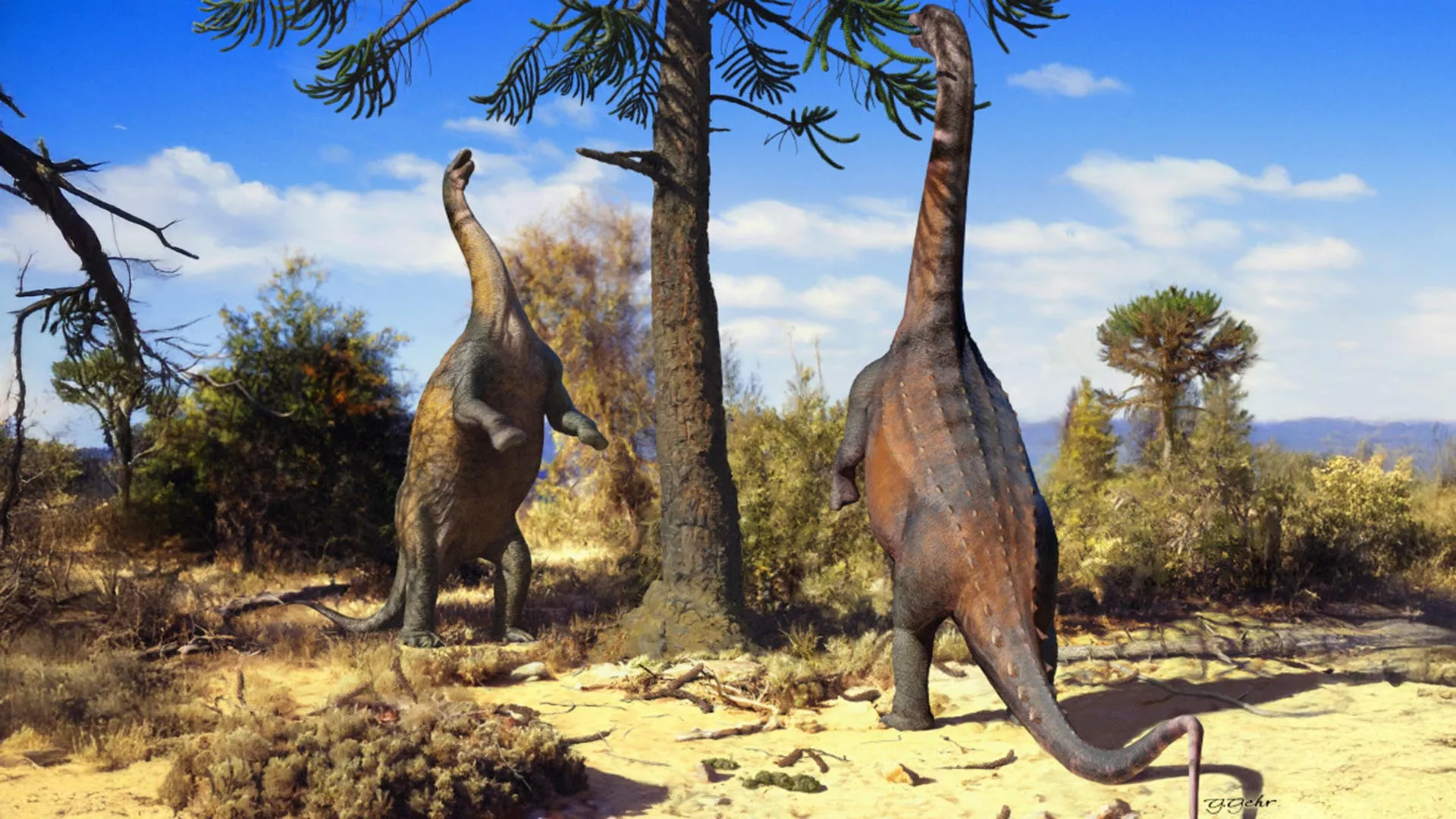
పొడవైన మెడలున్న కొన్ని డైనోసార్లు, ప్యాలియోంటాలజిస్టులు ఒకప్పుడు ఊహించినదానికంటే, తమ వెనుక కాళ్లపైకి లేవడంలో మరింత నైపుణ్యం కలిగి ఉండి ఉండొచ్చు. మూల పదార్థంలో ప్రస్తావించిన కొత్త అధ్యయనం ప్రకారం, బ్రెజిల్కు చెందిన Uberabatitan మరియు అర్జెంటీనాకు చెందిన Neuquensaurus అనే రెండు దక్షిణ అమెరికా సౌరోపోడ్ల తొడ ఎముకలు నిటారుగా నిలబడే భంగిమలను మద్దతు ఇచ్చేంత బలంగా ఉన్నట్లుగా కనిపిస్తోంది, ముఖ్యంగా ఆ జంతువులు చిన్నవయసులో, తక్కువ బరువుతో ఉన్నప్పుడు.
Palaeontology జర్నల్లో ప్రచురితమైన ఈ పరిశోధనలో, సౌరోపోడ్ తన బరువును వెనుక కాళ్లపైకి మళ్లించినప్పుడు గురుత్వాకర్షణ మరియు శరీర బరువు తొడ ఎముకపై ఎంత ఒత్తిడిని కలిగిస్తాయో అంచనా వేయడానికి గణనాత్మక విశ్లేషణను ఉపయోగించారు. ఈ డైనోసార్లు రెండు కాళ్లపై మాత్రమే జీవించాయని కాదు, కానీ సరైన పరిస్థితుల్లో గణనీయమైన కాలం పాటు పైకి లేచి ఆ భంగిమలో నిలబడగలిగేవని సూచించింది.
ఆ తేడా ముఖ్యమైనది. సౌరోపోడ్లు సాధారణంగా భారీ, నాలుగు కాళ్ల శాకాహారులుగా, స్థిరత్వం మరియు ద్రవ్యరాశితో నిర్వచించబడినవిగా ఊహించబడతాయి, చురుకైన సమతుల్యతతో కాదు. కానీ కొత్త విశ్లేషణ కనీసం ఈ గుంపులోని కొన్ని మధ్యస్థ పరిమాణ జాతులు, ఎత్తైన ఆకులను చేరుకోవడానికి, బెదిరింపులను తిప్పికొట్టడానికి, లేదా ప్రత్యర్థులు మరియు సంభావ్య జతలను ప్రదర్శనతో ఆకట్టుకోవడానికి తాత్కాలికంగా మరింత నిటారుగా ఉన్న భంగిమను ఉపయోగించగలిగేవని సూచిస్తోంది.
డైనోసార్ శరీర నిర్మాణానికి ఇంజనీరింగ్ పరికరాల వినియోగం
ఈ అధ్యయనం శిలాజాల వ్యాఖ్యానంతో పోలిస్తే నిర్మాణ ఇంజనీరింగ్తో ఎక్కువగా సంబంధం ఉన్న పద్ధతులపై ఆధారపడింది. పరిశోధకులు తొడ ఎముకపై పనిచేసే యాంత్రిక భారాలను నమూనా చేయడానికి గణనాత్మక పరీక్షలను ఉపయోగించారు. ఆ ఎముక పైకి లేచిన భంగిమలో ఒత్తిడిని ఎలా తట్టుకుంటుందో అనుకరించడం ద్వారా, అటువంటి ప్రవర్తన బయోమెకానిక్స్ పరంగా సాధ్యమైందో లేదో అంచనా వేయగలిగారు.
మూల వచనం కేంద్ర ఫలితాన్ని స్పష్టంగా సంక్షిప్తంగా చెబుతోంది: ఈ రెండు జాతుల వంటి చిన్న సౌరోపోడ్ల ఎముక మరియు కండరాల నిర్మాణాలు, చాలా పెద్ద సౌరోపోడ్లతో పోలిస్తే, రెండు వెనుక కాళ్లపై నిలబడటాన్ని మరింత సులభంగా మరియు ఎక్కువ కాలం కొనసాగించగలిగేలా చేశాయి. శరీర పరిమాణం పెరిగేకొద్దీ, తొడ ఎముకపై పడే బలాలు కూడా పెరిగి, ఆ భంగిమ సౌకర్యం మరియు వ్యవధి తగ్గిపోయాయి.
ఆ పరిమాణ-మాత్రా ప్రభావం ఈ అధ్యయనంలోని అత్యంత ముఖ్యమైన సూచనల్లో ఒకటి. ఇది సౌరోపోడ్లలో పైకి లేవడం అనే ప్రవర్తన మొత్తం గుంపులో ఒకే విధమైన అవునా-కాదా లక్షణం కాదని సూచిస్తోంది. బదులుగా, అది జాతి, పరిమాణం, వయస్సు, మరియు మొత్తం శరీర నిష్పత్తుల ఆధారంగా మారి ఉండవచ్చు. ఒక మహత్తర సౌరోపోడ్ మరియు కేవలం ఏనుగు పరిమాణం ఉన్న ఒక జంతువు రెండూ శరీర ముందు భాగాన్ని పైకి ఎత్తగలిగేవి కావచ్చు, కానీ సాపేక్షంగా చిన్నది లేదా యువమైన జంతువే అలా మరింత సమర్థంగా చేయగలిగిఉండవచ్చు.
యవ్వనం ఎందుకు ముఖ్యమై ఉండొచ్చు
మూల పదార్థం వయస్సుపై ప్రత్యేక దృష్టి పెట్టింది. Uberabatitan లో కూడా, అది పెద్దయ్యాక 26 మీటర్ల పొడవు చేరి, బ్రెజిల్ నుండి తెలిసిన అతిపెద్ద డైనోసార్గా వర్ణించబడినప్పటికీ, పెరుగుదలతో పైకి లేవగల సామర్థ్యం తగ్గిపోయి ఉండవచ్చు. చిన్న వయసులోని వ్యక్తులు తక్కువ ద్రవ్యరాశిని మోసేవారు, అందువల్ల నిటారుగా నిలబడే భంగిమల సమయంలో వెనుక కాళ్లపై యాంత్రిక ఒత్తిడి తక్కువగా ఉండేది. పెద్దవయసు జంతువులు, దానికి భిన్నంగా, వాటి పెరుగుతున్న బరువు కారణంగా చాలా ఎక్కువ భారాన్ని ఎదుర్కొని ఉండేవి.
ఈ వయస్సు-ఆధారిత కనుగొనడం సౌరోపోడ్ జీవిత చరిత్రకు మరింత సూక్ష్మమైన రూపాన్ని అందిస్తుంది. చిన్నవయసు మరియు ఉపవయసు జంతువులు కేవలం పరిమాణంలో తగ్గించిన పెద్దలు మాత్రమే కాకుండా ఉండి ఉండవచ్చు. అవి పెద్దయ్యేకొద్దీ తక్కువ ప్రయోజనకరంగా మారిన ఆహార లేదా రక్షణ వ్యూహాలను ఉపయోగించి, భిన్నంగా ప్రవర్తించి ఉండవచ్చు. మరింత ఎత్తైన వృక్షావరణాన్ని చేరగలిగిన యువ జంతువు, భూమికి దగ్గరగా లభించని ఆహారాన్ని పొందగలదు; అదే సమయంలో రక్షణాత్మక లేదా సామాజిక సందర్భంలో మరింత పెద్దదిగా లేదా భయపెట్టేలా కనిపించగలదు.
ఆ అవకాశం, వృక్షాల పైభాగాలను చేరుకోవడం, వేటగాళ్లను భయపెట్టడం, జతలను ఆకర్షించడం, లేదా పునరుత్పత్తికి సహాయపడడం అనే మూల పదార్థం సూచించిన ప్రవర్తనా వివరణలతో సరిపోతుంది. ఫాసిల్ రికార్డులో ఒక నిర్దిష్ట ప్రవర్తనకు ప్రత్యక్ష రుజువు ఉందని ఈ అధ్యయనం చెప్పడం లేదు. బదులుగా, అంతర్గత శరీర నిర్మాణం మరియు ఒత్తిడి సహన సామర్థ్యం ఆ ప్రవర్తనలను యాంత్రికంగా సాధ్యమైనవిగా చేశాయని వాదిస్తోంది.
దిగ్గజ శాకాహారి చిత్రాన్ని తిరిగి ఆలోచించడం
ప్రజలకు, సౌరోపోడ్లు గుర్తించడానికి సులభమైన డైనోసార్లలో ఒకటి, కానీ చురుకుగా ఏదైనా చేస్తున్నట్టు ఊహించడం కష్టమైనవిలో ఒకటి. వాటి పొడవైన మెడలు, తోకలు, స్తంభాల్లా కాళ్లు, మరియు భారీ శరీరాలు, ఉద్దేశపూర్వక కదలిక మరియు నిరంతర నాలుగు కాళ్ల మద్దతు అనే చిత్రాన్ని కలిగిస్తాయి. ఇలాంటి కనుగొనీలు ఆ చిత్రాన్ని పూర్తిగా తిప్పివేయకుండానే సంక్లిష్టం చేస్తాయి.
ఈ అధ్యయనం సౌరోపోడ్లను ఎప్పుడూ రెండు కాళ్లపై నడిచే జీవులుగా మార్చి చూపడం లేదు. బదులుగా, స్థిరంగా నిలిపిన మ్యూజియం భంగిమ సూచించేదానికంటే వాటికి ఎక్కువ ప్రవర్తనా వశ్యత ఉండి ఉండొచ్చని సూచిస్తోంది. తాత్కాలికంగా పైకి లేచే భంగిమ, శాశ్వత నిటారుగా ఉన్న శరీర రూపం అభివృద్ధి చేయకుండానే, ఆహారం చేరే పరిధిని పెంచగలిగేది. ప్రాయోగికంగా, అది కొన్ని జంతువులు తమ పొడవైన మెడలకు తోడుగా, వాటిని భర్తీ చేయకుండా, వృక్షాల నిలువు పొరలను ఉపయోగించుకునేలా చేసేది.
అది సామాజిక మరియు రక్షణాత్మక కోణాన్ని కూడా జోడిస్తుంది. వెనుక కాళ్లపైకి లేచే జంతువు తనకున్న ఎత్తును గణనీయంగా పెంచుకోగలదు, మరియు ఆ భంగిమ స్వల్పకాలమే అయినా పోటీలు లేదా బెదిరింపు ప్రదర్శనల్లో అది ముఖ్యమవుతుంది. మూల పదార్థం, పైకి నిలిచే భంగిమ వేటగాళ్లను భయపెట్టడంలో లేదా సంభావ్య జతలను ఆకట్టుకోవడంలో సహాయపడిందని స్పష్టంగా పేర్కొంటుంది. ఆ ఊహాగానాలు వ్యాఖ్యానాత్మకమైనవే అయినప్పటికీ, ఆ భంగిమ సాధ్యమని సూచించిన యాంత్రిక నిర్ధారణపై అవి ఆధారపడి ఉన్నాయి.
డైనోసార్ బయోమెకానిక్స్కు ఈ ఫలితం ఏమి జోడిస్తుంది
ఇలాంటి బయోమెకానిక్స్ అధ్యయనాలు మరింత ప్రాముఖ్యంగా మారుతున్నాయి, ఎందుకంటే అవి శరీర నిర్మాణం మరియు ప్రవర్తన మధ్య వారధిగా పనిచేస్తాయి. శిలాజాలు ఎముకలను మాత్రమే సంరక్షిస్తాయి, కదలికను కాదు, అందువల్ల అంతరించిపోయిన జంతువుల గురించి అనేక ప్రశ్నలు నిర్ధారణకు తెరచి ఉంటాయి. గణనాత్మక పద్ధతులు పరిశోధకులు ప్రతిపాదిత ప్రవర్తన నిర్మాణపరంగా వాస్తవసమ్మతమైనదో లేదో పరీక్షించడానికి అనుమతిస్తాయి, అది ఎన్ని సార్లు జరిగిందో లేదా ఏ సందర్భంలో జరిగిందో వాదించడానికి ముందు.
ఈ సందర్భంలో, ఈ పని ప్యాలియోంటాలజీలోని విస్తృత ధోరణికి తోడ్పడుతుంది: అంతరించిపోయిన జంతువులను వేర్వేరు ఎముకల సమాహారాలుగా కాకుండా, నమూనా చేయగల, ఒత్తిడికి లోనుచేయగల, మరియు పరస్పరం పోల్చగల భౌతిక వ్యవస్థలుగా పరిగణించడం. ఇది శరీర పరిమాణం మాత్రమే మొత్తం కథను చెప్పదని కూడా బలపరుస్తుంది. వ్యక్తిగత ఎముకల నిష్పత్తులు మరియు బలమునే, ముఖ్యంగా శరీరంలోని చాలా భాగాన్ని నేలపై నుండి ఎత్తడం వంటి తీవ్రమైన భారాల కింద, ఒక జంతువు ఏమి చేయగలదో నిర్ణయించగలవు.
విస్తృత సూచన ఏమిటంటే, వయస్సు మరియు వంశావళి అంతటా డైనోసార్ ప్రవర్తన సాధారణ ప్రజాదరణలో ఉన్న సరళీకృత చిత్రణలు అనుమతించేదానికంటే మరింత వైవిధ్యభరితంగా ఉండి ఉండవచ్చు. భవిష్యత్ అధ్యయనాలు ఇదే పద్ధతులను ఇతర సౌరోపోడ్లపై వర్తింపజేస్తే, ఏ జాతులు, జీవితం యొక్క ఏ దశల్లో, ఎంతసేపు సమర్థవంతంగా పైకి లేవగలిగాయో గురించి ప్యాలియోంటాలజిస్టులు మరింత సున్నితమైన పటాన్ని పొందవచ్చు.
ప్రస్తుతం, ఈ అధ్యయనం దృక్కోణంలో ఒక సంకుచితమైన కానీ అర్థవంతమైన మార్పును అందిస్తోంది. కొన్ని సౌరోపోడ్లు పైకి లేవడానికి కేవలం అతిపెద్దవిగా ఉండటం మాత్రమే కారణం కాదు. కనీసం చిన్న వయసులో, మరియు కనీసం కొన్ని జాతుల్లో, అవి ఎత్తుగా నిలబడగల నిర్మాణాన్ని కలిగి ఉండి ఉండొచ్చు.
ఈ వ్యాసం Science Daily నివేదిక ఆధారంగా రూపొందించబడింది. మూల వ్యాసాన్ని చదవండి.
Originally published on sciencedaily.com