క్వాంటం భౌతిక శాస్త్రం నిరాశ అయినప్పుడు
రోజువారీ భాషలో, నిరాశ అనేది కోరిక ఫలితాన్ని సాధించలేని స్థితిని సూచిస్తుంది. సంక్షిప్త పదార్థ భౌతిక శాస్త్రంలో, నిరాశ మరింత నిర్దిష్టమైన మరియు ఆసక్తికరమైన విషయాన్ని సూచిస్తుంది: కణాల మధ్య ప్రతిస్పర్ధకరమైన చర్యలు ఒకేసారి అన్నింటిని సంతృప్తిపరిచే ఏ ఒక్క అమరికను నిరోధించే పరిస్థితి. నిరాశ క్వాంటం వ్యవస్థలు సాధారణ క్రమబద్ధ స్థితిలో విశ్రాంతి పొందలేవు, ఫలితం అసాధారణ సంక్లిష్ట భౌతిక శాస్త్రం, మరియు కొత్త పరిశోధన చూపిన విధంగా, సాధారణ సమానతలు లేని క్వాంటం స్థితుల నిలయం.
పరిశోధకులు అణువులు రేఖాగణితంగా నిరాశ అయిన కొత్త క్వాంటం స్థితిని కనుగొన్నారు — ఇక్కడ లాటిస్ నిర్మాణం పొరుగు అణువులను వాటి అన్ని క్వాంటం యాంత్రిక చర్య ప్రాధాన్యతలను ఏకకాలంలో సంతృప్తిపరిచేలా నిరోధిస్తుంది. సైన్స్ డైలీలో వివరించిన ఆవిష్కరణలు సుపరిచితమైన పదార్థ దశ — ఘన, ద్రవ, వాయువు, మరియు సూపర్కండక్టర్లు మరియు సూపర్ఫ్లూయిడ్ల వంటి క్వాంటం దశలు — భౌతిక శాస్త్రవేత్తలు గత శతాబ్దంలో వర్గీకరించిన వాటి నుండి ప్రాథమికంగా భిన్నమైన క్వాంటం క్రమ రూపాన్ని వెల్లడిస్తుంది.
ఈ ఆవిష్కరణ క్వాంటం పదార్థాలు శాస్త్రీయ అంతర్జ్ఞానం సూచించిన కంటే చాలా గొప్ప మరియు విభిన్న స్థితుల విస్తృత విభాగాన్ని అందించారని అర్థం పెరుగుతుంది. త్రిభుజాకార లాటిస్లపై యాంటీఫెర్రోమ్యాగ్నెట్ల వంటి శాస్త్రీయ నిరాశ వ్యవస్థలు నిర్దిష్ట క్షీణ ఆకృతులను ఉత్పత్తి చేసే చోట, క్వాంటం నిరాశ వ్యవస్థలు క్వాంటం యాంత్రిక సూపర్పోజిషన్ మరియు సంలగ్నత శాస్త్రీయ సమానతలు లేని సమిష్టి ప్రవర్తనలను ఉత్పత్తి చేసే దశలలోకి ప్రవేశించవచ్చు — సాంప్రదాయిక కోణంలో విచ్ఛిన్న సమరూపత ద్వారా నిర్వచించకుండా పదార్థం అంతటా విస్తరించిన క్వాంటం సంలగ్నత నమూనాల ద్వారా నిర్వచించిన దశలు.
క్వాంటం నిరాశ అంటే ఏమిటి?
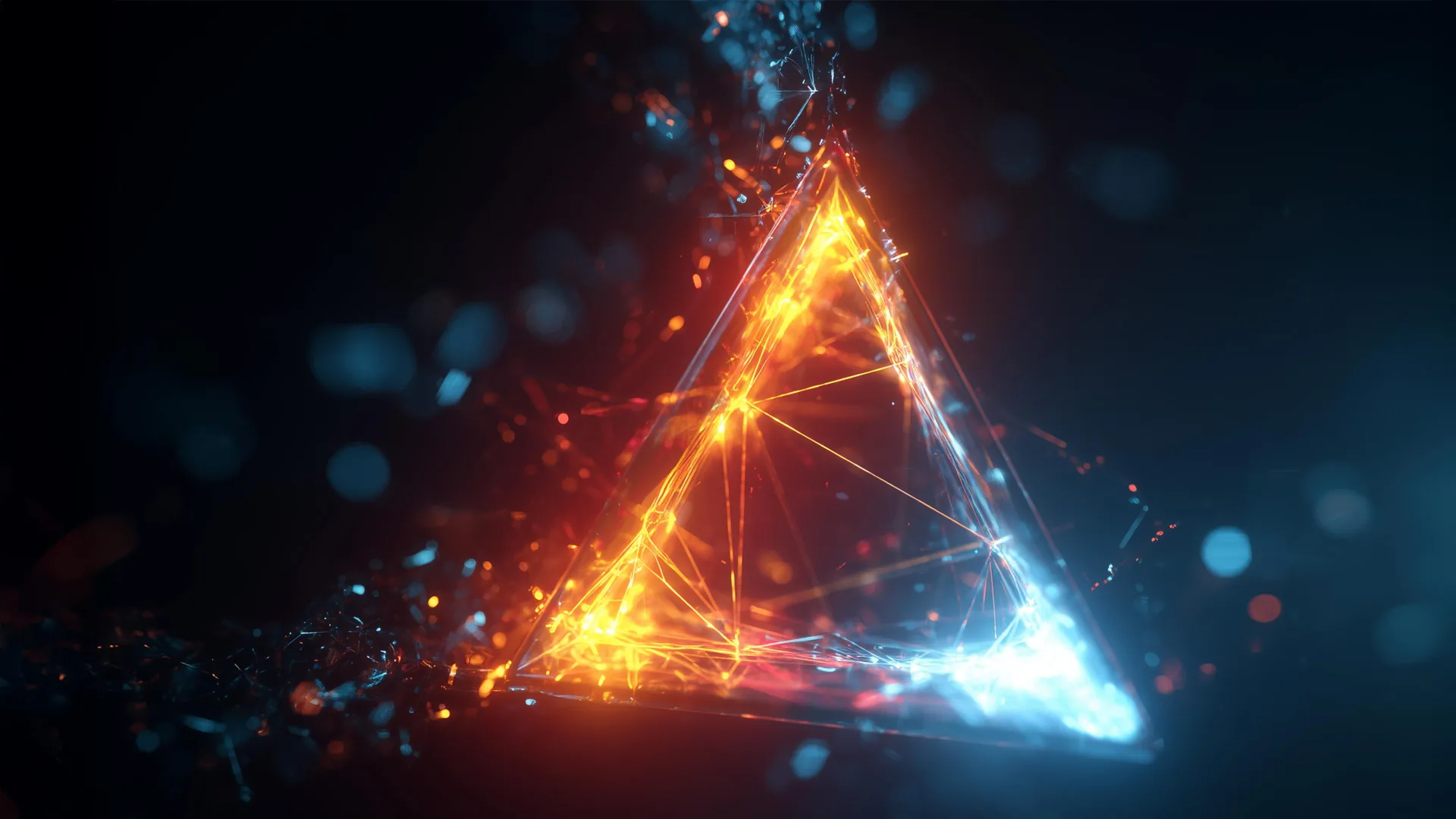
నిరాశ కేన్ను గొప్ప భౌతిక శాస్త్రం ఉత్పత్తి చేయడం ఎందుకు అర్థం చేసుకోవటానికి, సాధారణ ఉదాహరణను పరిశీలించండి. త్రిభుజం మూలలపై మూడు ఆయస్కాంతాలను ఉంచండి, పక్క ఆయస్కాంతాలు వ్యతిరేక దిశలలో సూచించడానికి ఇష్టపడే చర్యలతో. మూడిలో రెండు ఏకకాలంలో సంతృప్తి చెందవచ్చు, కానీ రెండుని సంతృప్తిపరిచేటప్పుడు మూడవ దానిని సంతృప్తిపరచడం అసాధ్యం: మూడవ ఆయస్కాంతం ఏ దిశలో సూచిస్తున్నా, ఇది కనీసం ఒక పక్కతో సంఘర్షణలో ఉంటుంది. సిస్టమ్ నిరాశ — ఇది అన్ని చర్యలను సంతృప్తిపరిచే కనీస శక్తి స్థితిని సాధించలేదు.
క్వాంటం మెకానిక్లో, నిరాశ వ్యవస్థలు ఈ సమస్యను శాస్త్రీయ వాటి కంటే భిన్నంగా సంభాలిస్తాయి. శక్తిశీలంగా క్షీణ శాస్త్రీయ ఆకృతుల్లో ఒకటిని ఎంచుకుని అక్కడ చిక్కుకోకుండా, క్వాంటం నిరాశ వ్యవస్థలు ఒకేసారి అనేక ఆకృతుల సూపర్పోజిషన్లో ఉండటం సాధ్యమవుతుంది. ఫలితం సాధారణ సమానత లేని క్వాంటం స్థితి — ఒక వ్యవస్థ ఒకేసారి నిరాశ అమరికల మధ్య అన్వేషణ చేస్తూ, పదార్థం యొక్క వివిధ భాగాల మధ్య సంబంధాలు శాస్త్రీయ క్రమానికి బదులుగా క్వాంటం సంలగ్నతలో ఎన్కోడ్ చేయబడతాయి.
ఈ క్వాంటం స్పిన్ లిక్విడ్ స్థితులు, నిరాశ సంస్థలు అయస్కాంత క్షణాలు అయినప్పుడు తరచుగా పిలవబడినవి, వింత మరియు ఉత్పత్తి చేయడం మరియు వర్గీకరించడం కష్టం. అవి ప్రాతినిధ్యం వహించిన ప్రాథమిక భౌతిక శాస్త్రం కోసం మాత్రమే కాకుండా సంభావ్య ఆచరణాత్మక అనువర్తనాల కోసం ఆసక్తికరమైనవి — క్వాంటం స్పిన్ లిక్విడ్లు టోపోలాజికల్ క్వాంటం కంప్యూటింగ్ కోసం అభ్యర్థి ప్లాట్ఫారమ్లు, ఇక్కడ క్వాంటం సమాచారం నాన్-లోకల్ సంలగ్నత నమూనాలలో నిల్వ చేయబడుతుంది, ఇవి సంప్రదాయ్య క్వాంటం బిట్లను నాశనం చేసే స్థానిక శబ్దానికి నిరోధకం.
పరిశోధకులు ఏమి కనుగొన్నారు
కొత్త పరిశోధన జాగ్రత్తగా ఇంజనీర్ చేయబడిన పరమాణు చర్యలు ఇంతకు ముందు సంశోధనాత్మకంగా అధ్యయనం చేయని జ్యామితిలో నిరాశను ఉత్పత్తి చేసే పదార్థంలో ఉద్భవించిన నిర్దిష్ట క్వాంటం స్థితిని గుర్తించింది. న్యూట్రాన్ స్కాటరింగ్ను ఉపయోగించి, ఇది పరమాణు స్కేల్లో అయస్కాంత ఆర్డరింగ్ నమూనాలకు సున్నితమైనది, మరియు ఆధునిక సిద్ధాంత మోడలింగ్, జట్టు నిరాశ అణువుల సమిష్టి క్వాంటం స్థితిని వర్ణించినది మరియు ఇతిమధ్య తెలిసిన క్వాంటం దశలకు అసంగత సంకేతాలను కనుగొన్నారు.
ఈ స్థితి కొత్త రకమైన క్వాంటం ద్రవం — ఒక దశ ఉంది, ఇక్కడ క్వాంటం హెచ్చుతగ్గులు చాలా తక్కువ ఉష్ణోగ్రతలలో కూడా బలంగా ఉంటాయి, సిస్టమ్ను ఏ ఆర్డర్ కాన్ఫిగరేషన్లో ఫ్రీజ్ చేయకుండా నిరోధిస్తాయి. ఇతిమధ్య తెలిసిన క్వాంటం స్పిన్ లిక్విడ్ల నుండి ఈ విషయాన్ని భిన్నమైనదిగా చేసేది ఉత్తేజనల స్వభావం: సమతుల్యతల నుండి ప్రాథమిక ఆందోళనలు, ఇవి పదార్థం ద్వారా శక్తి మరియు సమాచారాన్ని తీసుకువెళుతాయి, అసాధారణ లక్షణాలను కలిగి ఉన్నాయి, ఇవి పరిశోధకులు వాస్తవ పదార్థంలో ఇతిమధ్య గమనించని టోపోలాజికల్ క్రమం రకం కోసం సిద్ధాంత అంచనాలకు అనుగుణంగా ఉన్నాయని వివరించారు.
పదార్థాన్ని ఉత్పత్తి చేయడం నిరాశ సిస్టమ్ ప్రవర్తనను ఆధిపత్యం చేయడానికి అవసరమైన నిర్దిష్ట జ్యామితిని సాధించడానికి పరమాణు సమ్మిశ్రణ మరియు క్రిస్టల్ వృద్ధి యొక్క ఖచ్చితమైన నియంత్రణ అవసరం. జట్టు అభివృద్ధి చేసిన సంశ్లేషణ మార్గం సంసంధాన నిరాశ పారామితులతో సమానమైన పదార్థాలను ఉత్పత్తి చేయడానికి ఒక టెంప్లేట్ను అందిస్తుంది, ఇది ప్రతిస్పర్ధకరమైన చర్యల మధ్య సమతుల్యత తరుమైనప్పుడు క్వాంటం స్థితి ఎలా పరిణామం చెందుతుందో క్రమబద్ధమైన విస్తృతీకరణను అనుమతిస్తుంది — కొత్త దశ యొక్క సంపూర్ణ సిద్ధాంత అవగాహనను నిర్మించడానికి అవసరమైన సామర్థ్యం.
సంభావ్య అనువర్తనాలు
నిరాశ క్వాంటం పదార్థాల ఆచరణాత్మక అనువర్తనాలు జల్పకల్పిత కానీ శాస్త్రీయ ఆధారితమైనవిగా ఉండిపోతాయి. టోపోలాజికల్ ఆర్డర్ కలిగిన క్వాంటం స్పిన్ లిక్విడ్లు సిద్ధాంతపరంగా ఐనియన్లను హోస్ట్ చేయగలవు — క్వాంటం సమాచారాన్ని రూపంలో తీసుకువెళ్ళే సుమారు కణాలు స్థితి యొక్క టోపోలాజికల్ స్వభావం ద్వారా డీకోహెరెన్స్ నుండి అంతర్నిహితంగా రక్షించబడతాయి. ఈ రక్షిత స్థితుల ఆధారంగా టోపోలాజికల్ క్వాంటం కంప్యూటింగ్ ప్రస్తుత క్వాంటం బిట్ ప్ల్యాట్ఫారమ్ల కంటే గణనీయంగా మరింత దృఢమైనది, ఇవి సంప్రదాయ్య క్వాంటం స్థితుల దుర్బలత్వాన్ని సరిచేసుకోవడానికి విస్తృత లోపం సరిదిద్దడం అవసరం.
టోపోలాజికల్ క్రమంకు సంగతిగా లక్షణాలను కలిగిన కొత్త క్వాంటం దశ ఆవిష్కరణ, అందువల్ల, వ్యవహారిక టోపోలాజికల్ క్వాంటం కంప్యూటర్లను నిర్మించే సుదీర్ఘకాలిక ప్రాజెక్టులో గణనీయ మైలురాయి, భవిష్యత్తులో ఇటువంటి సాంకేతికత యొక్క వాణిజ్యిక నిస్సారణ చాలా సంవత్సరాల దూరంగా ఉన్నప్పటికీ. టోపోలాజికల్ క్రమం కలిగిన పదార్థాల యొక్క ప్రతిటి కొత్య సాక్షాత్కారం సిద్ధాంత అంచనాలను పరీక్షించడానికి మరియు చివరగా పరికర నిర్మాణానికి అవసరమైన పదార్థ నియంత్రణను అభివృద్ధి చేయడానికి లభ్యమైన సంశోధనా సాధనమండ్లకు జోడించబడుతుంది.
క్వాంటం కంప్యూటింగ్ విషయానికి, నిరాశ క్వాంటం పదార్థాలు క్వాంటం సెన్సింగ్ అనువర్తనాలను కనుగొనవచ్చు — సాధారణ సెన్సర్లు సాధించగలిగిన కంటే ఎక్కువ ఖచ్చితత్వంతో భౌతిక పరిమాణాలను కొలవడానికి క్వాంటం యాంత్రిక లక్షణాలను ఉపయోగించే పరికరాలు. నిరాశ క్వాంటం వ్యవస్థల చిన్న క్షోభకారుల యొక్క సూక్ష్మత, ఇవి దశ సరిహద్దుల కు సమీపంగా ఉండటానికి వాటి ధోరణిని ప్రతిబింబిస్తుంది, అయస్కాంత క్షేత్ర సెన్సింగ్, గ్రవిమెట్రీ, లేదా ఇతర ఖచ్చితమైన కొలత అనువర్తనాలలో బలహీన సంకేతాలను గుర్తించడానికి ఉపయోగించవచ్చు.

క్వాంటం భౌతిక శాస్త్రానికి విస్తృత ప్రాముఖ్యత
కొత్త క్వాంటం దశల ఆవిష్కరణ సంక్షిప్త పదార్థ భౌతిక శాస్త్రంలో ప్రకృతి మన సిద్ధాంత ఫ్రేమ్వర్క్ల కంటే విచిత్రమైన మరియు సమృద్ధమైనదని కనుగొనే ఐతిహ్యాన్ని కొనసాగిస్తుంది. ఫీల్డ్ చరిత్ర ఆవిష్కరణలు — సూపర్కండక్టివిటీ, క్వాంటం హాల్ ప్రభావం, టోపోలాజికల్ ఇన్సులేటర్లు — ఇవి సంపూర్ణ కొత్త వర్గాల క్వాంటం ప్రవర్తనను చేర్చారు, ఇవి వర్ణించటానికి కొత్త సిద్ధాంత నిర్మాణాలను అవసరం. ప్రతిటి ఆవిష్కరణ చివరికి సాంకేతిక అనువర్తనాలు మరియు లోతైన సిద్ధాంత అవగాహనలను ఉత్పత్తి చేసింది.
కొత్త నిరాశ క్వాంటం స్థితి పరిశోధకులు ఇటీవలి సంవత్సరాలలో మాత్రమే గుర్తించి అధ్యయనం చేయగలిగిన వింత క్వాంటం దశల ఆకర్షణీయ కేటలాగ్కు జోడించారు, పదార్థ సంశ్లేషణ, కొలత పద్ధతులు, మరియు సిద్ధాంత సాధనాలలో సంస్కరణలు గతంలో అందుబాటులేని క్వాంటం భౌతిక శాస్త్రం పాలకుల్ని తెరిచారు. కొత్త క్వాంటం దృగ్విషయం కనుగొనబడుతున్న రేటు క్వాంటం పదార్థం యొక్క మ్యాప్ ఇప్పటికీ లేవకూర్చబడుతోందని మరియు ప్రయోగశాలలో సంశ్లేషణ మరియు అధ్యయనం చేయగలిగిన పదార్థాలలో తిరిగిన భౌతిక శాస్త్రం యొక్క సారమైన ప్రాంతాలు ఉన్నాయని సూచిస్తుంది.
ఈ కథనం సైన్స్ డైలీ నివేదనపై ఆధారపడింది. అసలు కథనాన్ని చదవండి.Originally published on sciencedaily.com