ఎగుమతి నియంత్రణ విధికరణ ఒత్తిడి
NVIDIA గ్రాఫిక్ల ప్రాసెసింగ్ యూనిట్లను చైనాకు చట్టవిరుద్ధంగా ఎగుమతి చేసే కుమ్రస్తువకు ముగ్గురు వ్యక్తులపై ఫెడరల్ ఆరోపణలు వచ్చాయి, ఇది ఇంజనీర్లు U.S. ఎగుమతి నియంత్రణను ఉద్దేశపూర్వకంగా తప్పుకోవడం చేసే ఆరోపణ, ఇది అధిక-పనితీరు AI చిప్ల ప్రవాహాన్ని చైనీస్ సంస్థలకు పరిమితం చేస్తుంది. 2022 నుండి సర్కారు ఎలా కఠిన చేసిన విస్తృత ఎగుమతి నియంత్రణ నిర్వహణ కింద ఇది చాలా ప్రజ్ఞానమైన విధికరణ చర్య.
ఆరోపణలలో, ప్రతిఖండన చిప్ల అంతిమ గమ్యం సంచితం చేయడానికి మధ్యవర్తుల ద్వారా మరియు చేతిపోత కంపెనీల ద్వారా ఎందుకంటే సమీపంలో కొనుగోలు సమీపంలో నిర్వహించారని చెప్పారు. ప్రశ్నలోని ప్రాసెసర్ — Export Administration Regulations కింద ఎగుమతి-నియంత్రిత సంచయాలు — చైనాకు లేదా Commerce Department యొక్క Entity List లో ఉన్న సంస్థలకు పంపినప్పుడు లైసెన్సు అవసరం, ఈ అవసరాలను ప్రతిఖండనవారు పూర్తిగా అధిగమించారని ఆరోపణ.
కేస్ కేంద్రానికి చిప్లు
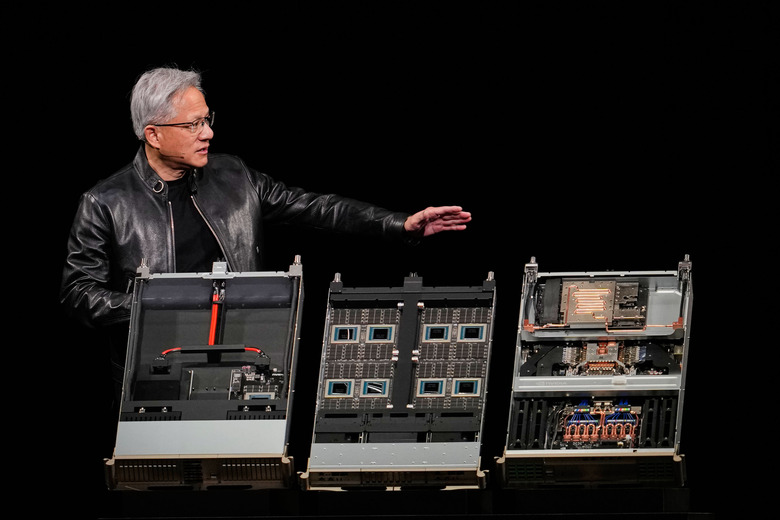
NVIDIA యొక్క ఆధునిక డేటా సెంటర్ GPU — A100, H100 మరియు వాటి వారసులు — Commerce Department మొదటిసారిగా 2022 లో ఎగుమతి నిషేధాలను విధించినప్పటి నుండి U.S.-చైనా సాంకేతిక విరోధం కేంద్రానికి ఉన్నాయి. ఈ ప్రాసెసర్లు పెద్ద AI నమూనాలను శిక్షణ ఇచ్చేందుకు ప్రాధమిక గణన సబ్స్ట్రేట్ మరియు U.S. సర్కారు చైనాకు ప్రాప్యతను పరిమితం చేయడం సంభావ్య సైనిక అనువర్తనాలతో చైనీస్ AI సిస్టమ్ల పరిణామాన్ని నెమ్మదిస్తుందని వాదిస్తుంది.
చైనా Huawei యొక్క HiSilicon వంటి కంపెనీల ద్వారా దేశీయ చిప్ పరిణామానికి సమాధానమిచ్చింది, కానీ U.S. అధికారులు దేశీయ ప్రత్యామ్నాయాలు ఇంకా AI కార్యకలాపాల కోసం NVIDIA యొక్క ముందుండటి ఉత్పత్తుల యొక్క వాట్కు పనితీరు వేర్లో సంవత్సరాల వెనుకగా ఉన్నాయని వర్ణించారు. చైనీస్ కొనుగోలుదారుల నుండి NVIDIA చిప్ల కోసం నిరంతర డిమాండ్ గ్రే మార్కెట్ సృష్టించింది, తస్కరీ మార్గాలు Malaysia, Singapore మరియు United Arab Emirates సహా రెండవ దేశాల ద్వారా కదులుతుంది.

తస్కరీ పयोजన కనీసం ఎలా పనిచేసిందో
నిందితానికి సంబంధించి, ప్రతిఖండనవారు U.S. పంపిణీదారుల నుండి చిప్లను కొనుగోలు చేయడానికి ఫ్రంట్ కంపెనీల నెట్వర్క్ మరియు నకిలీ డాక్యుమెంటేషన్ ఉపయోగించారు, చివరి-వినియోగదారులను గిమిక్ని-నిషేధిత దేశాలలో సంస్థలుగా తప్పుగా ప్రకటించారు, హార్డ్వేర్ను చైనాకు తిరిగి ఎగుమతి చేయడానికి ముందు. ఈ రకమైన తరలింపు పयोజన Commerce Department నిరీక్షకులచే గుర్తించిన అత్యంత సాధారణ చుట్టుపక్కల నిపుణత, ఎవరు మూడవ దేశ లాజిస్టిక్ హబ్ల ద్వారా తరలింపు కనుగొనడానికి మరియు విఘ్నం కలిగించడానికి విదేశీ భాగస్వాములతో కూడా పనిచేసారు.
విచారణ FBI, Commerce Department యొక్క Bureau of Industry and Security, మరియు Homeland Security Investigations మధ్య సమన్వయం చేసిన — సరకారు సాంకేతిక రంగంలో ఎగుమతి నియంత్రణ విధికరణకు ఆదరణ ఇచ్చిన బహు-సంస్థ విధానం. BIS GPU తస్కరీ సమస్యను పరిష్కరించేందుకు విధికరణ సిబ్బందిని మరియు అంతర్జాతీయ భాగస్వామిత్వాన్ని గణనీయంగా విస్తరించింది.
NVIDIA యొక్క స్థానం
NVIDIA సాధారణంగా తన ఉత్పత్తులను వర్తించే ఎగుమతి నిబంధనలకు సమ్మతిలో ఉందని మరియు సర్కారు విచారణలో పూర్తిగా సహకరిస్తుందని చెప్పారు. సంస్థ చిప్లు ఆధికారిక పంపిణీదారు చానెల్లను విడిచిపెట్టిన తర్వాత తన ఉత్పత్తిపై నియంత్రణ లేనని మరియు ఎగుమతి నియంత్రణ చట్టకు నిబద్ధత కోసం బాధ్యత పంపిణీ చేన్లో కొనుగోలుదారులు మరియు విక్రేతలపై ఉందని నమోద్ చేసింది.
ఈ స్థానం విమర్శకులు NVIDIA మరియు ఇతర చిప్ డిజైనర్లు విచలన ప్రమాదాన్ని సూచించే సందేహాస్పద కొనుగోలు నమూనాలను శోధించటానికి ఎక్కువ చేయగలరని వాదిస్తారు — విచారణ మరియు విచారణ రిపోర్టింగ ద్వారా చైనాకు GPU తస్కరీ యొక్క ప్రమాణం స్పష్టమైనందున ఆందోళన తీవ్రమైనది.

విస్తృత విధికరణ ల్యాండ్స్కేప్
ఆరోపణలు చైనీస్ AI చిప్ సరఫరా చేన్లపై చేసే ఆందోళన తీవ్రమైనదిని బ్యాకగ్రౌండ్లో చేసారు. Biden ఆడ్మినిస్ట్రేషన్ అక్టోబర్ 2022 నిషేధాలు తరువాతి నియమ నవీకరణలలో గణనీయంగా విస్తరించారు, మరియు Trump ఆడ్మినిస్ట్రేషన్ నియంత్రణలను నిర్వహించటానికి మరియు నిర్దిష్టంగా కఠిన చేయడానికి సాధారణంగా ఆమర్దన సూచించారు. Commerce Department చైనీస్ సెమీకండక్టర్ మరియు AI సంస్థలను అనేకసార్లు Entity List లో ఉంచారు, లైసెన్సు లేకుండా U.S. సాంకేతికతను అందుకోకుండా నిషేధించారు, దీనిని కొన్నిసార్లు కాబట్టి అందించరు.
నిరోధం మరియు ఏమి తరువాత
చట్టాన్ని అమలు చేసే అధికారులు అభియోగాన్ని నిరోధక సిగ్నల్గా వర్ణించారు — ఎగుమతి నియంత్రణ ఉల్లంఘనలు సివిల్ జరిమానాలకు అదనంగా నిజమైన నేర పరిణామాలను కలిగి ఉంటాయని ప్రదర్శించే ప్రయత్నం. ప్రతిఖండనవారు దోషులుగా కనుగొనబడితే గణనీయ జైలు పదాలను ఎదుర్కోవాలి, మరియు ప్రాసిక్యూటర్లు సూచన యొక్క సర్వాలను సూచించేందుకు నిందితానికి సంబంధించిన సూచనలు సూచన యొక్క సర్వాలను సూచించారు, సంధానానికి సంబంధించిన ప్రస్తావన పూర్తిగా చేసిన తర్వాత అది ప్రస్తావన పూర్తిగా చేసిన తర్వాత చేసిన విధానం. చైనీస్ AI చిప్ సరఫరా ఆచారణ విశ్లేషకుల నుండి, నియంత్రణలు సాధించిన తర్వాత విభిన్న చుట్టుపక్క చానెల్ల ద్వారా చైనీస్ కొనుగోలుదారులకు పరిమిత NVIDIA ఉత్పత్తుల బిలియన్ డాలర్ల విలువ చేరుకోవాలని అంచనా.
ఈ వ్యాసం Engadget ద్వారా రిపోర్టింగ్ ఆధారంగా ఉంది. అసలు కథనం చదువండి.
Originally published on engadget.com