తోకచుక్క గుర్తింపులో చిన్న మార్పు, జీవితచరిత్రలో పెద్ద మార్పు
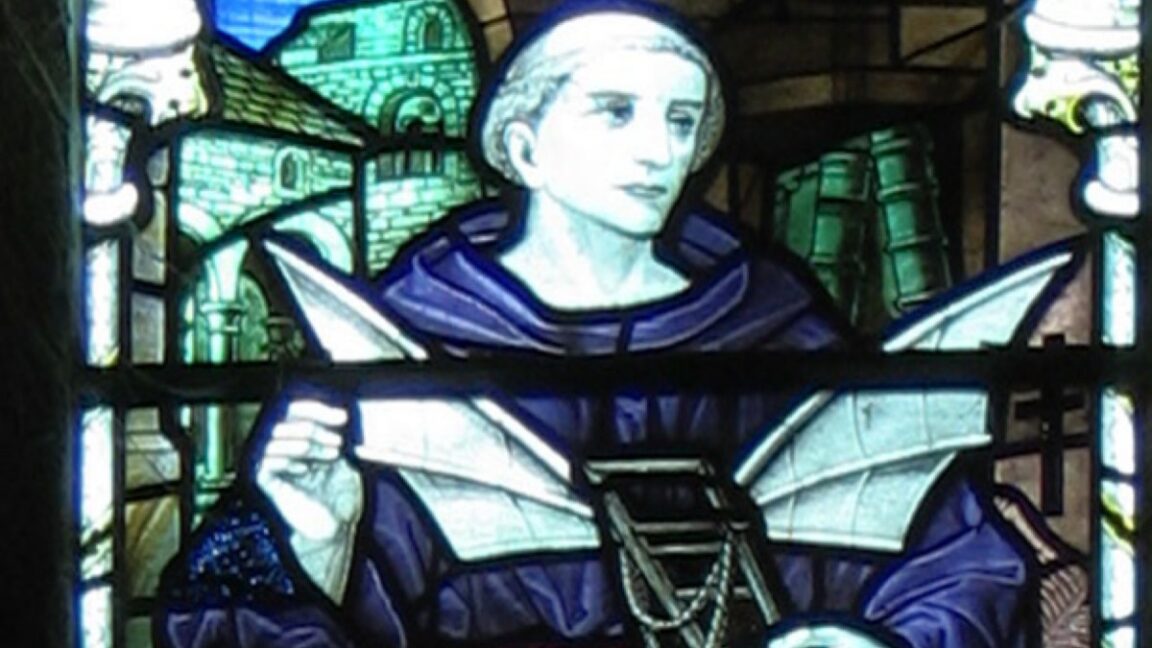
ఒక కొత్త చారిత్రక విశ్లేషణ మధ్యయుగ శాస్త్రీయ చరిత్రలోని అత్యంత అసాధారణ ఘటనలలో ఒకటైన మాల్మ్స్బరీకి చెందిన బెెనెడిక్టిన్ సన్యాసి ఐల్మర్ జీవితాన్ని మళ్లీ తెరపైకి తెస్తోంది. ఐల్మర్ను ఒక ప్రారంభ గ్లైడింగ్ ప్రయత్నం, అలాగే 1066లో హేలీ తోకచుక్కను చూశాడని చెప్పే కథనం రెండింటికీ గుర్తు చేస్తారు. Ars Technica లో వచ్చిన, యూనివర్సిటీ ఆఫ్ లీసెస్టర్ చరిత్రకారుడు జేమ్స్ ఐచెసన్ పేపర్ సారాంశం ప్రకారం, ప్రధాన ప్రశ్న ఏమిటంటే 1066లో ఐల్మర్ చేసిన వ్యాఖ్య 989లో హేలీ తోకచుక్క గత ప్రదర్శనను చూశాడని సూచించిందా, లేక 1018లో మరో తోకచుక్కను చూశాడా అన్నదే.
ఆ తేడా చిన్నదిగా అనిపించొచ్చు, కానీ దాని ప్రభావాలు విస్తృతంగా ఉన్నాయి. ఐల్మర్ నిజంగానే 989లో బాలుడిగా హేలీ తోకచుక్కను చూసి, మళ్లీ 1066లో వృద్ధుడిగా చూసి ఉంటే, ఆయన పుట్టిన సంవత్సరం 984 కంటే ఆలస్యంగా ఉండలేడు. అప్పుడు 1066లో ఆయన 80 ఏళ్ల వయసులో ఉండేవాడు, మరియు ఆయన ప్రసిద్ధ ఎగరే ప్రయత్నం 11వ శతాబ్ద ఆరంభంలో, బహుశా 1000 నుండి 1010 మధ్య, జరిగి ఉండాలి. కానీ ముందరి దర్శనం 1018లోని తోకచుక్కదే అయితే, మొత్తం కాలక్రమం దశాబ్దాల ముందుకు జరగుతుంది.
ఈ పజిల్కు చారిత్రక మూలం
ఈ కథనం 12వ శతాబ్దపు చరిత్రకారుడు విలియం ఆఫ్ మాల్మ్స్బరీ ద్వారా వస్తోంది; ఆయన సుమారు 1125లో రాశారు. ఐల్మర్ తన యువకుడిగా ఉన్నప్పుడు విల్లో చెక్క, వస్త్రంతో రెక్కలు తయారు చేసి, మాల్మ్స్బరీ అబ్బేలోని సుమారు 150 అడుగుల గోపురం నుండి దూకి, సుమారు 600 అడుగులు గ్లైడ్ చేసి, నేలపై బలంగా పడిపోయి రెండు కాళ్లూ విరుచుకున్నాడని విలియం వివరించాడు. ఈ ఘటనకు ఖచ్చితమైన తేదీని ఆయన ఇవ్వలేదు, అందుకే చరిత్రకారులు రికార్డులోని ఇతర సంకేతాల ఆధారంగా దాన్ని ఊహించే ప్రయత్నం చేస్తున్నారు.
అలాంటి ఒక సంకేతం 1066లో తోకచుక్కను చూసినప్పుడు ఐల్మర్ ఇచ్చినట్లు చెప్పే ప్రతిస్పందన. అప్పటికి "వయసు మించిన" స్థితిలో ఉన్న ఆ సన్యాసి, "It is long since I saw you." అన్నాడని విలియం చెబుతాడు. చరిత్రకారులు ఆ మాటను ఐల్మర్ 989లో హేలీ గత ప్రదర్శనను చూశాడనే సాక్ష్యంగా చాలాకాలంగా భావిస్తున్నారు. ఆ వ్యాఖ్యానం ఒక సూటిగా కనిపించే కాలక్రమాన్ని ఇచ్చి, సన్యాసి విమాన ప్రయోగ తేదీని స్థిరపరచడంలో సహాయపడింది.
1018కి అనుకూల వాదన
ఈ పునర్నిర్మాణం చాలా బలమైనవిగా భావించిన కొన్ని అంచనాలపై ఆధారపడిందని ఐచెసన్ వాదిస్తున్నారు. ఆయన దృష్టిలో, ఐల్మర్ 989లోని హేలీ తోకచుక్కను కాకుండా 1018లోని తోకచుక్కను సూచించి ఉండవచ్చు; అది శరదృతువులో సుమారు రెండు వారాలపాటు బ్రిటిష్ దీవుల్లో కనిపించి ఉండొచ్చు. అది నిజమైతే, ఐల్మర్ 1010ల ప్రారంభంలో పుట్టి ఉండవచ్చు, మరియు 1066 నాటికి "వయసు మించిన" వాడిగా పరిగణించబడుతూ కూడా ఆయన 50ల వయసులోనే ఉండేవాడు.
ఆ సవరిస్తున్న కాలక్రమం ఆయన గ్లైడింగ్ ప్రయత్నానికి సంభావ్య తేదీని 1020ల నుండి 1040ల మధ్యకు తరలిస్తుంది. ఇది మధ్యయుగ యాంత్రిక ప్రయోగాల చరిత్రలో ఐల్మర్ విమానం అసాధారణంగా ముందుగానే వచ్చిందన్న ఆధునిక ఊహను కూడా బలహీనపరుస్తుంది. ఆ ఘటన ఇంకా అసాధారణంగానే ఉంటుంది, కానీ దాని కాలస్థానం తక్కువగా స్థిరంగా, బహుశా తక్కువగా పురాణమయంగా కనిపిస్తుంది.
ఒక సన్యాసిని మించి ఇది ఎందుకు ముఖ్యం
ఐల్మర్ కథ ఆకర్షణ ఎప్పటికీ సాంకేతిక ధైర్యం, తుంచుకుపోయిన డాక్యుమెంటేషన్ కలయిక నుంచే వచ్చింది. ఒక తరువాతి చరిత్రకారుడి ప్రకారం, రెక్కలు తయారు చేసి, నియంత్రిత గ్లైడ్ సాధించిన సన్యాసి ఇక్కడ ఉన్నాడు; కానీ కఠినమైన ల్యాండింగ్ ఆ ప్రయోగాన్ని ముగించింది. అది ఎప్పుడు జరిగిందో తెలుసుకోవాలనే ఆసక్తి చరిత్రకారులకు సహజమే; ఐల్మర్ను అర్థం చేసుకోవడానికి మాత్రమే కాదు, ఆ చర్యను మధ్యయుగ యూరప్ విస్తృత మేధో వాతావరణంలో ఉంచడానికి కూడా.
ఐచెసన్ వాదన, ఆధునికానికి ముందు చరిత్రలో కాలక్రమం చిన్న చిన్న వ్యాఖ్యాన నిర్ణయాలపై ఎంత ఆధారపడి ఉంటుందో గుర్తు చేస్తుంది. ఒక్క వాక్యం, గుర్తున్న ఒక ఖగోళ సంఘటన, లేదా "వయసు మించిన" వంటి అస్పష్టమైన వివరణ కూడా తరాలపాటు ఒక మొత్తం కథనాన్ని స్థిరపరచగలదు. ఆ భాగాలను తిరిగి చదవడం అంటే టైమ్లైన్లో తేదీ మార్చడమే కాదు. తరువాతి పాఠకులు మధ్యయుగ ప్రపంచంలో సాంకేతిక ఆశయం, జ్ఞాపకం, పరిశీలనలను ఎలా ఊహించుకుంటారో కూడా మార్చుతుంది.
తోకచుక్క ప్రశ్న 11వ శతాబ్దంలో ప్రజలు ఆకాశాన్ని ఎంత భిన్నంగా అనుభవించారో కూడా చూపిస్తుంది. ఒక ప్రకాశవంతమైన తోకచుక్క సముదాయాలన్నింటిలో కనిపించే, మత, రాజకీయ, వ్యక్తిగత రూపకాలలో అర్థం చేసుకునే ఒక భారీ ప్రజా సంఘటనగా ఉండేది. 1066లోని తోకచుక్కపై ఐల్మర్ గుర్తు చేసుకున్న భయం దీనిని స్పష్టంగా చూపిస్తుంది. ఆయన దాన్ని తాను ముందు చూసిన అదే వస్తువుగా భావించాడా లేదా అనేది చారిత్రకంగా ముఖ్యం; కానీ ఆ దృశ్యమే ఒక జీవితాంతాన్ని గుర్తుంచుకునేలా చేసింది అన్న విషయమూ అంతే ముఖ్యం.
సంకుచితమైన దావాలతో మెరుగైన చరిత్ర
కొత్త వాదన బలం సంపూర్ణ నిర్ధారణ ఇవ్వడంలో లేదు. అది దావాను సంకుచితం చేసి, వారసత్వంగా వచ్చిన ఒక అంచనాను సవాలు చేయడంలో ఉంది. 989 వ్యాఖ్యానాన్ని తేలిపోయినదిగా పరిగణించకుండా, ఇది ఆధారాల ఫైలును తిరిగి తెరిచి, తర్వాతి పుట్టిన సంవత్సరం పూర్తిగా సాధ్యమేనని చూపిస్తుంది. మంచి చారిత్రక పునర్వ్యాఖ్యానం తరచూ ఇలాగే పనిచేస్తుంది: ఒక పురాణాన్ని మరో పురాణంతో మార్చడం ద్వారా కాదు, నిర్ధారణ చాలా సౌకర్యవంతంగా మారిన చోట అనిశ్చితిని తిరిగి స్థాపించడం ద్వారా.
- విలియం ఆఫ్ మాల్మ్స్బరీ ఐల్మర్ గ్లైడింగ్ ప్రయత్నం, తోకచుక్క వ్యాఖ్యను నమోదు చేశారు.
- చాలా మంది చరిత్రకారులు ఆ వ్యాఖ్యను హేలీ 989 ప్రదర్శనతో అనుసంధానించారు.
- జేమ్స్ ఐచెసన్, ఐల్మర్ 1018లోని తోకచుక్కను చూసి ఉండవచ్చని వాదిస్తున్నారు.
- అలా అయితే, ఐల్మర్ వయస్సు మరియు ఆయన ఎగరడం జరిగిన సంభావ్య తేదీ దశాబ్దాల ముందుకు సడలుతుంది.
ఈ వ్యాసం Ars Technica నివేదికల ఆధారంగా రూపొందింది. అసలు వ్యాసాన్ని చదవండి.
Originally published on arstechnica.com
