Anthropic యొక్క కొత్త standard, AI agentsను నిజ ప్రపంచ యంత్రాలతో కలపాలని లక్ష్యంగా పెట్టుకుంది
Anthropic, Model Hardware Standard లేదా MHS అని తాను పిలిచే ఒకదాన్ని పరిచయం చేసింది. ఇది AI agentsకు భౌతిక devicesతో ఇంటర్ఫేస్ చేయడానికి ఒక సాధారణ మార్గాన్ని ఇవ్వడానికి రూపొందించిన research-preview framework. ఆలోచన సాదారణమే, కానీ ఫలితాలు గణనీయమైనవిగా ఉండవచ్చు: workflowలోని ప్రతి microscope, camera, robotic arm, laser system, లేదా ఇతర machine కోసం custom software links అవసరం లేకుండా, MHS shared drivers మరియు data formats సమితిని అందించి, systems ఒకే standardized layer ద్వారా పరస్పరం కమ్యూనికేట్ చేయడానికి ఉద్దేశించబడింది.
ఇది ముఖ్యమైనది, ఎందుకంటే నేటి agentic AI కార్యకలాపాల్లో ఎక్కువ భాగం ఇంకా digital environmentsలోనే పరిమితం అయి ఉంది. Models ఇప్పటికే text సృష్టించగలవు, code రాయగలవు, imagesను మార్చగలవు, మరియు software tools లోపల చర్యలు తీసుకోగలవు. కానీ ఆ ప్రపంచం నుంచి physical systemsకి వెళ్లడం కష్టం. నిజమైన equipment vendors, protocols, మరియు ఒక్కోసారి మాత్రమే ఉపయోగించే interfacesలో చెల్లాచెదురుగా ఉంది, మరియు ఒక automated workflow నడవక ముందు వాటిని కలపడానికి తరచూ weeks లేదా months engineering work అవసరం అవుతుంది.
MHS ఈ integration భారాన్ని తగ్గించగలదని Anthropic చెబుతోంది. కంపెనీ వివరణ ప్రకారం, standard ఉపయోగించే devices network ద్వారా dataను పంచుకోగలవు మరియు instructionsను స్వీకరించగలవు, ప్రతి connectionకు వేరు translator అవసరం లేకుండా. ఆచరణలో, అది చిందరవందరగా ఉన్న lab లేదా industrial setupను automation కోసం common operating environmentకు దగ్గరగా మార్చగలదు.
మొదటి లక్ష్యం scientific research ఎందుకు
Anthropic మొదట MHSను consumer robotics లేదా factory automation కంటే science చుట్టూ స్థాపిస్తోంది. ఈ research preview, experiment design మరియు executable setup మధ్య తరచూ నిలిచే custom software workను scientists తప్పించుకోవడానికి సహాయపడాలని కంపెనీ చెబుతోంది. అనేక advanced labsలో, వేర్వేరు suppliers నుండి వచ్చిన instrumentsను ఖచ్చితంగా synchronize చేయాలి, కానీ అవి ఒకే భాష మాట్లాడేలా ఎప్పుడూ నిర్మించబడలేదు.
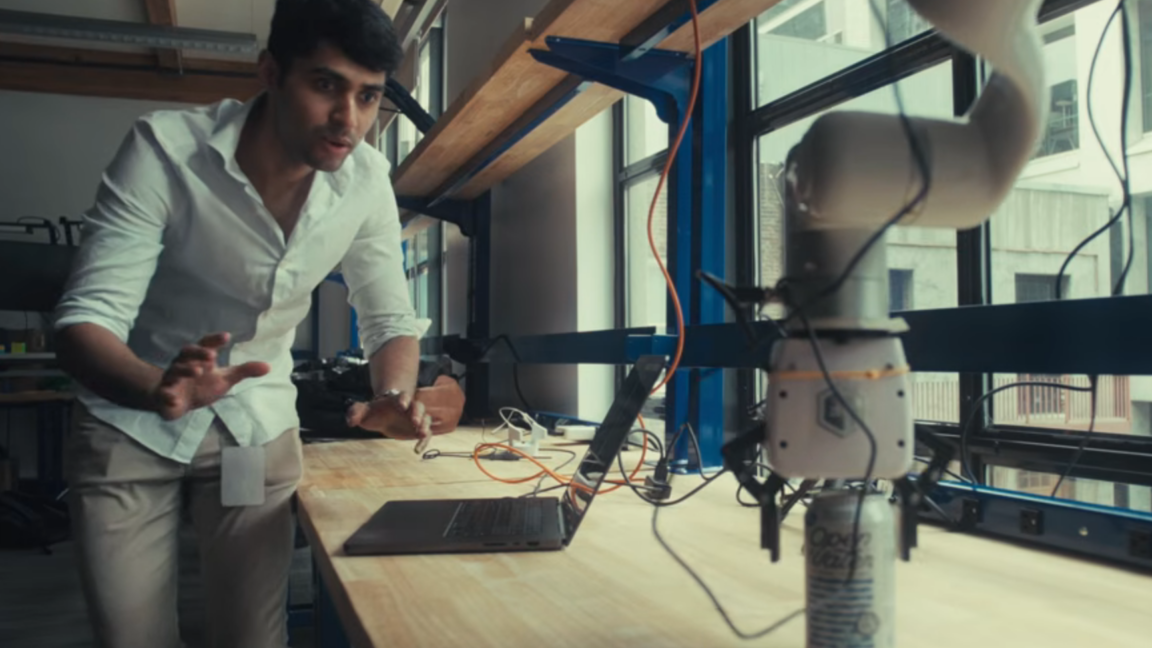
ప్రకటనతో పాటు ఇచ్చిన వివరాల్లో, Virginiaలోని Ashburn వద్ద ఉన్న Howard Hughes Medical Institute యొక్క Janelia Research Campusలో జరిగిన పనినుంచి ఈ project ప్రేరణ పొందిందని Anthropic తెలిపింది. అక్కడ neuroscientist Arco Bast, మెదడులో memory formationను అధ్యయనం చేస్తూ rotating lasers, microscopes, cameras, మరియు ఇతర experimental componentsను shared interface ద్వారా సమన్వయించే విధానాన్ని అభివృద్ధి చేశాడు. Anthropic technical staffer Alek Kemeny, ఆ ఉదాహరణ పెద్ద అవకాశాన్ని సూచించిందని చెప్పాడు: ఒక lab క్లిష్టమైన experiment కోసం unifying control layerను సృష్టించగలిగితే, standardized approach AI చివరికి మరెన్నో experimental systemsను నడపడానికి లేదా సమన్వయం చేయడానికి అనుమతించగలదు.
సమీపకాల వాగ్దానం పూర్తిగా autonomous science అంత నాటకీయంగా కాకపోయినా, ముఖ్యమైనదే. Anthropic వాదన ప్రకారం MHS integration workను నెలల నుండి గంటలు లేదా నిమిషాలకు తగ్గించగలిగితే, sophisticated experimental setupsను automate చేసే అవకాశాన్ని ఎవరు పొందుతారన్నదాన్ని అది మార్చగలదు. నేడు ఆ సామర్థ్యం తరచూ అసాధారణంగా బలమైన in-house engineering talentపై ఆధారపడి ఉంటుంది. ఒక standard interface automationను labs మరియు institutions మధ్య మరింత portableగా మార్చి, instrumentsను connect చేయడం, runsను orchestrate చేయడం, మరియు structured dataను మరింత స్థిరంగా capture చేయాలనుకునే teamsకు frictionను తగ్గించగలదు.

AI feature మాత్రమే కాదు, ఒక translation layer
ప్రకటనలో ఒక ముఖ్యమైన అంశం ఏమిటంటే MHSను AI-only infrastructureగా చూపలేదు. standardకు మద్దతు ఇచ్చే devicesను language model లేకుండా కూడా command-line prompts మరియు API code files ద్వారా నేరుగా నియంత్రించవచ్చని Anthropic చెబుతోంది. ఈ framing ముఖ్యమైనది, ఎందుకంటే ఇది standardను Claude కోసం marketing wrapperగా కాకుండా, తన సొంత సాంకేతిక విలువలపై నిలబడగల interoperability layerగా చూపుతుంది.
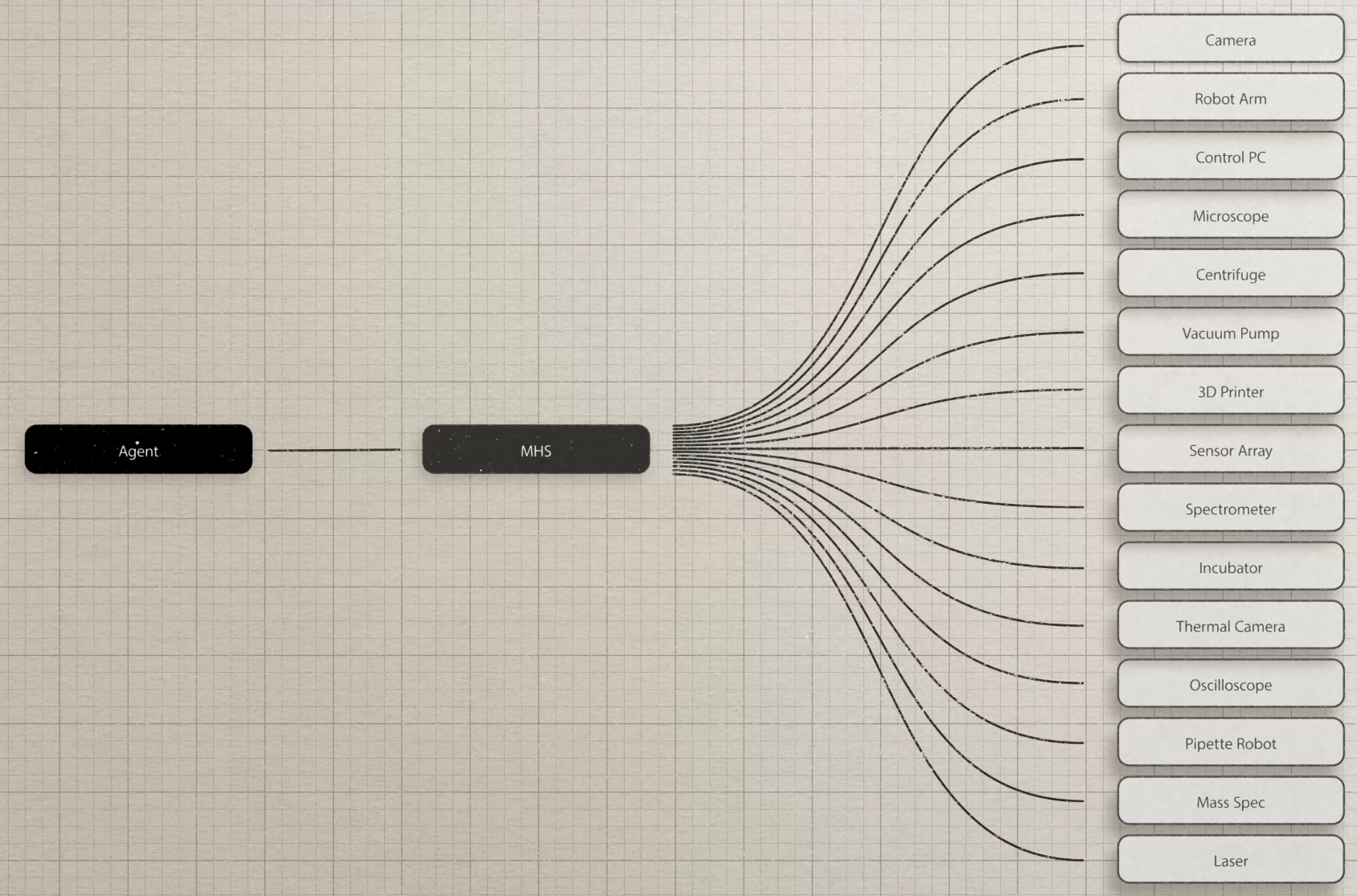
AI కోణం MHSను Model Context Protocolతో జత చేసినప్పుడు వస్తుంది, ఇది modelsను tools మరియు external systemsతో అనుసంధానించడానికి ఉద్దేశించిన మరో Anthropic-backed ప్రయత్నం. ఈ రెండు layersను కలిపితే, ఒక model అందుబాటులో ఉన్న devicesను అర్థం చేసుకుని, shared control interface ద్వారా instructions ఇవ్వగలిగి, ప్రతి instrument pairingకు custom glue code లేకుండానే structured feedbackను పొందగల ఒక stack ఏర్పడుతుంది.
ఈ విధానం physical AIలోని అతిపెద్ద bottlenecksలో ఒకదాన్ని పరిష్కరిస్తుంది: reasoning మాత్రమే కాదు, నమ్మదగిన action. ఒక model steps క్రమాన్ని ప్రణాళిక చేయగలదు, కానీ hardware predictable controls మరియు readable statesను అందించినప్పుడు మాత్రమే ఆ plans ఉపయోగపడతాయి. MHS ఆ లోటైన consistencyను అందించడానికి ప్రయత్నిస్తోంది.
Adoption జరిగితే ఇది ఏమి మార్చగలదు
MHS ప్రాముఖ్యత ప్రకటనకన్నా device makers, labs, మరియు automation teams దీనిని స్వీకరిస్తారా లేదా అన్నదానిపై ఎక్కువగా ఆధారపడి ఉంటుంది. Standards అనేక పక్షాలు వాటి చుట్టూ నిర్మించడానికి అయ్యే ఖర్చును అంగీకరించినప్పుడు మాత్రమే శక్తివంతమవుతాయి. MHS, Anthropic demosకు అనుబంధమైన ఒక సంకుచిత research previewగా మిగిలిపోతే, దాని ప్రభావం పరిమితంగా ఉంటుంది. instruments మరియు workflows అంతటా మద్దతు పొందితే, AI advisory software నుండి physical systemsను activeగా coordinate చేసే విస్తృత మార్పును వేగవంతం చేయగలదు.
Scientific labs ఒక స్పష్టమైన మొదటి proving ground, ఎందుకంటే వాటిలో ఇప్పటికే వైవిధ్యభరితమైన, software-controlled hardware ఉంటుంది మరియు integration time ఖరీదైన high-value workflowsను అవి ఉత్పత్తి చేస్తాయి. కానీ underlying logic research దాటి చాలా ముందుకు వెళ్లగలదు. networked devices, machine-readable outputs, మరియు పునరావృత configuration work ఉన్న ఏ వాతావరణమైనా ఒక common control layer నుండి ప్రయోజనం పొందగలదు.
అది standard ప్రతి సవాలును పరిష్కరిస్తుందని కాదు. Physical systems, chatbot లేదా coding assistant కంటే ఎక్కువ కఠినమైన reliability, safety, calibration, మరియు supervision అవసరాలను తీసుకొస్తాయి. ఒక common interface orchestrationను సులభం చేయగలదు, కానీ AI machineryపై చర్య తీసుకునే అనుమతి పొందినప్పుడు guardrails అవసరాన్ని తొలగించదు. అలాగే models అనిశ్చితమైన లేదా అధిక ప్రమాద పరిస్థితుల్లో మంచి నిర్ణయాలు తీసుకుంటాయనే హామీ ఇవ్వదు.
అయినా కూడా, Anthropic తీసుకున్న ఈ చర్య గమనించదగ్గది; ఎందుకంటే ఇది digital agents నుండి embodied లేదా device-linked AI వైపు మార్పును నెమ్మదింపజేసిన ఒక ప్రాక్టికల్ అడ్డంకిని లక్ష్యంగా చేస్తోంది. physical worldపై AI control గురించి పరిశ్రమ చర్చలో చాలా భాగం model capabilityపై దృష్టి పెట్టింది. దానికి బదులుగా MHS plumbingపై దృష్టి పెడుతోంది: drivers, formats, interfaces, ఇవే సామర్థ్యవంతమైన models వాస్తవ equipmentతో నిజంగా ఉపయోగకరమైన పని చేయగలవా అనే దాన్ని నిర్ణయిస్తాయి.
ప్రకటనలో అతి ముఖ్యమైన సంకేతం అది కావచ్చు. Anthropic కేవలం AI machinesను నియంత్రించాలి అని వాదించడం లేదు. అక్కడికి వెళ్లే మార్గం standardization ద్వారా వెళ్తుందని అది సూచిస్తోంది. ఆ thesis నిజమని రుజువైతే, agentic AI యొక్క తదుపరి దశ intelligenceలో నాటకీయ దూకుడులకన్నా hardwareను అర్థం చేసుకోగలిగే, address చేయగలిగే, మరియు విస్తృతంగా interoperableగా మార్చే నిశ్శబ్ద పనిపై ఎక్కువగా ఆధారపడి ఉండవచ్చు.
ఈ వ్యాసం Ars Technica నివేదిక ఆధారంగా ఉంది. మూల వ్యాసాన్ని చదవండి.

Originally published on arstechnica.com