Directed Energy Arrives on the High Seas
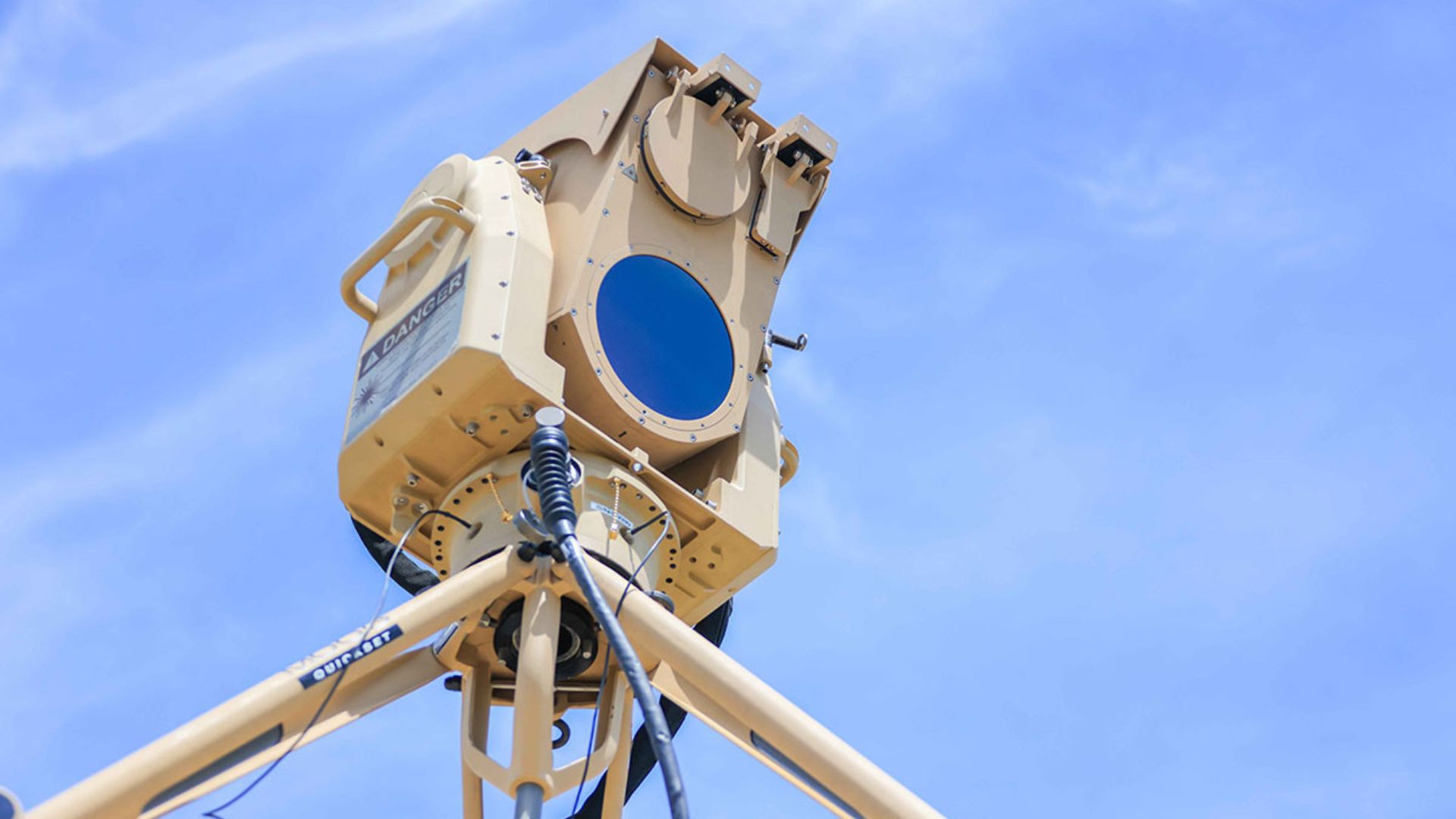
The guided-missile destroyer USS Preble (DDG-88) has achieved a significant milestone in the development of shipboard directed-energy weapons, successfully engaging and destroying four unmanned aerial vehicles during live-fire testing in the Pacific. The engagements were conducted using the High Energy Laser with Integrated Optical-dazzler and Surveillance (HELIOS) system, a 60-kilowatt-class laser weapon developed by Lockheed Martin and integrated into the ship's Aegis combat system.
The tests, conducted over several days at the Pacific Missile Range Facility off the coast of Hawaii, demonstrated the HELIOS system's ability to detect, track, and engage small drone targets at operationally relevant ranges. All four engagements resulted in the destruction of the target, with the laser burning through the drone airframes in a matter of seconds. The results represent the most successful shipboard laser weapon test to date and mark a critical step toward the operational deployment of directed-energy defenses aboard US Navy warships.
How HELIOS Works
The HELIOS system combines a high-energy fiber laser, a sophisticated beam-control system, and a multi-function optical sensor suite into a single weapon station that can be installed aboard Arleigh Burke-class destroyers. The system is designed to operate as part of the ship's existing Aegis combat system, receiving targeting data from the ship's radar and other sensors and engaging threats under the direction of the combat information center.
At 60 kilowatts, the HELIOS represents a meaningful increase in power over earlier shipboard laser prototypes. The Navy's previous Laser Weapon System (LaWS), deployed aboard the USS Ponce in 2014, operated at approximately 30 kilowatts and was capable of engaging small boats and drones at short range. The HELIOS roughly doubles that power output, extending the effective engagement range and reducing the time required to disable or destroy a target.
The Physics of Laser Defense
Directed-energy weapons destroy targets by concentrating a beam of coherent light on a specific point, heating the material until it fails structurally or its internal components are destroyed. Against small drones, which are typically constructed from lightweight composite materials and carry volatile lithium-polymer batteries, the effect can be dramatic — the laser can burn through the airframe in seconds, causing the drone to break apart or ignite in flight.
The advantage of a laser over a conventional kinetic weapon — a missile or a gun — is primarily economic. A single engagement with the HELIOS costs roughly the equivalent of the electricity needed to power it, estimated at a few dollars per shot. By contrast, a Rolling Airframe Missile (RAM), the Navy's current primary short-range air defense weapon, costs approximately $1 million per round. When defending against swarms of cheap drones, the cost-per-engagement advantage of a laser is transformative.
There are limitations, however. Laser weapons are affected by atmospheric conditions — rain, fog, humidity, and sea spray can all degrade beam quality and reduce effective range. The 60-kilowatt power level, while sufficient for small drones, is not yet adequate for engaging faster, more durable threats like anti-ship cruise missiles. And the system's power demands place additional strain on a warship's electrical generation capacity, which is already under pressure from modern radar and electronic warfare systems.
Integration With Aegis
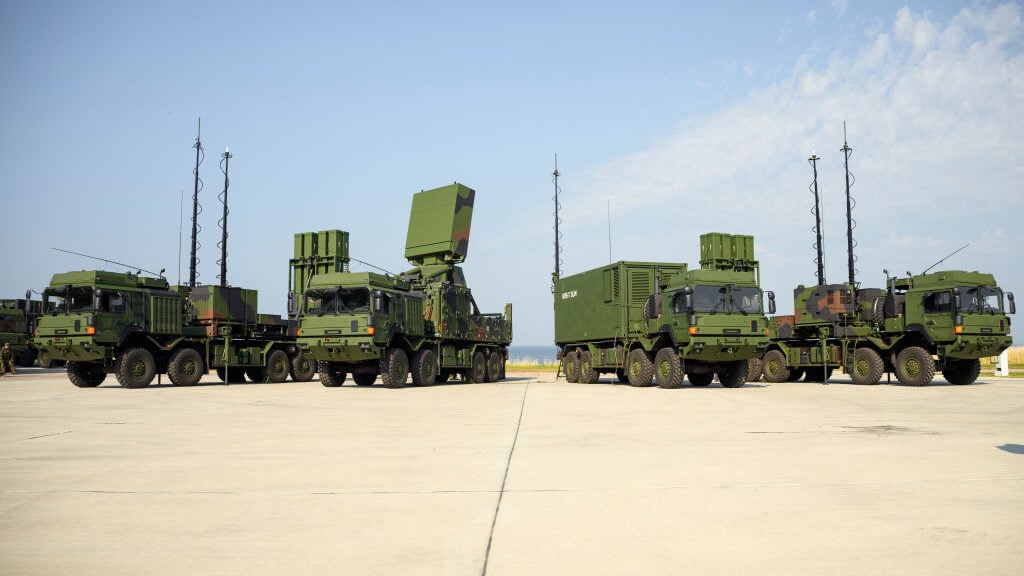
One of the most significant aspects of the HELIOS testing is the system's integration with the Aegis combat system, the computerized weapons-control architecture that forms the backbone of US and allied naval air defense. By tying the laser directly into Aegis, the Navy can employ HELIOS as just another weapon in the ship's defensive arsenal, with the combat system automatically selecting the most appropriate weapon — missile, gun, electronic warfare, or laser — for each incoming threat.
This integration allows the ship to reserve its limited supply of expensive interceptor missiles for the most dangerous threats, such as supersonic anti-ship missiles, while using the laser to handle the cheaper, more numerous threats that might otherwise exhaust the ship's magazine. In a scenario involving a coordinated attack with both cruise missiles and drone swarms, this layered approach could be the difference between surviving the engagement and running out of missiles before the attack is over.
Operational Scenarios
The Houthi attacks on commercial shipping in the Red Sea have provided a stark illustration of why shipboard laser weapons are needed. US Navy destroyers deployed to the region have expended dozens of Standard Missiles and Evolved Sea Sparrow Missiles to counter Houthi drones and anti-ship missiles, at a cost of millions of dollars per engagement. The USS Carney alone reportedly fired more than 25 missiles during a single night of defensive operations in late 2023. At that rate of expenditure, a destroyer's magazine can be depleted in days.
A laser weapon like HELIOS would not replace missiles in these scenarios, but it would provide a complementary capability that could dramatically reduce missile expenditure. Slower, less maneuverable threats like Shahed-type drones could be engaged with the laser, preserving missiles for the faster, more dangerous weapons in the Houthi arsenal.
The Road to Higher Power
The Navy views the 60-kilowatt HELIOS as a stepping stone toward more powerful shipboard lasers. Programs are already underway to develop 150-kilowatt and 300-kilowatt systems that would be capable of engaging a wider range of threats, including fast-moving anti-ship cruise missiles and even some ballistic missile targets. The Office of Naval Research has indicated that a 300-kilowatt system could be ready for fleet deployment by the end of the decade.
Achieving these higher power levels will require advances in thermal management — removing the waste heat generated by the laser — and in the electrical generation capacity of naval vessels. The Navy's next-generation DDG(X) destroyer, currently in development, is being designed with significantly more electrical generation capacity than the Arleigh Burke class, in part to accommodate high-power directed-energy weapons.

Analysis: A Promising Capability With Realistic Limitations
The USS Preble's successful HELIOS tests are a genuine milestone, not mere hype. The destruction of four drone targets under operationally relevant conditions demonstrates that shipboard laser weapons have moved beyond the laboratory and into the realm of practical military capability. The integration with Aegis is particularly important, as it means the laser can be employed within existing operational frameworks rather than requiring entirely new procedures and training.
However, it is important to maintain perspective. A 60-kilowatt laser is effective against small, slow, fragile drones. It is not a silver bullet against the full spectrum of aerial threats a warship might face. Weather limitations, power constraints, and the relatively modest effective range compared to missile systems mean that HELIOS is a complement to, not a replacement for, conventional weapons.
The real significance of the Preble's tests lies in what they portend for the future. If the Navy can scale laser power to 150 kilowatts and beyond while maintaining reliability in the harsh maritime environment, directed-energy weapons could fundamentally alter the economics of naval air defense. That future is still years away, but the four drones that fell from the sky over Hawaii suggest it is closer than many skeptics believed.
This article is based on reporting by navalnews.com. Read the original article.
Originally published on navalnews.com