US ఆర్మీ నియోగించని సర్వశక్తిమాన లేజర్
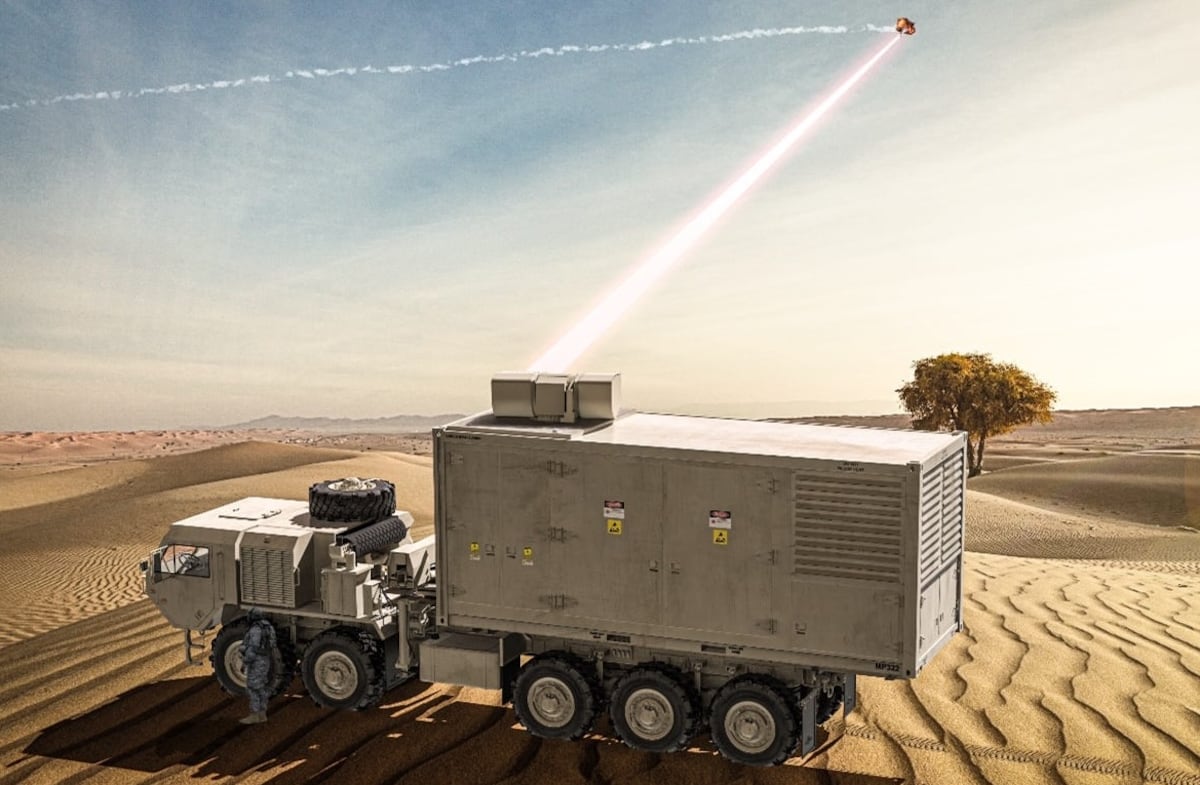
US ఆర్మీ directed energy యుద్ధ చరిత్రలో ఐతిహాసిక మైలురాయి ఉండేది ఆయుధం నుండి దూరంగా కదులుతోంది. Indirect Fire Protection Capability-High Energy Laser, IFPC-HEL గా పిలువబడిన, 300 కిలోవాట్ల output power వరకు చేరుకుంది - ఒక థ్రెషోల్డ్ cruise missiles, artillery shells మరియు చిన్న drones లను speed-of-light lethality తో ఓడ్డీకోవటానికి సరిపోతుందని US ఆర్మీ యొక్క స్వంత directed energy పరిశోధకులు మునుపు చెప్పారు. కానీ సిస్టమ్ program of record కు మారదు, మరియు operational fielding ముందే దీనిని త్యజించే నిర్ణయం directed energy కార్యక్రమాలకు ఒక ముఖ్యమైన పతనం, ఇవి గత రెండు దశకాలలో billions డాలర్ల పరిశోధన పెట్టుబడిని లీసి చేసాయి.
ఈ నిర్ణయం directed energy టెక్నాలజీ ఒక concept గా ఖండన కాదు. బదులుగా, ఇది నియంత్రిత పరీక్ష పరిస్థితులలో లేజర్ పనితీరు మరియు soldiers ద్వారా నియోగించబడవలసిన ఆయుధం యొక్క ఆచరణాత్మక అవసరాల మధ్య నిరంతరం ఉద్భవించే ఖాళీని ప్రతిబింబిస్తుంది విరోధీ పరిస్థితులలో నిజమైన logistical పరిమితులతో.
300 కిలోవాట్ ఏమి చేయవలసి ఉంది
Indirect fire - artillery rockets, mortars, మరియు cruise missiles - forward-operating bases మరియు logistics nodes కోసం అత్యంత నిరంతర మరియు కష్టమైన ప్రమాదాల్లో ఒకటి ప్రతినిధిత్వం చేస్తుంది. ప్రస్తుత counter-rocket, artillery, మరియు mortar systems Phalanx close-in weapon system మరియు C-RAM వంటివి ప్రభావవంతమైనవి కానీ per engagement ఖరీదైనవి, kinetic interceptors పై ఆధారపడతాయి ఇవి నిరసన ప్రమాదాలను ఓడ్డీకోవటానికి shot కు పది వేల డాలర్ల ఖర్చ చేస్తాయి ఇవి ఒక భిన్నం ఖర్చ చేసి volume లో తయారు మరియు ప్రయోగించవచ్చు.
ఈ ప్రమాదాలను engage చేయగల high-energy లేజర్ సిస్టమ్ theoretically విప్లవాత్మక economics ప్రదానం చేస్తుంది: per engagement ఖర్చు essentially విద్యుత్ ఖర్చుకు తగ్గిపోతుంది, సిస్టమ్ యొక్క capital cost amortize చేసిన తర్వాత. massed drone swarms లేదా saturation rocket attacks కు వ్యతిరేకంగా - threat scenarios Ukraine మరియు Middle East యొక్క conflicts తర్వాత వేగంగా వాస్తవం అయిపోయాయి - లేజర్ targets పై dwell చేయగలిన మరియు incoming rounds కన్నా వేగంగా అవరోధం చేయగలిన air defense యొక్క economics లో సంభావ్య game-changer ప్రతిනిధిత్వం చేస్తుంది.
300 కిలోవాట్లో IFPC-HEL power levels వరకు చేరుకోవటానికి నిర్ణీతమైనది చిన్న drones మరియు mortar rounds కు విరుద్ధంగా ఈ engagements మరింత challenging targets కు విరుద్ధంగా సాధ్యం అయిపోయే బిందువు కోసం మీరు demonstration programs లో tested చిన్న-power lasers కు ఎదుర్కోవటానికి.
ఇది cut చేయటలో ఎందుకు విఫలమైనది
ఆర్మీ IFPC-HEL cancellation కు పాత్రపడిన నిర్దిష్ట technical లేదా programmatic failures యొక్క comprehensive public accounting ప్రచురించలేదు. ఈ విధమైన defense acquisition నిర్ణయాలు ఎటువంటి సందర్భాలలో ఒక చిన్న కారణానికి reducible, మరియు official భాష interpretation కు గణనీయ ఖాళీ వదిలివేస్తుంది.
Directed energy కార్యక్రమాలకు పరిచితమైన observers అనేక recurring challenges యందు సూచిస్తాయి. Beam quality మరియు atmospheric propagation indirect fire defense కోసం required range మరియు engagement geometry సందర్భంలో, అనేక laboratory demonstrations యొక్క చెప్పటానికి benign పరిస్థితుల కన్నా ఎక్కువ demanding. High-humidity మరియు dusty పరిస్థితులు - సరిగ్గా ఆ పరిస్థితులను many theaters లలో సాధారణమైనవి ఆర్మీకు చాలా అవసరమైన సిస్టమ్ - లేజర్ performance గణనీయంగా degrade చేస్తుంది. 300 కిలోవాట్ సరిహద్దులో thermal management కోసం massive coolant systems అవసరం ఉంటుంది vehicle mobility కు విరుద్ధంగా చేస్తుంది లేదా duty-cycle limitations ఇవి sustained engagements నిర్వహించే సిస్టమ్ యొక్క సామర్థ్యం కుదించుతాయి.
Integration with existing fire control మరియు sensor networks కూడా historically directed energy systems కోసం చేలెంజ్. లేజర్ weapon ఇది isolation లో superbly పనిచేస్తుంది limited value కు చేస్తుంది rapidly existing radar infrastructure ద్వారా cue చేయలేనిచో మరియు integrated air defense architecture యొక్క ఇతర layers సహ coordinate చేయలేనిచో.
విస్తృత directed energy ప్రకృతిదృశ్యం
IFPC-HEL cancellation అర్థం ఆర్మీ directed energy పూర్తిగా abandon చేస్తోందని కాదు. Lower-power కార్యక్రమాలు, 50-కిలోవాట్ Directed Energy-Maneuver Short Range Air Defense system కలిసి, ముందుకు సాగుతుంది. ఈ మరింత modest systems చిన్న targets కు వ్యతిరేకంగా reliable performance ప్రదర్శించినవి మరియు fielding నిర్ణయాల కోసం అవసరమైన operational maturity దగ్గరలో ఉన్నవి.
Navy shipboard లేజర్ systems తో మరింత consistent ప్రగతి చేసినది, భాగంలో naval platforms మరింత stable mounting సందర్భాలు, కుండ restrictive పరిమాణం మరియు weight constraints, మరియు high-energy lasers సరిపోయే electrical power కు మరింత dependable access ప్రదానం చేస్తున్నందున. Laser Weapon System Demonstrator మరియు దాని successors surface combatants పై sustained operational deployments పొందినవి, real operational data ప్రదానం చేస్తూ land-based కార్యక్రమాలు match చేయటానికి struggle చేస్తున్నవి.
ఏమి సరిపోయింది
Directed energy పరిశోధన సమాజం IFPC-HEL కార్యక్రమం యొక్క technical మరియు integration చేలెంజ్ లకు నుండి నిస్సందేహంగా తెలుసుకుంటుంది, specific system abandon చేయపడుతున్నప్పటికీ. Fundamental physics - beam quality అవసరాలు, thermal management చేలెంజ్ లు, atmospheric propagation ఆస్తులు - ఈ కార్యక్రమానికి unique కాదు. 300-కిలోవాట్ సిస్టమ్ military అవసరాలను కలిసి చేయటలో ఎందుకు విఫలమైనది తెలుసుకోవటం next-generation systems యొక్క design కోసం విలువైన input.
Adversarial ఇతిహాస్ నిశ్చలం కాదు. Russia, China, మరియు అనేక ఇతర nations active directed energy weapon కార్యక్రమాలను కలిగి ఉన్నాయి, మరియు system మరియు సంభావ్య విలువ massed drone attacks కు near-zero marginal cost చేయటకు ఓడ్డీకోవగలిన ఇది ఒకటిగా IFPC-HEL కార్యక్రమం introduce చేసినపుడు ఉద్భవించింది. ఆర్మీ యొక్క ఈ particular system నుండి దూరంగా సరిపోయిన నిర్ణయం ఎక్కువ ఉంటుంది, surrender కాదు, long-running ప్రయత్నం speed-of-light weapons కు battlefield కు తీసుకు రావటానికి.
ఈ నిబంధన Defense News పరిశోధన పై ఆధారపడుతుంది. నిబంధన చదువుకోండి।
Originally published on defensenews.com