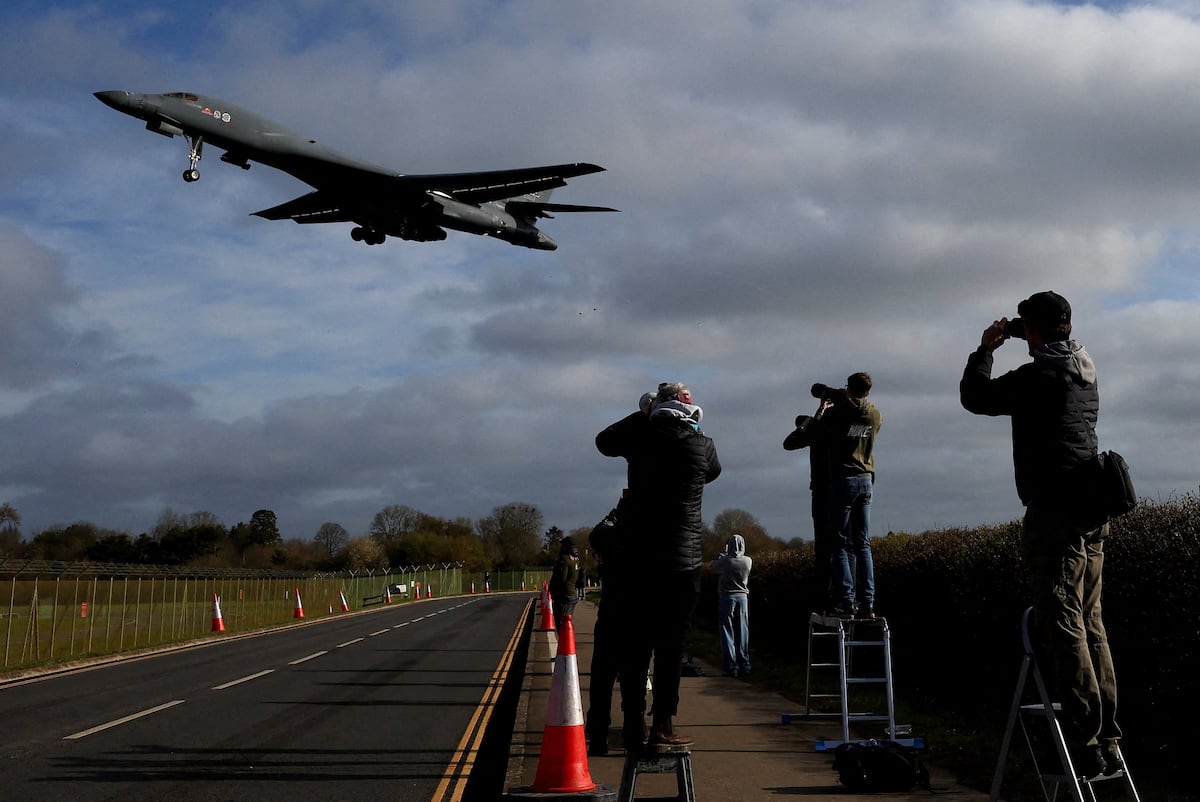
ఇరాన్కు US సైనిక ప్రతిస్పందనలో బ్రిటన్ చేరినట్లు
యునైటెడ్ కింగ్డమ్ ప్రాంతంలో వాణిజ్య మరియు నాళిక నౌకలను లక్ష్యంగా చేసుకున్న ఇరాన్ క్షిపణి సైట్ల పై US దాడులకు సహాయం చేయడానికి బ్రిటిష్ సైనిక స్థావరాలను ఉపయోగించుకోవడానికి అధికారికంగా ఆమోదం ఇచ్చింది, ఇది రక్షణ వనరుల నుండి విస్తారంగా నివేదించబడింది. ఈ నిర్ణయం Operation Epic Fury అని పేర్కొన్న సమన్వయ పాశ్చాత్య సైనిక ప్రతిస్పందనకు సంబంధిత మిత్ర సంపృక్తతలో గణనీయమైన వృద్ధిని సూచిస్తుంది - ఇరాన్ సమర్థ సముద్ర దూషణ ప్రచారానికి సమన్వయ పాశ్చాత్య సైనిక ప్రతిస్పందన.
ఈ అనుమతి తూర్పు ప్రాంతంలో పటిష్ఠక కార్యకలాపాల కోసం US శక్తులను రాయల్ ఎయిర్ ఫోర్స్ మరియు ఇతర బ్రిటిష్ బేస్ల నుండి ఉపయోగం కోసం అనుమతిస్తుంది, అమెరికన్ విమానాలు మరియు ఆస్తులను ఎక్కువ కార్యకలాప సరళత మరియు పరిధిని ఇస్తుంది. UK నిర్ణయం ప్రధానమంత్రి సిద్ధాంతాలు మరియు హోয়াइట్ హౌస్ మధ్య సంప్రదింపుల తరువాత ప్రభుత్వ సర్వోచ్చ స్థరాలలో చేరినట్లు నివేదించబడింది, అంతేకాక ఇరాన్ క్షిపణి దాడులు ప్రాంతంలో వాణిజ్య షిప్పింగ్ మరియు సమర్థక మిత్ర ఆస్తులను ప్రమాదానికి గురిచేశాయి.
నిర్ణయానికి కారణం ఏమిటి
బ్రిటిష్ అనుమతికి తక్షణ ట్రిగ్గర్ నిర్ణయానికి ముందు వారాలలో తీవ్రమైన ఇరాన్ బలిస్టిక్ మరియు క్రూజ్ క్షిపణి దాడుల శ్రేణి. ఇరాన్కు సంబంధించిన శక్తులు వ్యూహ సముద్ర లేన్ల్లో పనిచేసే నౌకలను ఉపయోగించుకుని చేసిన నిఖిల క్షిపణి సిస్టమ్లను లక్ష్యంగా చేసుకున్నాయి, ఇది బీమా మరియు రవాణా ఆటంకాలను సృష్టించింది, ఇవి ప్రపంచ శక్తి సంచయ ప్రవాహాలను ప్రభావితం చేయడం ప్రారంభించాయి.
US సైనిక నిర్దేశకులు ఇరాన్ క్షిపణి సంపద కోసం సాధనాలను -ప్రత్యేకంగా సముద్ర దాడుల కోసం జవాబుదారీ ఉపయోగపడిన ప్రారంభ సైట్లు మరియు సహాయక సుविधాలను-గ్రస్తం చేయడం అసంపూర్ణ నాకిక బ్లాకేడ్ లేదా విస్తృత సంఘర్షణ విస్తరణ అవసరం లేకుండా నాకిక స్వేచ్ఛను పునరుద్ధరించడం సర్వోత్తమ మార్గమని సూచించారు. బ్రిటిష్ బేస్ ఆక్సెస్ US దాడు ఆస్తుల నిర్వహణ పరిధిని గణనీయంగా విస్తరించింది మరియు థియేటర్లో సమర్థక కార్యకలాపాల సంక్లిష్టతను తగ్గించింది.
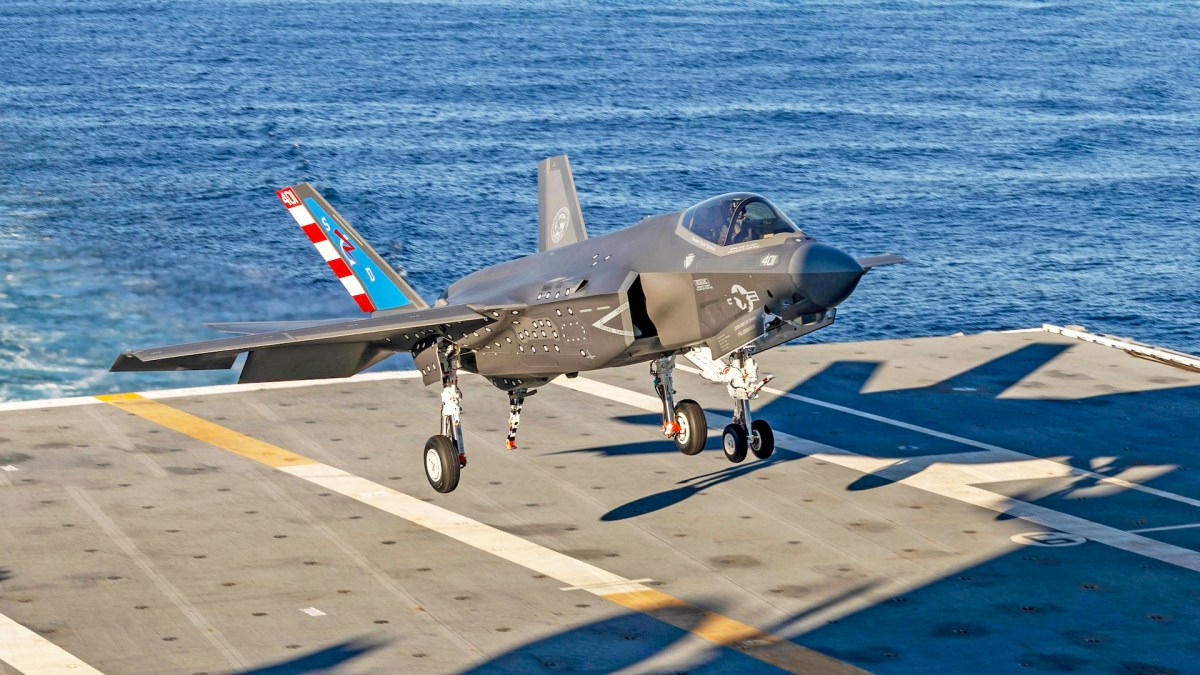
Operation Epic Fury: వ్యూహాత్మక సందర్భం
Operation Epic Fury సంవత్సరాలలో సర్వందమైన ఇరానీ సైనిక సాధనాలకు విరుద్ధమైన సరిగ్గా సమర్థక దృష్టిభంగం సూచిస్తుంది, అంతేకాక దీని పరిధి మరియు తీవ్రత ప్రాంతీయ విశ్లేషకులను ఆశ్చర్యపరిచారు, ఎవరు ఇరానీ సముద్ర దూషణకు సంబంధిత సమర్థక ప్రతిస్పందన చాలా వరకు రక్షణాత్మకంగా ఉండాలని ఆశించారు. కార్యక్రమం రాడార్ సంస్థాపనలు, క్షిపణి నిల్వ సుবిధాలు, మరియు ఇరాన్ వ్యతిరేక నౌక క్షిపణి సామర్థ్యాన్ని సహాయం చేసే నియంత్రణ నోడ్లపై దాడుల్ని కలిగి ఉంది.
దూషణ యొక్క వ్యూహాత్మక తర్కం అంటే రక్షణాత్మక చర్యల ద్వారా మాత్రమే దూషణ తీరిక్కి ఆధారపడటం ఇరాన్ ప్రవర్తనను సవరించుకోవడం విఫలమైంది. ఇరాన్ మిత్ర నౌక శక్తుల పేర్పాటు మరియు వ్యక్తిగత క్షిపణుల అంతరాయం ఉన్నప్పటికీ షిప్పింగ్ దాడులు కొనసాగించింది, ఇది దూషణ సామర్థ్యానికే లక్ష్యం గణనీయమైన ఇరాన్ ప్రవర్తన సవరణకు అవసరమని సైనిక ప్రణేతలను నిర్దేశించింది.
బ్రిటిష్ చట్టపరమైన మరియు రాజకీయ పరిశీలనలు
UK ప్రభుత్వ నిర్ణయం బేస్ ఆక్సెస్కు అనుమతిస్తుంది ఇరాక్ యుద్ధ విచారణ ఫలితంగా మధ్యప్రాచ్యంలో బ్రిటిష్ సంబంధానికి సంబంధిత సమాన్వయ గుండెల నుండి రాజకీయ ఆయామాలతో వస్తుంది, మరియు చాలా మంది వ్యతిరేక సదస్యులు US కార్యక్రమాల జట్టు చర్యకు సమర్థన కోసం సంపూర్ణ సంసదీయ చర్చ కోసం పిలుస్తారు. ప్రభుత్వం నిర్ణయానికి తాజా సంసదీయ అనుమతిని అవసరమైన కొత్త సైనిక ప్రతిబద్ధత కాకుండా, దాని కరారు మిత్రతలకు దాని సంఘర్షణ వ్యతిరేకత మరియు సముద్ర నిరాపత్త ఆస్తిలకు సంబంధితంగా, దాని నిర్ణయానికి ఛార్ట్ చేసింది.
నాన్-NATO దేశంపై దాడుల కోసం బ్రిటిష్ బేస్ల వినియోగం చుట్టూ చట్టపరమైన ప్రశ్నలు కూడా విశ్లేషణలో ఉన్నాయి. కార్యక్రమాల చట్టపరమైన ఆధారం మిత్ర షిప్పింగ్ సమర్థక రక్షణ, ఇంటర్నేషనల్ చట్టం ప్రకారం నాకిక స్వేచ్ఛ హక్కులు, మరియు నిఖిల ఇరానీ దాడులకు సంబంధిత సైనిక ప్రతిస్పందన సమానత్వం గురించిన వాదనలపై పటిష్టం చేయబడింది.
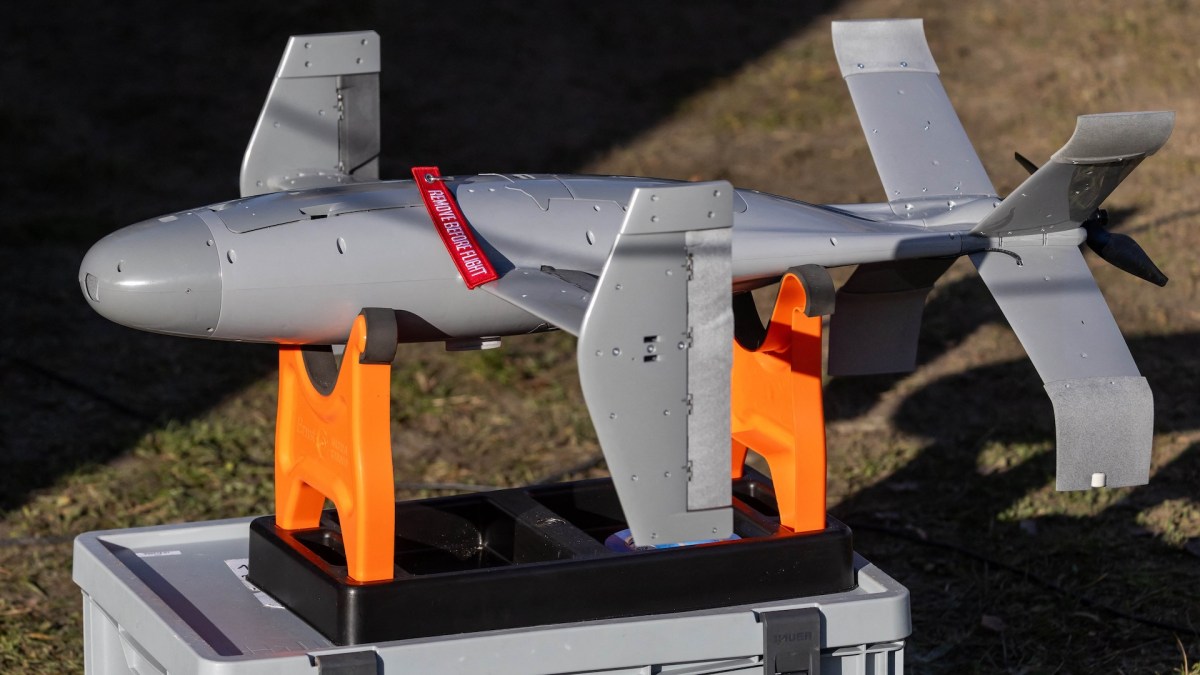
ఇరాన్ ప్రతిస్పందన మరియు ప్రాంతీయ గతిశీలత
ఇరాన్ దాడులను చట్టవిరుద్ధ దూషణ వలె ఖండించింది మరియు ప్రాంతంలో US మరియు సహకారీ మిత్రతలకు ప్రతిఘటన సూచించింది. Islamic Revolutionary Guard Corps అన్నది ఇరానీ ఆస్తుల దాడులకు US మరియు సహకారీ మిత్ర సమాన్వయానికీ జవాబుదారీ బిందువు ఉంది, మరియు బ్రిటిష్ బేస్ ఆక్సెస్ను సమర్థక సంఘర్షణకు ఉత్సర్గం సమానమైనదిగా సూచించింది.
ప్రాంతీయ రాష్ట్రాలు విస్తరణ పథం జాగ్రత్తగా కలుసుకోవుతున్నాయి. Gulf Cooperation Council సభ్యులు US మరియు సహకారీ శక్తులను హోస్ట్ చేస్తాయి ఈరాన్ ప్రతిఘటన సంభవానికి తమ నిర్గమన ఆయోజన చేస్తున్నాయి, మరియు అనేకులు వాషింగ్టన్ మరియు లండన్తో శక్తి రక్షణ మరియు కన్టిజెన్సీ ప్రణాళిక గురించి అదనపు సంప్రదింపుల కోసం నిరిచారు.
నాకిక మరియు ఆకాశ సమన్వయం
సమర్థక US-UK కార్యకలాప చిత్రం థియేటర్లో carrier strike group సమన్వయం కూడా కలిగి ఉంది, Royal Navy ఆస్తులు అమెరికన్ carrier కార్యక్రమాలకు గూఢచారణ సంప్రదింపు, నౌక-జలరోధక స్క్రీనింగ్, మరియు వస్తుసరఖా సహాయంలో సహాయం చేస్తాయి. మిత్ర దృష్టిభంగం మధ్య సంచిత నిర్వహణ సమన్వయం దశాబ్దాల సమర్థక యుద్ధ సంసర్గ మరియు నిర్దేశక సమర్థకతను ప్రతిబింబిస్తుంది, ఇది సమర్థక ప్రతిస్పందనను చేస్తుంది మరింత సమర్థకమైన మరియు త్వరితమైనది. రాబోయే సపెక్షిక సాపెక్షిక సप్తాహాలు దాడులు వారి దూషణ లక్ష్యం సాధనం చేసేలా లేదా విస్తృత విస్తరణని పుట్టిస్తుందో సమర్థక చేస్తుందా నిర్ణయం చేయటానికి పటిష్ఠక కాలం ఉంటుంది.
ఈ కథనం Defense News ద్వారా నివేదించిన ఆధారపడుతుంది. అసలు కథనం చదువండి.
Originally published on defensenews.com