Japan యొక్క తొలి ASEV, కొత్త రకం missile defense shipగా రూపుదిద్దుకుంటోంది
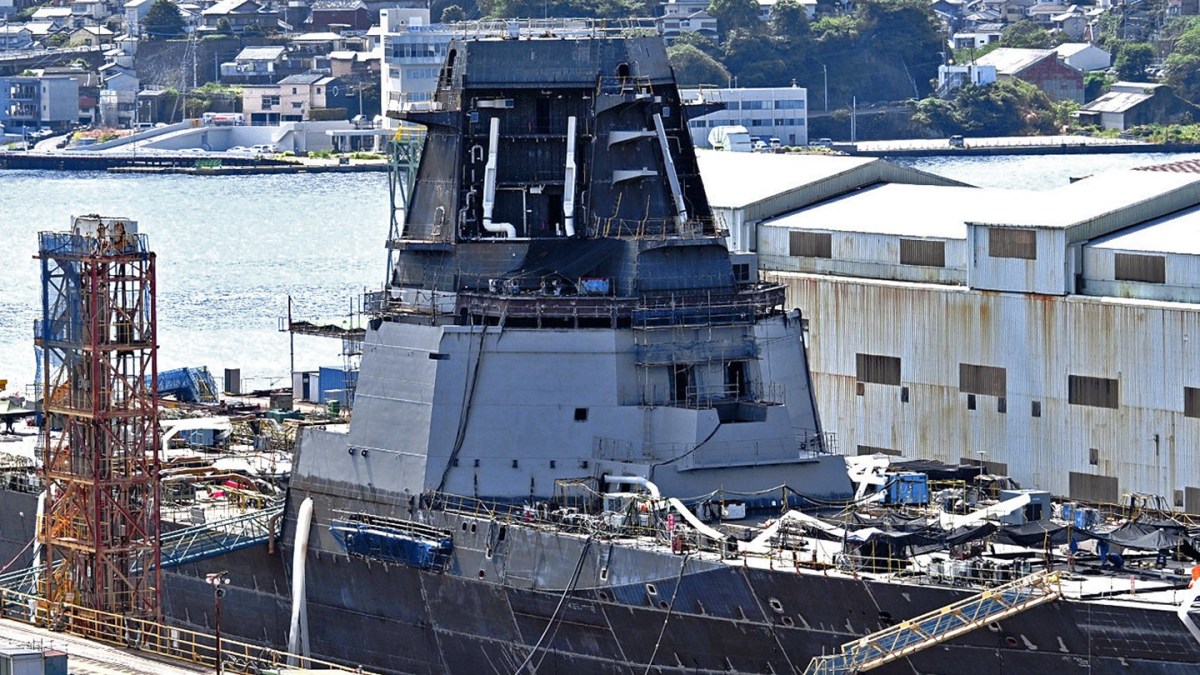
Japan యొక్క తొలి Aegis System Equipped Vessel, లేదా ASEV, తన భారీ integrated mast అమర్చడంతో నిర్మాణంలో స్పష్టమైన కొత్త దశను చేరుకుంది. ఈ మార్పు కేవలం రూపానికి సంబంధించినది కాదు. Japan తన surface fleet పరిమాణాన్ని మరియు ambitionను విస్తరించుకుంటున్న సమయంలో, missile defense చుట్టూ రూపొందించిన కార్యక్రమం పరిమాణానికి ఇది ఇప్పటివరకు కనిపించిన అత్యంత స్పష్టమైన సంకేతాలలో ఒకటి.
ఈ warship రెండు పెద్ద ASEVsలో ఒకటిగా నిర్మించబడుతోంది, వాటి ప్రధాన ప్రకటిత mission missile defense. తాజాగా అమర్చిన mast చివరికి AN/SPY-7(V)1 radar కోసం నాలుగు పెద్ద fixed arraysను మోయనుంది, ఇది ship యొక్క sensing మరియు tracking సామర్థ్యంలో కేంద్ర భాగం. ఆ నిర్మాణం ఇప్పుడు స్థానంలో ఉండడంతో, vessel యొక్క proportions మరింత imposingగా కనిపిస్తున్నాయి, ఈ ships navies సంప్రదాయంగా destroyers మరియు cruisers అని పిలిచే పరిమితి అంచున నిలుస్తాయనే భావనను మరింత బలపరుస్తున్నాయి.
Missile threat చుట్టూ నిర్మించిన ship
ASEV program ఒక నిర్దిష్ట strategic అవసరాన్ని ప్రతిబింబిస్తోంది: సముద్రంలో నిరంతర, అధిక సామర్థ్యం గల missile defense అవసరం. Japan చాలా కాలంగా Aegis-equipped warshipsలో పెట్టుబడి పెడుతోంది, కానీ ఈ కొత్త vessels మునుపటి classes కంటే ఆ missionను మరింత స్పష్టంగా మద్దతు ఇవ్వేలా రూపొందించబడుతున్నాయి. ఫలితంగా, ఒక purpose-built platform ఏర్పడుతోంది; అది పెద్దది, radar-heavy, మరియు layered defenseలో core nodeగా సేవ చేయడానికి ఉద్దేశించబడింది.
ఈ focus, missile threats మరింత విభిన్నంగా మరియు మరింత demandingగా మారిన regional environmentకు సరిపోతుంది. Tracking మరియు intercept roles కోసం optimize చేసిన shipకు పెద్ద sensors, future upgrades కోసం power, space, margin అవసరం. ASEV పరిమాణం Japanese planners ప్రస్తుత missionsకే కాకుండా, మారుతున్న అవసరాల దీర్ఘ చక్రానికి కూడా సిద్ధమవుతున్నారనే సంకేతం ఇస్తోంది.
సంఖ్యలు ఎందుకు ప్రత్యేకంగా నిలుస్తున్నాయో చూపుతున్నాయి
ప్రాథమిక dimensions ఈ ship ఎందుకు దృష్టిని ఆకర్షిస్తుందో వివరించాయి. ASEVs సుమారు 620 feet పొడవు, beam సుమారు 82 feet, standard displacement 12,000 tonsగా ఉండనున్నాయి. ఇది Japan యొక్క ప్రస్తుత Maya class destroyers కంటే చాలా పెద్దది; అవి కొంచెం 557 feet కంటే ఎక్కువ పొడవు, సుమారు 73 feet వెడల్పు, standard load వద్ద సుమారు 8,200 tons displacement కలిగి ఉంటాయి.
ఇవి కేవలం incremental మార్పులు కాదు. ఇవి hull volume మరియు overall presenceలో గణనీయమైన పెరుగుదలను సూచిస్తాయి. ప్రాక్టికల్గా, పెద్ద sensors, అదనపు systems, growth కోసం ఎక్కువ స్థలం, మరియు air మరియు missile defense పనులకు అవసరమైన enduranceకు మద్దతు ఇవ్వగలవు. రాజకీయ మరియు సంకేతాత్మకంగా, ఈ పరిమాణం ఒక స్పష్టమైన సందేశాన్ని ఇస్తోంది: Japan కొత్త high-end surface combatant classలో భారీ వనరులను పెట్టుబడి పెడుతోంది.
Mast ఎందుకు ముఖ్యమైంది
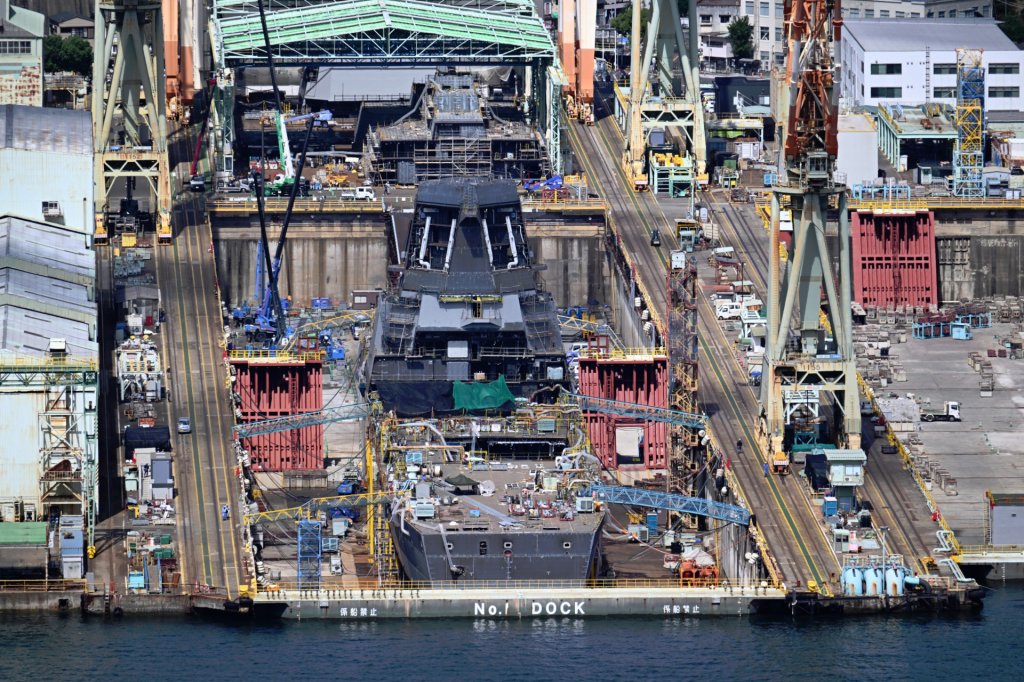
కొత్త mast ముఖ్యమైనది, ఎందుకంటే అది ship యొక్క missionను స్పష్టంగా చేస్తుంది. ఆధునిక warshipsపై పెద్ద integrated structures sensing, networking, survivability అంశాలను ఒకే visual center of gravityలో కలుపుతాయి. ASEV విషయంలో, mast AN/SPY-7(V)1 radar కోసం నాలుగు fixed arraysను మోయనుంది, ఆ radar ship యొక్క గుర్తింపులో కేంద్ర భాగం.
సంప్రదాయ silhouette మీద ఆధారపడకుండా, vesselను శక్తివంతమైన sensor package చుట్టూ రూపకల్పన చేస్తున్నారు. దీని వల్ల ఇది missile defenseను అనేక పనుల్లో ఒకటిగా మాత్రమే చూసే సాధారణ multi-mission destroyer కాదనే భావన బలపడుతోంది. ఇది ఆ సమస్య సమితి నుంచే ప్రారంభమై, తరువాత బయటకు విస్తరించే ship.
సన్నని mission నుండి విస్తరిస్తున్న arsenal వరకు
Missile defense ప్రధాన ప్రకటిత పాత్ర అయినప్పటికీ, Japan ASEVsను ఎప్పటికీ కేవలం అదే పనికి పరిమితం చేయాలని భావించడం లేదు. భవిష్యత్తులో ఈ vesselsకు అదనపు counter-drone, anti-ship, మరియు land-attack సామర్థ్యాలను ఇవ్వాలని అధికారులు యోచిస్తున్నారు. Tomahawk cruise missilesను కూడా తర్వాత చేర్చే అవకాశం ఉంది.
ఈ planned expansion వ్యూహాత్మకంగా ముఖ్యమైనది. ఇది Japan ఈ shipsను ప్రారంభంలో dedicated defensive assetsగా ఉంచి, తరువాత విస్తృత missionsలో భాగస్వామ్యం చేసే మరింత flexible combatantsగా అభివృద్ధి చేయాలనుకుంటోందని సూచిస్తుంది. మరో మాటలో చెప్పాలంటే, ASEV ఒక shieldగా ప్రారంభమవచ్చు, కానీ అది broader strike మరియు air-defense platformగా మారే మార్గంతో నిర్మించబడుతోంది.
అందుకే cruiser పోలికలు మళ్లీ మళ్లీ వస్తున్నాయి. చరిత్రపరంగా cruisers పెద్ద hulls, బలమైన command- మరియు sensor పనులు, మరియు విస్తృత combat utilityతో సంబంధం కలిగి ఉన్నాయి. ఆధునిక naval classification గతంలో కంటే తక్కువ స్పష్టంగా ఉంది, కానీ ASEV యొక్క పరిమాణం మరియు planned capability growth దాన్ని పెద్ద surface combatant వర్గంలో బలంగా ఉంచుతున్నాయి, చివరికి ఏ label నిలిచినా సరే.
నిర్మాణ సమయరేఖ మరియు industrial base
మొదటి ASEV ను July 2025లో Mitsubishi Heavy Industries యొక్క Nagasaki shipyardలో keel లాగి ప్రారంభించారు. రెండవది February 2026లో Tokyo సమీపంలోని Japan Marine United యొక్క Isogo shipyardలో keel లాగి ప్రారంభించారు. ఈ కార్యక్రమాన్ని రెండు ప్రధాన shipyardsకు విభజించడం, ఈ class యొక్క industrial importanceతో పాటు shipsను సేవలోకి తీసుకురావడానికి ఉన్న urgencyను చూపిస్తోంది.
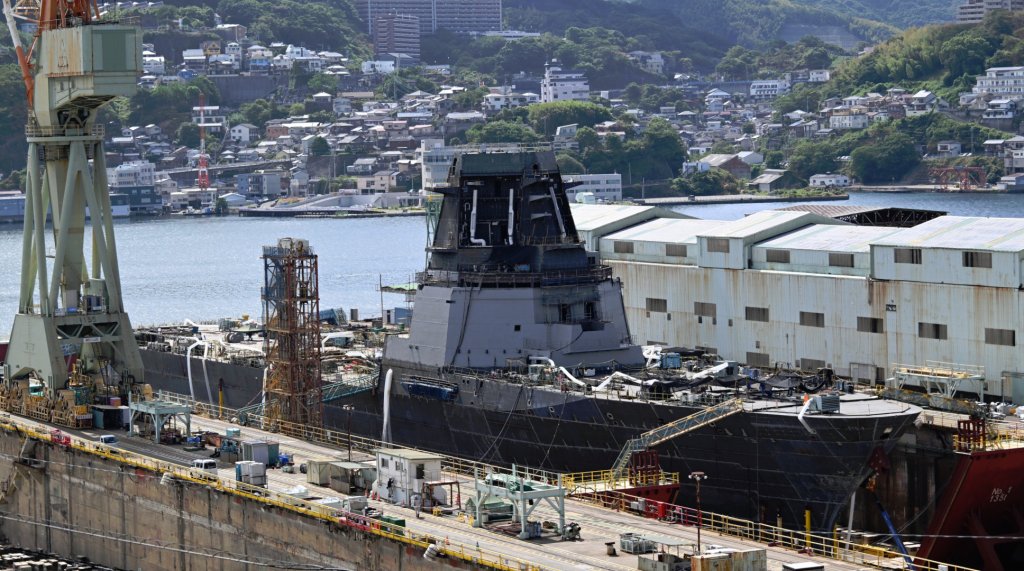
Japan యొక్క Ministry of Defense మొదటి vesselను దేశపు 2027 fiscal year ముగిసేలోపు సేవలోకి తీసుకురావాలని లక్ష్యంగా పెట్టుకుంది, అది April 2027 నుండి March 2028 వరకు కొనసాగుతుంది. రెండవది 2028 fiscal cycleలో అనుసరించే అవకాశం ఉంది, అది 2029 వరకు విస్తరిస్తుంది. ఈ తేదీలు ముఖ్యమైనవి, ఎందుకంటే ఈ program దూరమైన భావన కాదని అవి చూపిస్తున్నాయి. ఇది స్పష్టమైన షెడ్యూల్పై ముందుకు సాగుతోంది, ఇప్పటికే కనిపించే milestonesను చేరుకుంటోంది.
విస్తృత naval trendలో భాగం
Japan యొక్క కొత్త ship ఒక విస్తృత global patternకు కూడా సరిపోతుంది. advanced destroyers, ముఖ్యంగా anti-air మరియు missile defense missions కోసం optimize చేసినవి, మరింత పెద్దవిగా మారుతున్నాయి. sensors, launch systems, power demands, మరియు mission complexity పెరుగుతున్న కొద్దీ, navies ప్రాసంగికంగా ఉండేందుకు పెద్ద hullsను అంగీకరిస్తున్నాయి. ASEV ఈ trendకు అత్యంత స్పష్టమైన వ్యక్తీకరణ.
దీని అర్థం ప్రతి navy ఇదే రకమైన shipను నిర్మిస్తుందనే కాదు. కానీ high-end fleet defense ఇప్పుడు మరింత technical మరియు logisticalగా demandingగా మారుతోందని Japan యొక్క ఎంపిక సూచిస్తోంది. Destroyer మరియు cruiser మధ్య గీత మసకబారడానికి partly కారణం missions కూడా పాత categoriesను దాటి విస్తరించడమే.
ఈ కార్యక్రమం ఏమి సూచిస్తోంది
Mast అమరిక ఒక construction update మాత్రమే, కానీ అది Japan యొక్క defense posture గురించి పెద్ద సంకేతాన్ని కూడా ఇస్తోంది. దేశం పెద్ద, ప్రారంభంలోనే మరింత specialized, మరియు భవిష్యత్తులో offensive మరియు defensive growth కోసం నిర్మించబడిన shipsలో పెట్టుబడి పెడుతోంది. ఈ program timeతో upgrade చేయగల sea-based capabilityను ప్రాధాన్యం ఇస్తున్నట్టు సూచిస్తోంది, evolutionకు తక్కువ స్థలం ఉన్న narrow platforms కంటే.
అందుకే ASEV regionలోని అత్యంత consequential naval projectsలో ఒకటిగా నిలుస్తోంది. దీని ప్రాముఖ్యత tonnage లేదా radar sizeలో మాత్రమే లేదు. అది ship ప్రతినిధ్యం వహిస్తున్న దానిలో ఉంది: ఒక పెద్ద, dedicated missile defense vessel, ఇది సేవలోకి వచ్చిన తరువాతి సంవత్సరాల కోసం మరింత versatile combatantగా మారేలా ఇప్పుడే ప్రణాళిక చేయబడుతోంది.
మొదటి hull రూపుదిద్దుకుంటున్న కొద్దీ, ASEV యొక్క emerging shape Japanese naval priorities ఎటు వెళ్తున్నాయో ఒక ముందస్తు చూపును ఇస్తోంది. Missile defense ఇంకా organizing logicగా ఉంది, కానీ ఆ mission చుట్టూ నిర్మించబడుతున్న platform single-role answer కంటే చాలా పెద్దది, మరింత expandable. అందుకే ship ఇప్పుడే ముఖ్యమైనది, అది ఇంకా నీటిలోకి దిగకముందే.
ఈ వ్యాసం twz.com యొక్క నివేదికల ఆధారంగా ఉంది. మూల వ్యాసాన్ని చదవండి.
Originally published on twz.com