Rome draws a procedural line with strategic consequences
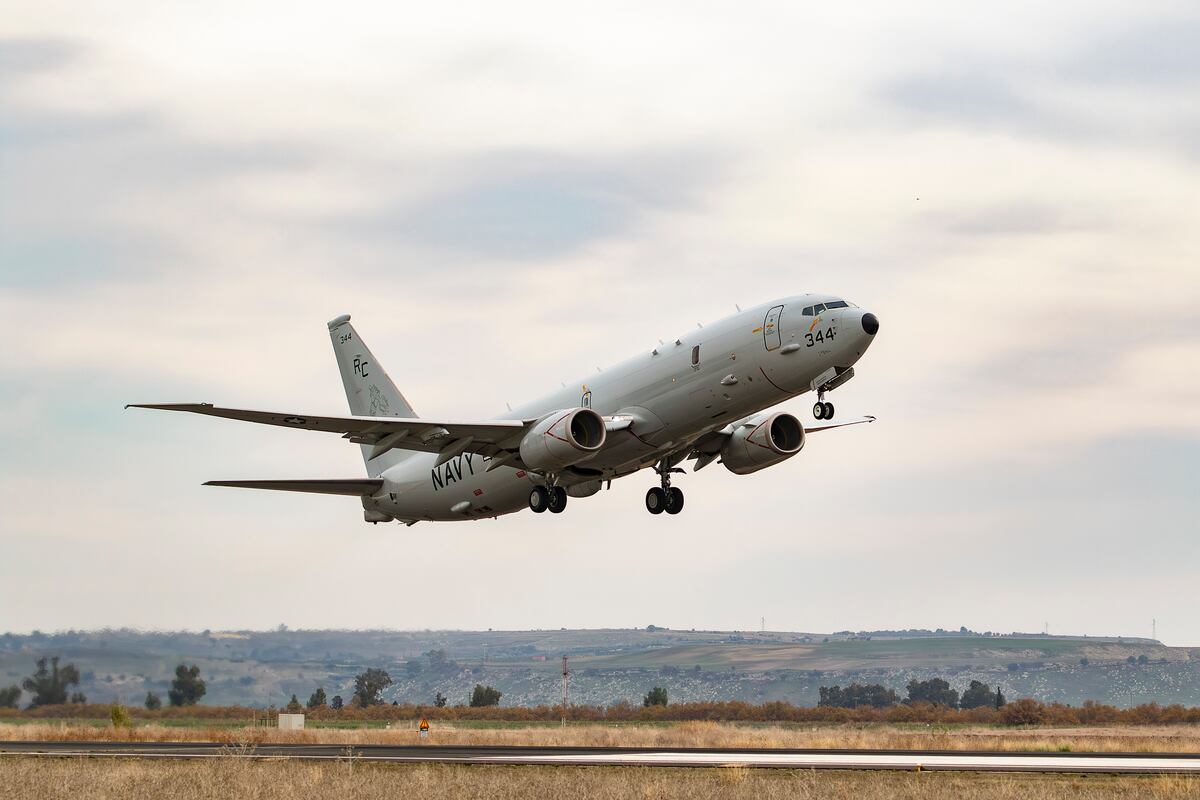
Italy has refused permission for U.S. military aircraft heading from the United States to the Middle East to stop at Sigonella air base in Sicily, according to an Italian government source cited by Defense News. The decision does not signal a break in bilateral relations, but it does show how quickly alliance politics can harden when military operations move beyond standing agreements.
Sigonella is one of the most important U.S.-linked facilities in the Mediterranean. Its location makes it valuable for logistics, surveillance, and transit across Europe, North Africa, and the Middle East. That is precisely why a refusal there matters. Even when it is framed as a case-by-case legal issue, it sends a message about the limits of automatic support.
The legal distinction is central to Italy’s position
Prime Minister Giorgia Meloni told parliament earlier in March that U.S. use of bases in Italy is governed by long-standing agreements dating back to 1954 and updated over time. Under those arrangements, she said, technical authorizations cover logistics and non-kinetic activity. Any other use, including operations outside that perimeter, depends on parliament.
That distinction appears to have driven the Sigonella decision. The request to land was reportedly made after the aircraft had already taken off from the United States, leaving no time for parliamentary authorization. The Italian source said that timing effectively prevented approval.
Meloni’s office later stressed that every request is examined carefully and that there is no crisis or friction with international partners, particularly the United States. The wording was clearly designed to contain diplomatic fallout. But the practical outcome remains the same: a U.S. military transit request connected to the Iran war did not receive permission.

Domestic politics are shaping operational access
Italy’s decision also reflects domestic political pressure. Meloni has tried to maintain a close relationship with President Donald Trump while avoiding a direct clash with Italian public opinion, which the report says is broadly opposed to the war with Iran. Earlier this month, she told parliament, “We are not at war and we do not want to enter the war,” and described the U.S. attack on Iran as outside the perimeter of international law.
Those remarks matter because they frame the refusal not as an isolated bureaucratic snag but as part of a broader balancing act. Italy is attempting to preserve alliance solidarity while setting visible legal and political constraints around involvement in an unpopular conflict.
That balancing act is now becoming operational. Access to bases, airspace, and logistics hubs often appears technical from the outside, but in practice it is one of the most important forms of support allies can grant or withhold. When governments begin narrowing that support, even on procedural grounds, military planners must account for it.
Italy is not the only European government applying limits
The Sigonella refusal comes after Spain also denied use of its bases to U.S. aircraft heading to Iran. Defense News reports that Spain then went further, closing its airspace to U.S. aircraft involved in the war. Spanish Defense Minister Margarita Robles called the war profoundly illegal and profoundly unjust.
Taken together, the Italian and Spanish decisions suggest a broader European pattern: governments may still preserve formal cooperation with Washington while resisting direct entanglement in operations tied to Iran. That matters because alliance cohesion is often tested less by treaty language than by access, permissions, and logistics during real-world contingencies.
It also shows how parliamentary systems can shape military timelines. When approval depends on legislative processes rather than executive discretion alone, rapid operational requests may collide with political procedure. In this case, the delay was enough to shut the door.
Why this matters beyond one airfield
The refusal at Sigonella is important because it highlights the growing gap between alliance rhetoric and wartime consent. The United States may continue to enjoy deep military relationships across Europe, but support for specific campaigns cannot be assumed. In highly charged conflicts, even long-established partners may insist on narrower interpretations of existing agreements.
For the U.S., that creates a more complex operating environment. For Europe, it underscores how domestic law and public sentiment can still shape hard-security decisions. And for Italy, it reveals the strain of trying to be simultaneously a dependable ally, a sovereign parliamentarian state, and a government responsive to voters skeptical of a widening regional war.
There may be no crisis in U.S.-Italian relations, as Rome insists. But there is now a demonstrated limit, and in military affairs, demonstrated limits are often more consequential than diplomatic language. Sigonella remains a strategic base. What changed is the assumption that access during a crisis would be automatic.
This article is based on reporting by Defense News. Read the original article.
Originally published on defensenews.com