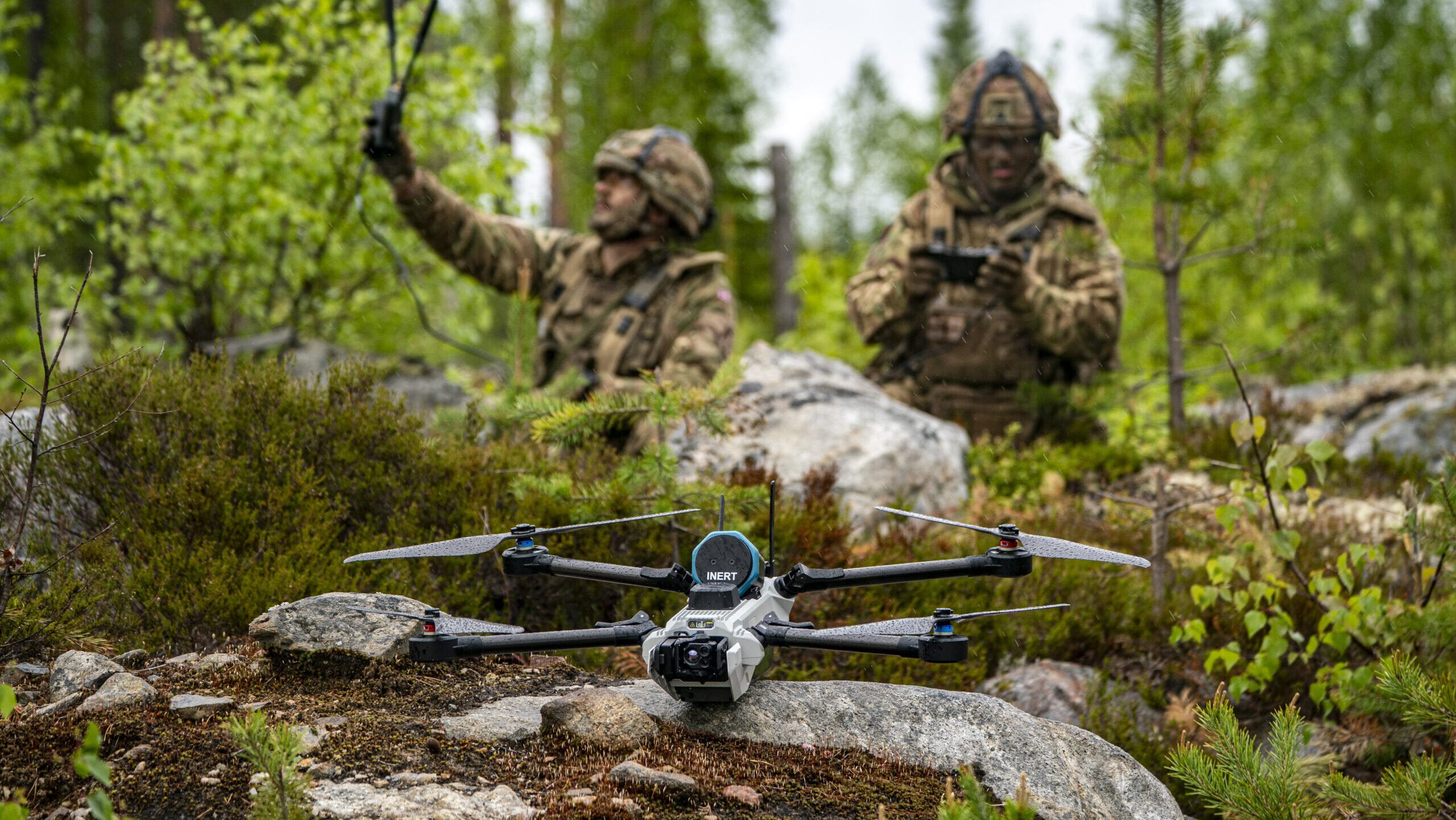
యాంటీ-డ్రోన్ అవసరాల చుట్టూ నార్డిక్ రక్షణ సహకారం విస్తరిస్తోంది
రష్యా ఉక్రెయిన్పై కొనసాగిస్తున్న యుద్ధం కారణంగా ప్రాంతీయ ఉద్రిక్తతలు అధికంగా ఉన్న నేపథ్యంలో, NATO తూర్పు పార్శ్వంలో భద్రతను బలోపేతం చేయాలని లక్ష్యంగా, యాంటీ-డ్రోన్ సామర్థ్యాలు మరియు ప్రాంతీయ నిఘాపై కొత్త దృష్టితో ద్వైపాక్షిక సైనిక సహకారాన్ని మరింత లోతుగా చేసేందుకు ఫిన్లాండ్ మరియు స్వీడన్ ముందుకు సాగుతున్నాయి.
ఫిన్లాండ్ రక్షణ మంత్రిత్వ శాఖ ప్రకటించి, ఆగస్టు 28న నివేదించిన ఈ ఒప్పందం, వైమానిక చొరబాట్లకు స్పందించే సామర్థ్యాన్ని మెరుగుపరచడం మరియు భౌగోళిక సమగ్రతను రక్షించడం మీద కేంద్రీకృతమైంది. బహిరంగంగా అందుబాటులో ఉన్న వివరాలు పరిమితంగానే ఉన్నప్పటికీ, రాజకీయ సంకేతం స్పష్టంగా ఉంది: చిన్న మానవరహిత విమానాలు మరియు అస్పష్ట వైమానిక-ప్రాంత ఘటనలు భద్రతా దృశ్యంలో భాగమైపోతున్న ముప్పు వాతావరణంలో, ఈ రెండు నార్డిక్ దేశాలు తమ సన్నిహిత రక్షణ సంబంధాన్ని ఉపయోగించి ప్రాయోగిక సహకారాన్ని కట్టుదిట్టం చేస్తున్నాయి.
ఈ చర్య, ఈ రెండు దేశాల “కలిసి చర్య తీసుకోవడానికి మరియు ప్రాంతంలోని అలాగే NATO తూర్పు పార్శ్వంలో భద్రతకు బాధ్యత వహించడానికి ఉన్న సామర్థ్యానికి” నిదర్శనమని ఫిన్లాండ్ పేర్కొంది. ఆ భాష ఈ ముందడుగును విస్తృత వ్యూహాత్మక సందర్భంలో ఉంచుతుంది. ఇది ఒక పరిమిత సాంకేతిక మార్పిడిగానో లేదా ఒకే సంఘటనకు ఒక్కసారిగా ఇచ్చిన ప్రతిస్పందనగానో ఫ్రేమ్ చేయబడడం లేదు. NATOతో తమ మరింత లోతైన అనుసంధానం, అలాగే రష్యా సరిహద్దుల సమీపంలో కొనసాగుతున్న అస్థిరత నేపథ్యంలో, ఫిన్లాండ్ మరియు స్వీడన్ కలిసి నిర్మిస్తున్న ప్రాంతీయ రక్షణ స్థితిలో భాగంగా దీన్ని చూపిస్తున్నారు.
ప్రకటన ఏమి చెబుతోంది, ఏమి చెప్పడం లేదు
వాయు మరియు సముద్ర సహకారం ఇప్పటికే ద్వైపాక్షిక సహకారంలో అంతర్భాగమని, ఇప్పుడు రెండు దేశాలు ప్రాంతీయ నిఘా మరియు భౌగోళిక సమగ్రత రక్షణపై ముందుకు సాగుతున్నాయని ఫిన్లాండ్ రక్షణ మంత్రి అంటీ హక్కానెన్ చెప్పారు. ఈ పదజాలం ముఖ్యమైనది, ఎందుకంటే యాంటీ-డ్రోన్ పని వేరుగా నిలబడదని అది సూచిస్తోంది. దానికి బదులుగా, అది వాయు గస్తీలు, సముద్ర అవగాహన, మరియు అధిక-ప్రమాద ప్రాంతాల సమన్వయ పర్యవేక్షణను కలిగి ఉన్న విస్తృత ఆపరేషనల్ దృశ్యంలో భాగంగా ఉండే అవకాశం ఉంది.
అదే సమయంలో, తన యాంటీ-డ్రోన్ సామర్థ్యాలను ఎలా మెరుగుపరుస్తారో, స్వీడన్ ఎలాంటి కొత్త కట్టుబాట్లు తీసుకుందో ఫిన్లాండ్ బహిరంగంగా నిర్దిష్టంగా వెల్లడించలేదు. ఆ వివరాల లోటు వల్ల గస్తీ మద్దతు విస్తరణ, సెన్సార్ల పంచుకోవడం, వాయు రక్షణ సమన్వయం లేదా సున్నిత ప్రాంతాల్లో ఉనికిని పెంచేందుకు ఉద్దేశించిన తాత్కాలిక మోహరింపుల వరకు పలు అవకాశాలు తెరుచుకుని ఉన్నాయి. మూల సమాచారంలో నిర్ధారించబడింది దిశ మాత్రమే; పూర్తి ఆపరేషనల్ రూపకల్పన కాదు.
స్వీడన్ ప్రభుత్వ ప్రసార సంస్థ SVT నుంచి వచ్చిన ఒక నివేదిక ప్రకారం, ఫిన్లాండ్-రష్యా సరిహద్దు సమీపంలోని “ప్రమాద ప్రాంతాల”పై గస్తీ నిర్వహించేందుకు గ్రిపెన్ యుద్ధవిమానాలు సహా విమానాలు, అలాగే స్వీడిష్ యుద్ధనౌకలను ఫిన్లాండ్కు పంపేందుకు స్టాక్హోమ్ ఫిన్లాండ్ అభ్యర్థనను ఆమోదించిందని తెలిపింది. పేర్కొన్నట్లుగా ఇది అమలైతే, స్పష్టమైన భార పంచుకోవడం మరియు వైమానిక కార్యకలాపాలపై ఉన్న ఆందోళనల కాలంలో ఫిన్లాండ్ పర్యవేక్షణ, నిరోధక సామర్థ్యాలను ప్రాయోగికంగా బలోపేతం చేయడమే అవుతుంది.
నివేదిత ప్యాకేజీ యాంటీ-డ్రోన్ చర్యలు ప్రత్యేక UAS-వ్యతిరేక వ్యవస్థలకే పరిమితం కాదని కూడా చూపిస్తోంది. డ్రోన్లు సవాలులో ఒక భాగాన్ని మాత్రమే కలిగిస్తాయి, కానీ అనిశ్చిత వైమానిక-ప్రాంత ఘటనలకు స్పందించడం చాలా సందర్భాల్లో పొరలుగల నిఘా, వేగవంతమైన గుర్తింపు, మరియు సిబ్బందితో నడిచే వనరులను వెంటనే ఆ ప్రాంతానికి తరలించే సామర్థ్యాన్ని అవసరం చేస్తుంది. ఆ దృష్ట్యా, యుద్ధవిమానాలు మరియు నౌకలను మోహరించడం ఆపరేషనల్ మరియు సంకేతాత్మక రెండు ప్రయోజనాలనూ అందించగలదు: అవి స్థానిక అవగాహనను పెంచుతాయి, అదే సమయంలో ద్వైపాక్షిక సిద్ధతను ప్రదర్శిస్తాయి.
పునరావృత వైమానిక ఘటనలకు ప్రతిస్పందన
ఇటీవలి నెలల్లో ఫిన్లాండ్లో వరుస వైమానిక ఘటనలు జరిగిన నేపథ్యంలో ఈ విధాన మార్పు వచ్చింది. నివేదిక ప్రకారం, రష్యా-ఉక్రెయిన్ యుద్ధం నుంచి వచ్చిన పరోక్ష ప్రభావాలను ఆ దేశం ఎదుర్కొంది; వాటిలో ఫిన్లాండ్ వైమానిక ప్రాంతంలో అనుమానాస్పద డ్రోన్ ఒకటి కూడా ఉంది. అలాంటి ఒక ఘటనలో, హెల్సింకీ మరియు ఫిన్లాండ్ గల్ఫ్పై ఫిన్లాండ్ F-18 Hornets మోహరించబడ్డాయి. ఆ సమయంలో ఫిన్లాండ్ అధ్యక్షుడు అలెగ్జాండర్ స్టబ్, దేశం నేరుగా సైనిక ముప్పును ఎదుర్కొనడం లేదని చెప్పారు; అయినప్పటికీ, అస్పష్ట వైమానిక కార్యకలాపాలు ఎంత వేగంగా సైనిక ప్రతిస్పందనలను మరియు జాతీయ పరిశీలనను రేపగలవో ఆ సంఘటన స్పష్టం చేసింది.
ఆ తేడా ముఖ్యమైనది. ప్రస్తుత పరిస్థితిని ఫిన్లాండ్ బహిరంగంగా తక్షణ యుద్ధ ముప్పుగా వివరిస్తున్నది కాదు. బదులుగా, అది చొరబాట్ల నమూనా మరియు పెరిగిన ఉద్రిక్తతకు ప్రతిస్పందిస్తోంది; దీనికి మెరుగైన నిఘా, వేగవంతమైన సమన్వయం, మరియు చిన్న, కొన్నిసార్లు ఎవరి మీదైనా నెట్టివేయగల వ్యవస్థల నుంచి రక్షణ కోసం మరింత స్థిరమైన రక్షణ అవసరం. ఈ వాతావరణంలో యాంటీ-డ్రోన్ విధానం ఒక్క పెద్ద సంఘర్షణపై కాకుండా, తరచుగా జరిగే, మూలాన్ని నిర్ధారించడం కష్టమైన అంతరాయాల కోసం సిద్ధత్వ స్థాయిని పెంచడంపైనే ఎక్కువగా ఉంటుంది.
మొత్తం యూరోపియన్ భద్రతా వాతావరణాన్ని నిర్వచించే లక్షణంగా డ్రోన్లు మారిపోయాయి, ఎందుకంటే అవి హెచ్చరిక సమయాన్ని కుదించి, బాధ్యతను నిర్ధారించడాన్ని క్లిష్టతరం చేస్తాయి. అనుమానాస్పద చొరబాటు పెద్ద ఎత్తున ఉద్రిక్తతకు కారణమయ్యేంత పెద్దది కాకపోవచ్చు, అయినా విధానాలను పరీక్షించడానికి, ప్రజా ఆందోళనను రేపడానికి, మరియు పర్యవేక్షణలోని లోపాలను వెలికితీయడానికి తగినంత తీవ్రత ఉండవచ్చు. సరిహద్దు రాష్ట్రాలకు, ముఖ్యంగా రష్యా సైనిక కార్యకలాపాలకు మరియు ఉక్రెయిన్ యుద్ధం యొక్క విస్తృత ప్రభావాలకు సమీపంలో ఉన్నవాటికి, ఇది సముచితమైనదీ, నిరంతరమై ఉండే ప్రతిస్పందనా వ్యవస్థలను నిర్మించాల్సిన ఒత్తిడిని సృష్టిస్తుంది.
అలాంటి సహకారాన్ని కొనసాగించేందుకు ఫిన్లాండ్ మరియు స్వీడన్ ప్రత్యేకంగా అనుకూల స్థితిలో ఉన్నాయి. ఈ రెండు దేశాలకు సన్నిహిత రక్షణ సమన్వయానికి ఇప్పటికే చరిత్ర ఉంది, మరియు బాల్టిక్, నార్డిక్ ప్రాంతాల్లో వాయు, సముద్ర, మరియు నిఘా మిషన్ల అంతరాచరణ సామర్థ్యాన్ని మెరుగుపరచాలనే బలమైన ప్రోత్సాహం రెండింటికీ ఉంది. కొత్త యాంటీ-డ్రోన్ దృష్టి, ఈ కొనసాగుతున్న సంబంధాన్ని సంప్రదాయ రాష్ట్ర-వర్సెస్-రాష్ట్ర దృశ్యాలకు మాత్రమే పరిమితం కాకుండా, ఉద్భవిస్తున్న ముప్పు రకాలకూ అనుగుణంగా ఎలా మార్చుకుంటున్నారో చూపిస్తోంది.
ఈ విస్తరించిన సహకారాన్ని అధ్యక్షుడు స్టబ్ Xలో వ్యాఖ్యానిస్తూ, రెండు దేశాలు ఒకరినొకరు నమ్ముతాయని, కలిసి ఉన్నప్పుడు మరింత బలంగా ఉంటాయని అన్నారు. ఆ రాజకీయ సందేశం ప్రకటనలోని ప్రాయోగిక తర్కంతో సరిపోతుంది. సంక్లిష్ట సరిహద్దు భద్రతా ఒత్తిడులను ఎదుర్కొంటున్న చిన్న ప్రాంతీయ దేశాలు, కవరేజీని సమూహపరచడం, ఆస్తులను పంచుకోవడం, మరియు భౌగోళిక నిఘాను పూర్తిగా జాతీయ బాధ్యతగా కాకుండా సంయుక్త బాధ్యతగా పరిగణించడం ద్వారా మరింత స్థితిస్థాపకతను పొందగలవు.
ప్రజలకు పరిమిత వివరాలు ఉన్నప్పటికీ, ఈ చర్య ప్రాధాన్యమైనది; ఎందుకంటే ఇది యూరోపియన్ రక్షణ ప్రణాళికలు ఏ దిశగా వెళ్తున్నాయో ప్రతిబింబిస్తుంది. యాంటీ-డ్రోన్ సామర్థ్యం ఇక నిష్ కొనుగోలు అంశం కాదు; ఇది వాయు సార్వభౌమాధికారం, సరిహద్దు పర్యవేక్షణ, మరియు కూటమి భరోసా వంటి విస్తృత భావనల్లో నిక్షిప్తమవుతోంది. స్వీడన్తో ఫిన్లాండ్ తీసుకున్న తాజా అడుగు, తక్కువ ఖర్చుతో ఉన్న వైమానిక ముప్పులపై ఉన్న ఆందోళనను దీర్ఘకాలిక సైనిక ఏర్పాట్లుగా మార్చేందుకు ప్రభుత్వాలు ప్రాంతీయ స్థాయిలో ఎలా కృషి చేస్తున్నాయో చూపుతోంది.
తక్షణ ప్రభావం సున్నిత ప్రాంతాల్లో మరింత గస్తీ కార్యకలాపాలు మరియు కఠినమైన పర్యవేక్షణ కావచ్చు. దీర్ఘకాలంలో, శాంతికాల దినచర్యలు మరియు బహిరంగ సైనిక ఘర్షణ మధ్య ఉండే గ్రే-జోన్ వైమానిక-ప్రాంత సవాళ్లను ఎదుర్కొనేందుకు మరింత సమన్వయమైన నార్డిక్ మోడల్ రూపుదిద్దుకోవచ్చు. ఏ పరిస్థితిలోనైనా, యాంటీ-డ్రోన్ సహకారం ఒక ఐచ్ఛిక మెరుగుదల కాదని, ప్రాంతీయ రక్షణలో మరింత అవసరమైన భాగమని ఫిన్లాండ్ మరియు స్వీడన్ భావిస్తున్నాయని ఈ ఒప్పందం సంకేతమిస్తోంది.
ఈ వ్యాసం Breaking Defense నివేదిక ఆధారంగా ఉంది. మూల వ్యాసాన్ని చదవండి.
Originally published on breakingdefense.com