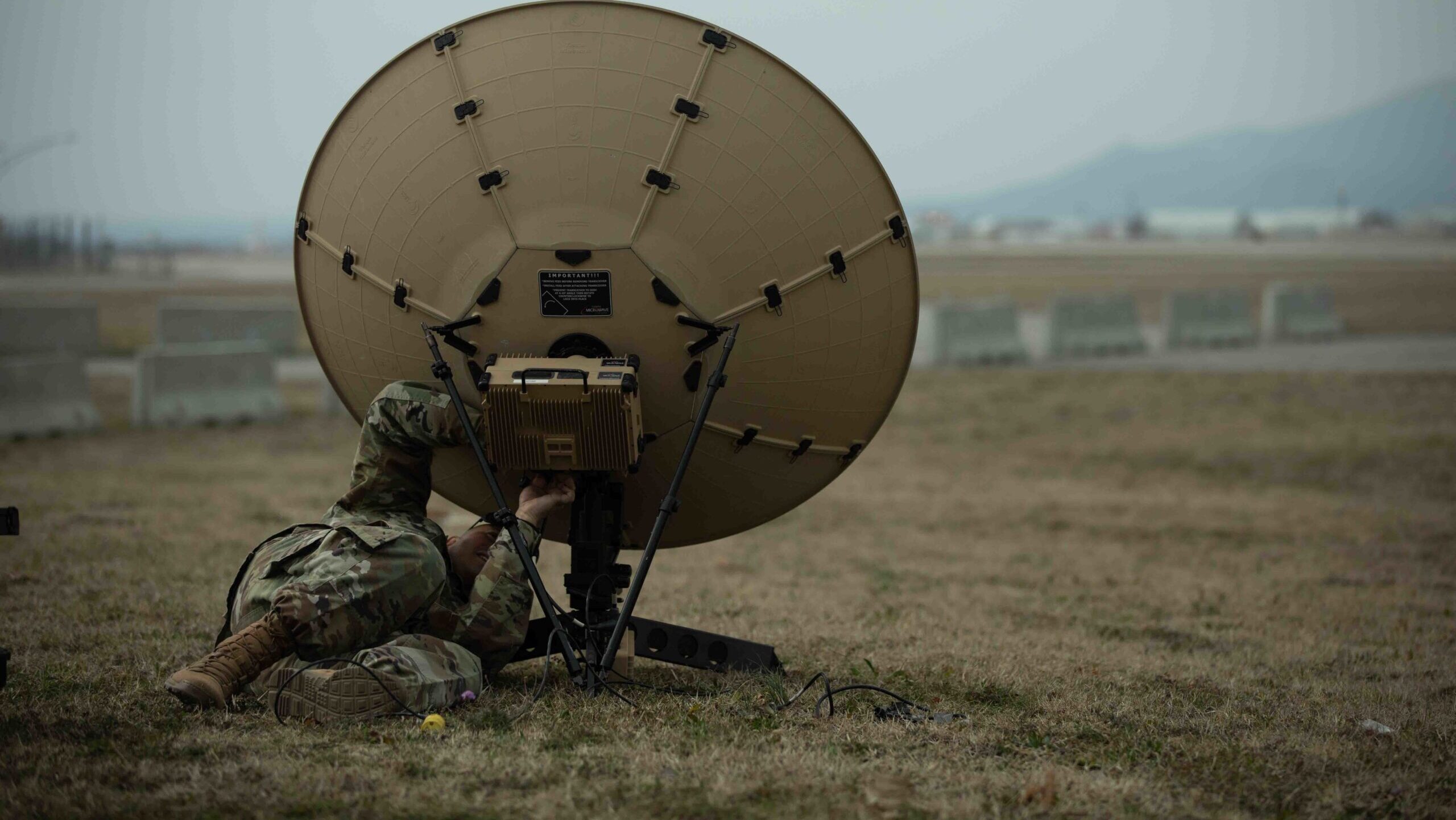
కఠోరమైన అవసరాల నుండి సరిపెట్టు
ఎలక్ట్రానిక్ వార్ఫేర్ సామర్థ్యాలను ఎలా అభివృద్ధి చేస్తుందో మరియు కొనుగోలు చేస్తుందో గురించి యు.ఎస్. సైన్యం ఒక ప్రాథమికంగా భిన్నమైన నమూనాకు వెళ్లిపోతుంది, ఇది ఇటీవల డిఫెన్స్ సమ్మేళనంలో మాట్లాడిన అధికారుల ప్రకారం. నిర్దిష్ట సాంకేతిక స్పెసిఫికేషన్లను ప్రచురించడం మరియు పూర్వనిర్ణీత సిస్టమ్ల కోసం బిడ్లను కోరడం కంటే, సైన్యం పరిశ్రమను కార్యాచరణ సమస్యను అర్థం చేసుకోవాలని మరియు దానిని సంప్రదాయేతర విధానాలతో సహా ఆ సమస్యను సర్వోత్తమంగా పరిష్కరించే ఏదైనా పరిష్కారాన్ని సూచించాలని కోరుకుంటుంది.
ఈ సరిపెట్టు చాలా సంవత్సరాలుగా ఎలక్ట్రానిక్ వార్ఫేర్ కొనుగోలు జామింగ్, స్పూఫింగ్ మరియు స్పెక్ట్రమ్ మానిప్యులేషన్ సిస్టమ్లను అభివృద్ధి చేయడం మరియు развёртывают చేసే ప్రతిరోధ నుండి వెనుకకు ఉండటం నుండి తీసిన పాఠాలను ప్రతిబింబిస్తుంది. సరిపెట్టు గతి ద్వారా నిర్వచించిన డొమైన్లో, ఒక సిస్టమ్ ఫీల్డుకు చేరుకోవడానికి సంవత్సరాల ముందు స్పెసిఫికేషన్లను లాక్ చేసే కొనుగోలు ప్రక్రియ నిర్మాణాత్మకంగా సరిపోలేనిది నిరూపితమైంది.
ఎలక్ట్రానిక్ వార్ఫేర్ ఏమి సూచిస్తుంది
ఎలక్ట్రానిక్ వార్ఫేర్ విద్యుత్ చలన స్పెక్ట్రమ్ను వివాదం చేసిన ఉపయోగం - రేడియో తరంగాలు, రాడార్, GPS సిగ్నల్లు, కమ్యూనికేషన్ లింక్లు మరియు ఆధునిక సైన్యాలు కార్యం చేయడానికి ఆధారపడే ఇతర ప్రతిదీ. EW కార్యక్రమాలలో శత్రువు కమ్యూనికేషన్లను జామింగ్ చేయడం, శత్రువు నావిగేషన్ సిస్టమ్లను గందరగోళానికి గురిచేయడానికి GPS ను స్పూఫింగ్ చేయడం, విరోధి ఉద్గారకాలను గుర్తించడం మరియు స్థానం నిర్ణయం చేయడం మరియు అదే దాడుల నుండి స్నేహపూర్వక వ్యవస్థలను రక్షించడం ఉన్నాయి.
Ukraine లో, ఎలక్ట్రానిక్ వార్ఫేర్ సంఘర్షణ యొక్క ఎక్కువ ఫలితవంతమైన మరియు క్రియాశీలంగా వివాదం చేసిన డొమైన్లలో ఒకటిగా ఉద్భవించింది. రెండు పక్షాలు డ్రోన్ కార్యక్రమాలను విచ్ఛిన్నం చేసిన, ఉపగ్రహ కమ్యూనికేషన్ను క్షీణం చేసిన మరియు వ్యూహ మరియు సరంజామంలో వేగవంతమైన అভిযోజనానికి బలవంతం చేసిన అధునాతన EW సిస్టమ్లను మోహరించారు. పాఠాలను ప్రతిదీ ప్రధాన సైన్యం ద్వారా సযত్నంగా అధ్యయనం చేయబడుతున్నాయి.
యు.ఎస్. సైన్యం యొక్క ప్రస్తుత EW సోపానలలో నేల-ఆధారిత మరియు ఆకాశ-ఆధారిత సిస్టమ్లు రెండూ ఉన్నాయి, కానీ సైన్యం లోపల మరియు Congress లో విమర్శకులు సామర్థ్య అంతరాలను సూచించారు - Russia మరియు China, ముఖ్యంగా విరోధులు ఎంపీ చేసిన సిస్టమ్లను సైన్యం ప్రస్తుతం ప్రతిఘటించలేదా సరిపోలలేని ప్రాంతాలు.
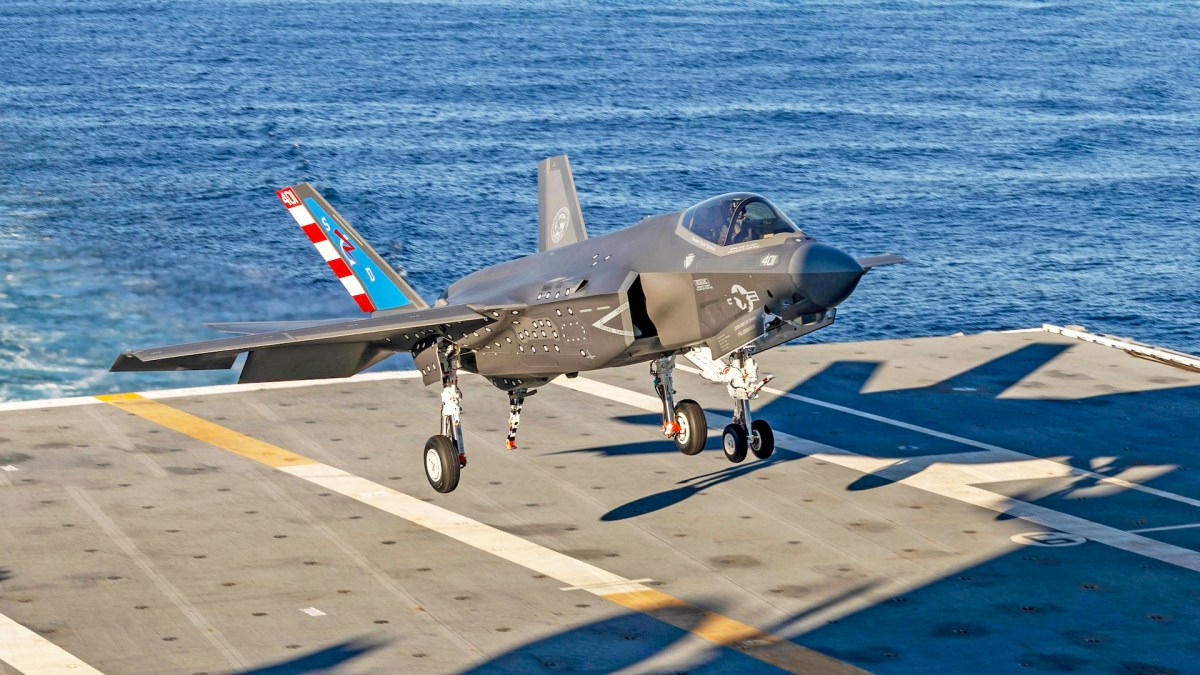
కొత్త విధానం
కొత్త ఫ్రేమ్వర్క్ కింద, సైన్యం సాంకేతిక సమాధానాల కంటే కార్యాచరణ సమస్యల చుట్టూ EW కొనుగోలును సంస్థాపన చేస్తుంది. అපరిమిత స్పెసిఫికేషన్లను చెప్పే కంటే మేము ఈ ఫ్రీక్వెన్సీ బ్యాండ్లలో ఈ శక్తి స్థాయిలో ఈ ప్లాట్ఫారమ్ నుండి jamming చేసే అవసరం ఉందని, సైన్యం పరిశ్రమను ఈ కార్యాచరణ పరిస్థితిలో ఈ స్పెక్ట్రమ్ యొక్క శత్రువు ఉపయోగాన్ని నిరాకరించాల్సిన అవసరం ఉందని సమస్యలతో సమర్పిస్తుంది మరియు కంపెనీలను వారి స్వంత సమాధానాలను సూచించమని అభ్యర్థిస్తుంది.
ఈ సమస్య-కేంద్రీక నమూనా ఇతర డిఫెన్స్ కొనుగోలు సంస్కరణలలో precedents ఉంది, DARPA యొక్క సాంప్రదాయిక సాంకేతికత అభివృద్ధి విధానం సహా. DARPA చాలా కాలం నుండి పరిశ్రమ మరియు అకాడెమియకు కఠిన సమస్యలను సమర్పిస్తుంది మరియు స్పెసిఫికేషన్-ఆధారిత కొనుగోలు ఎప్పుడూ ఉత్పత్తి చేసిన కాని రాడికల్ పరిష్కారాలను అంగీకరిస్తుంది. ఆపరేషనల్ కొనుగోలు సందర్భానికి సైన్యం యొక్క అనుసంధానం కొత్నది మరియు ఎక్కువ ప్రమాదం కలిగిస్తుంది, కానీ అధికారులు ఆ ప్రత్యామ్నాయం - నిన్నటి యొక్క సమాధానాలను నెమ్మదిగా ప్రక్రియ ద్వారా కొనుగోలు చేయడం కొనసాగించడం - threat ప్రస్తుతం అభివృద్ధి చేస్తున్న domain సర్వదిక ప్రమాదం కలిగిస్తుందని వాదిస్తారు.
ప్రోగ్రామ్ నిర్ణయాలు
కొత్త విధానం ప్రస్తుత EW ప్రోగ్రామ్ల కోసం ముఖ్యమైన పరిణామాలను కలిగి ఉండవచ్చు. పరిశ్రమ కొత్త ఫ్రేమ్వర్క్ ద్వారా సైన్యం యొక్క సమస్యల కు అంతర్గత సమాధానాలను ప్రదర్శించగలిస్తే, ప్రస్తుతం అభివృద్ధిలో ఉన్న లేదా ఇటీవల విస్తరించిన ప్రోగ్రామ్లు వారు రూపొందించిన సంఘర్షణకు ఎదుర్కొంటాయి. అధికారులు సూచించారు కొత్త విధానం ప్రోగ్రామ్ మార్పులకు దారితీయవచ్చు - ఒక దఫా పదబంధం, ఇది తరచుగా ఆధునిక సముచ్చయాలకు అనుకూలంగా ప్రస్తుత కరారు రద్దు లేదా పునర్నిర్మాణ కలిగిస్తుంది.
EW సోపానాలతో స్థాపిత ఫోకస్ను కలిగిన డిఫెన్స్ కంపెనీల కోసం, కొత్త ఫ్రేమ్వర్క్ అవకాశం మరియు threatening రెండూ సూచిస్తుంది. సాఫ్ట్వేర్-నిర్వచిత రేడియో సామర్థ్యాలు మరియు అనుకూల తరంగ సృష్టిని సహ కంపెనీలు సమస్య-కేంద్రీక పరిస్థితిలో పోటీ చేయడానికి సరిగ్గా ఉంటాయి. కూర్పు హార్డ్వేర్ తయారీదారులు స్థిర స్పెసిఫికేషన్ల కోసం సరిపోదిన సిస్టమ్లు వారి advantage కు eroded కలిగి ఉండవచ్చు.
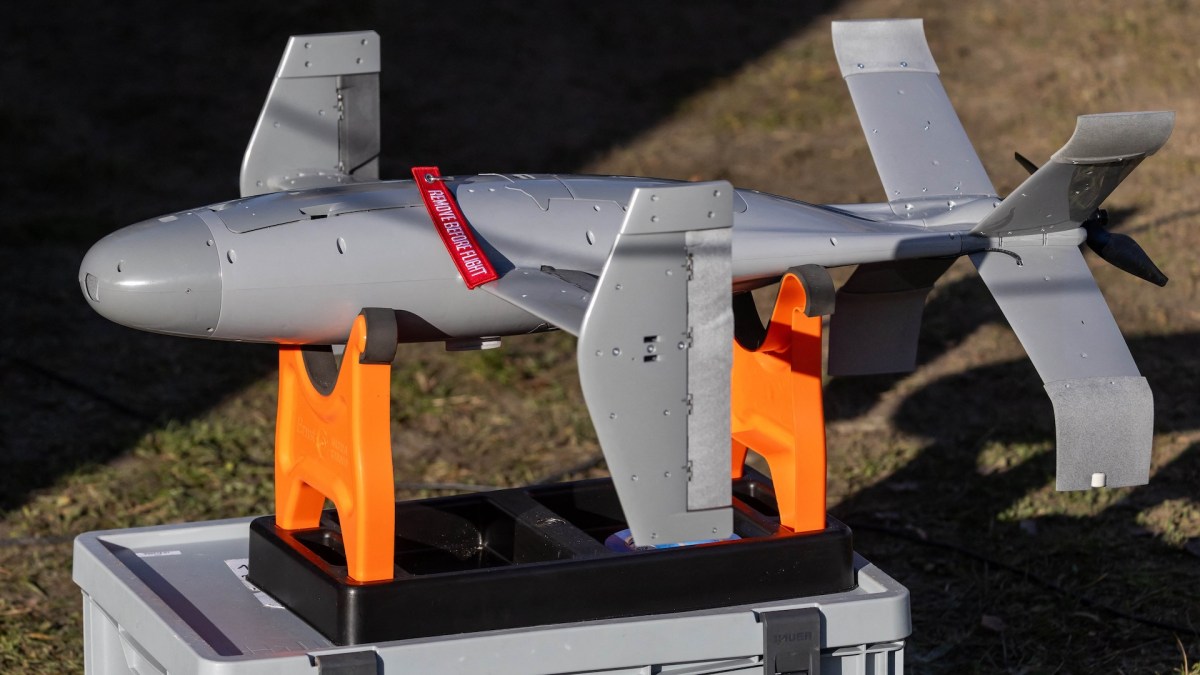
స్పెక్ట్రమ్ Contestation Challenge
సైన్యం EW సంస్కరణ సైనిక చిన్తకులు ఆధునిక సంఘర్షణ ఏదైనా ప్రధాన నిమజ్జనం యొక్క మొదటి గంటల నుండి విద్యుత్ చలన స్పెక్ట్రమ్ యొక్క నిరంతర, తీవ్రమైన contestation చేతనలో చిన్తనం చేస్తుంది సమయంలో వస్తుంది. Adversary EW సామర్థ్యాలు విగతం ఒక దశక అంతటా నాటకీయంగా మెరుగైన, మరియు ఎటువంటి కార్యాచరణ సంచయం GPS యొక్క నమ్మకమైన యోగ్యతను, రేడియో కమ్యూనికేషన్, లేదా ఉపగ్రహ పరిస్థితులను భర్తీ చేస్తుంది నిలువుగా పర్జన్యమైన ఆశాবాద ద్వారా పరిగణించబడుతుంది.
అనుకూల-ఎలక్ట్రానిక్ వార్ఫేర్ సిస్టమ్లను నిర్మించడం - విద్యుత్ చలన పరిస్థితిని గ్రహించగలిసే, threats నిర్ణయం చేయగలిసే, మరియు తనకు తానుగా స్పందనలను అనుకూల చేసుకోగలిసే - స్థిర అవసరాల కోసం ఆఫ్-సెట్ వ్యవస్థలను నిర్మించటలో నుండి భిన్నమైన సాంకేతిక కలశ చేతనకు పటిష్టమైనది. సైన్యం యొక్క కొత్త కొనుగోలు విధానం డిఫెన్స్ పరిశ్రమ ఆ సామర్థ్యాలను ప్రస్తుత సిస్టమ్ అనుమతిస్తుంది కంటే వేగవంతంగా విపణనకు వస్తాయనీ ట్రిగ్గర్లకు చేర్చవచ్చు. అధికారులు స్పష్టం చేసారు సరిపెట్టు సాంకేతిక కఠినత నిరాకరణ కాదు కానీ ఆ EW కొనుగోలు సరిపెట్టు సిస్టమ్ చేసటానికి ప్రయత్నం చేస్తుంది అలాగే అనుకూలమయ్యే అవసరం ఎసైస్.
ఈ వ్రాతలు Breaking Defense ద్వారా నివేదన ఆధారం గా ఉంది. అసలు వ్రాత చదువుకోండి.
Originally published on breakingdefense.com