ఒక సంక్షిప్త దృశ్యం, కానీ దాని వెనుక పెద్ద grid సమస్య
IEEE Spectrum మరియు Wiley ద్వారా ప్రచారం పొందిన on-demand webinar, power engineeringలో జరుగుతున్న వాస్తవ సాంకేతిక మార్పుకు సంక్షిప్త స్నాప్షాట్ ఇస్తుంది: modeling మరియు simulation ఇప్పుడు పూర్తిగా భిన్నమైన టైమ్స్కేల్స్ మరియు ఆపరేటింగ్ పరిస్థితులపై పని చేయాలి. MathWorks స్పాన్సర్ చేసిన ఈ session, Simulink మరియు Simscape Electrical ఉపయోగించి quasi-static studies, అందులో 8760-hour analysis కూడా ఉంది, నుంచి modern power systems కోసం electromagnetic transient, లేదా EMT, simulations కి ఎలా మారాలో కేంద్రీకరిస్తుంది.
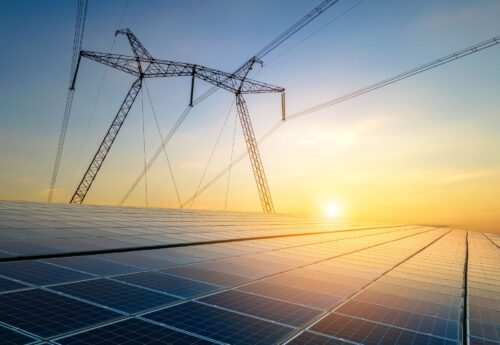
ఇది sponsored event అయినప్పటికీ, ఇందులోని అంశాలు పెద్ద పరిశ్రమ నిజాన్ని సూచిస్తున్నాయి. inverter-based resources ఉత్పత్తి మరియు grid ప్రవర్తనలో మరింత కేంద్రీయంగా మారుతున్నందున power grids వేగంగా మారుతున్నాయి. ఈ మార్పు modeling burden ను పెంచుతోంది. ఇకపై engineers కు ఉన్నతస్థాయి planning tools మాత్రమే సరిపోవు; fault behavior, system reconfiguration, stability concerns, మరియు converter-dominated networks లో code compliance ను పట్టుకునే మార్గాలు కూడా కావాలి.
టైమ్స్కేల్స్ ఎందుకు ముఖ్యము
వెబినార్ వివరణలో అత్యంత వెల్లడించేది అనేక టైమ్స్కేల్స్ పై దాని దృష్టి. ఒక వైపు 8760-hour simulations వంటి quasi-static studies ఉన్నాయి, ఇవి మొత్తం సంవత్సరాన్ని చూసేందుకు ఉపయోగపడతాయి. ఇవి planning, utilization, మరియు broad operational trends కోసం ఉపయోగకరం. మరో వైపు EMT simulations ఉన్నాయి, ఇవి power electronics గ్రిడ్ను మరింత ఆకృతీకరించే సమయంలో ముఖ్యం అయిన వేగవంతమైన electrical dynamics ను పట్టుకుంటాయి.
ఈ మార్పు కేవలం అలంకారాత్మకం కాదు. సంప్రదాయ power systems తరచుగా rotating machinery మరియు నెమ్మదైన dynamics కు సరిపోయే assumptions తో విశ్లేషించబడేవి. inverter-based resources విస్తరించేకొద్దీ, engineers చాలా వేగంగా మరియు భిన్నమైన control characteristics తో జరిగే interactions ను అర్థం చేసుకోవాలి. ఈ రెండు దృక్కోణాలను కలిపే simulation environment స్పష్టంగా ఆకర్షణీయమైనది.
ప్రణాళిక నుంచి disturbances వరకు
వెబినార్ వివరణ ప్రకారం, ఈ models faults ను విశ్లేషించడానికి, network reconfiguration ను అన్వేషించడానికి, system stability ను అంచనా వేయడానికి, మరియు code compliance ను పరీక్షించడానికి ఉపయోగించబడతాయి. ఇవన్నీ కలిపి grid analysis పరిధి విస్తరిస్తున్నదని చూపుతాయి.
Fault analysis మౌలికమైనదే, ఎందుకంటే grids cascade failure లేకుండా అసాధారణ పరిస్థితులను తట్టుకోవాలి. Distributed resources మరియు మారుతున్న load patterns కారణంగా operators కు flexibility అవసరమయ్యే కాబట్టి network reconfiguration ముఖ్యం. generation mix మారుతున్నందున stability analysis మరింత కీలకమైంది. Code compliance, meanwhile, technical rules కు అనుగుణంగా resources మరియు controls ఎలా ప్రవర్తిస్తున్నాయో నిరూపించాల్సిన ప్రాధాన్యత పెరుగుతుండటాన్ని సూచిస్తుంది.
ఇవన్నీ కలిపి చూస్తే, grid simulation ఇక equipment design లేదా పరిమిత operating envelope ను ధృవీకరించడానికే కాదు. ఇది modern power system యొక్క పూర్తి జీవితచక్రంలో planning, integration, మరియు assurance కు ఒక ప్రధాన పొరగా మారుతోంది.
ఇన్వర్టర్-ఆధారిత grid సవాలు
వెబినార్ స్పష్టంగా inverter-based resources grid integration ను సూచిస్తుంది. ఇది ముఖ్యమైన పదబంధం. Solar, battery storage, మరియు ఇతర converter-based technologies flexibility మరియు కొత్త సామర్థ్యాలను చేర్చగలవు, కానీ అవి వ్యవస్థ స్వభావాన్ని కూడా మార్చేస్తాయి. వాటి controls, interactions, మరియు disturbances కు ప్రతిస్పందన తరచూ పాత పద్ధతులకంటే చాలా వివరమైన modeling ను కోరుతుంది.
అందుకే EMT simulation grid engineering చర్చల్లో మరింత కనిపిస్తోంది. గ్రిడ్లో converter-dominated assets వాటా పెరిగేకొద్దీ, చిన్న modeling assumptions కూడా ఎక్కువ ప్రాధాన్యం పొందుతాయి. Engineers system విస్తృతంగా balance లో ఉందో లేదో మాత్రమే కాక, fast transients మరియు అసాధారణ సంఘటనల సమయంలో అది ఎలా ప్రవర్తిస్తుందో కూడా తెలుసుకోవాలి.
simulation ఒక మౌలిక వసతి
మూల పాఠ్యం Simscape Electrical ను power systems మరియు power converters రెండింటినీ model చేయడానికి ఒక platform గా చూపిస్తుంది. దీనిని product pitch గా చూడొచ్చు లేదా technical proposition గా చూడొచ్చు, కానీ underlying message ఒక broader trend కు అనుగుణంగా ఉంది: simulation tools ఇక specialist software మాత్రమే కాదు, engineering teams కోసం operational infrastructure గా మారుతున్నాయి.
ఇది ముఖ్యమైంది, ఎందుకంటే utilities, manufacturers, మరియు developers planning, validation, మరియు integration అంతటా consistent workflows అవసరపడుతున్నారు. ఈ workflows ఎంత fragmented గా ఉంటే, results ను పోల్చడం, assumptions ను track చేయడం, మరియు ఒక analysis stage నుంచి మరొకదానికి వెళ్లడం అంత కష్టం. గంటల పాటు సాగే planning models మరియు millisecond-scale disturbance analysis ను కలిపే toolchain ఆకర్షణ స్పష్టంగా ఉంటుంది.
స్పాన్సర్డ్ ఈవెంట్, కానీ నిజమైన engineering signal
ఈ వెబినార్ ఒక on-demand digital event, registration అవసరం, మరియు ఇది స్పష్టంగా sponsored content. అందువల్ల దీనికి independent reporting లాగా అధిక బరువు ఇవ్వకూడదు. అయినప్పటికీ, ఇది చూపిస్తున్న technical topics యాదృచ్ఛికం కావు. అవి modern grids engineers మరియు వారు ఉపయోగించే software నుండి మరింత కోరుతున్నాయనే విషయాన్ని ప్రతిబింబిస్తాయి.
power systems మరింత ఎక్కువగా converter-based resources ను స్వీకరిస్తూ, మరింత విభిన్న operating demands ను ఎదుర్కొంటున్నందున, long-term planning studies మరియు high-resolution transient analysis మధ్య ఉన్న పాత విభజనను నిలబెట్టుకోవడం కష్టమవుతోంది. engineering stack ఈ domains ను కలపాలి.
ఈ event description నుండి అత్యంత స్పష్టమైన takeaway ఇదే. భవిష్యత్ grid కేవలం పెద్దది, శుభ్రం, లేదా మరింత digital మాత్రమే కాదు. దాన్ని model చేయడం కూడా కష్టమే, అందుకే simulation ఒక strategic capability అవుతోంది.
ఈ వ్యాసం content.knowledgehub.wiley.com నివేదికల ఆధారంగా ఉంది. మూల వ్యాసాన్ని చదవండి.
Originally published on content.knowledgehub.wiley.com