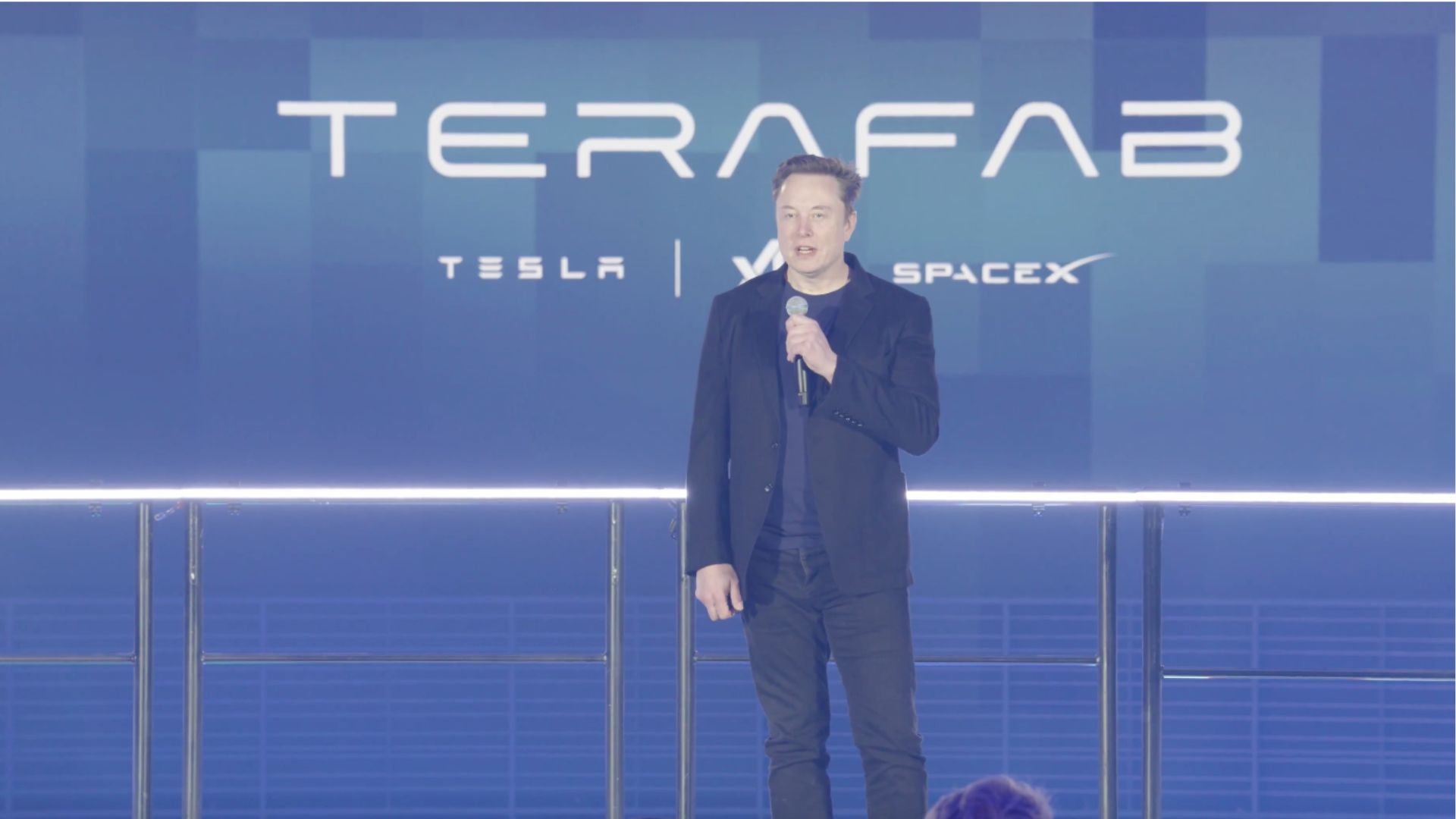
The Semiconductor Bet Behind Terafab
Elon Musk has a pattern of identifying industrial bottlenecks and attempting to vertically solve them. Tesla attacked the battery supply chain. SpaceX dismantled launch economics. The Boring Company went after urban tunneling. Now, with Terafab, Musk is taking aim at what may be the single largest constraint on AI development: semiconductor manufacturing capacity.
Terafab is framed as a next-generation chip manufacturing initiative, targeting the wafer fabrication and packaging capabilities that the AI industry has been straining against since 2022. The announcement is light on technical specifics but heavy on ambition — Musk has described it as an attempt to "reshape the semiconductor industry" for the demands of artificial general intelligence.
Why Semiconductor Capacity Is the Binding Constraint
The AI industry's explosive growth has been accompanied by equally explosive demand for compute. Training frontier models requires thousands of the most advanced GPUs running for months. Inference at scale — serving those models to millions of users — requires even more hardware. NVIDIA, which dominates the AI chip market, cannot manufacture its GPUs fast enough to meet demand.
The bottleneck isn't NVIDIA's design capability. It's TSMC's fabrication capacity. TSMC manufactures virtually all of the most advanced chips in the world, and it can only expand capacity so quickly. New fabs take three to five years and tens of billions of dollars to build and bring online. The demand from AI companies, cloud providers, and militaries worldwide is straining a manufacturing ecosystem that wasn't designed to scale this fast.

What Terafab Is Proposing
Details on Terafab's technical approach remain sparse, but the initiative appears to target both traditional wafer fabrication and the advanced packaging technologies — like chiplet integration and 3D stacking — that are increasingly important for AI hardware. These packaging steps are a distinct manufacturing challenge from wafer fabrication and one where new entrants face fewer barriers than in leading-edge fab construction.
The initiative likely draws on expertise from xAI, Musk's AI company, which has firsthand experience with the pain of AI compute procurement. xAI's Colossus training cluster, reportedly one of the largest in the world, required navigating the same supply constraints that Terafab is ostensibly designed to address.
The Credibility Question
Building a leading-edge semiconductor fab is one of the most capital-intensive and technically demanding industrial projects in existence. TSMC, Samsung, and Intel have invested hundreds of billions of dollars over decades to reach their current capabilities. A new entrant faces not just cost barriers but deep technical expertise gaps that take years to develop.
Terafab's most plausible near-term path may not be building advanced logic fabs from scratch, but rather pursuing advanced packaging and assembly capabilities that sit downstream of wafer fabrication — less capital-intensive but still genuinely valuable in the current supply chain environment.

Strategic Context
Musk's motivations for Terafab likely include both commercial and strategic considerations. Commercially, a domestic semiconductor manufacturing capability would reduce xAI's dependence on NVIDIA and TSMC. Strategically, reducing US dependence on TSMC, located in geopolitically sensitive Taiwan, aligns with arguments Musk has made repeatedly about supply chain security.
The timing is also relevant. The US CHIPS Act has created substantial subsidies for domestic semiconductor manufacturing, and several new fabs — Intel, TSMC Arizona, Samsung Texas — are coming online or planned. Terafab would enter a market with significant government support for domestic production.
The semiconductor industry will be watching for concrete commitments: capital raises, facility announcements, equipment orders, and executive hires with deep fab experience. Ambitious announcements in this space are common; what's rare is the follow-through. Terafab's credibility will be established by actions rather than announcements.
This article is based on reporting by Interesting Engineering. Read the original article.
Originally published on interestingengineering.com