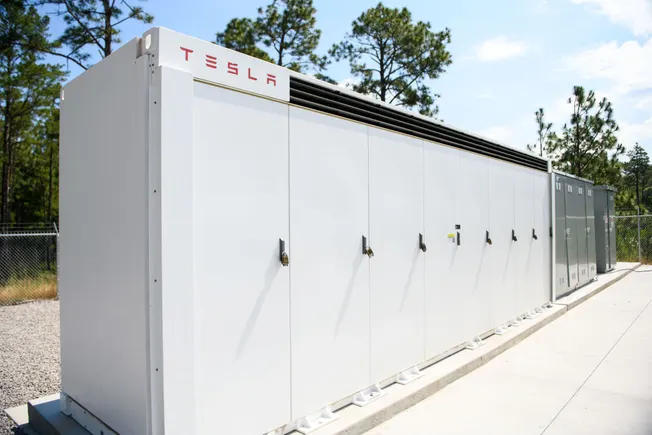
దేశీయ బ్యాటరీ తయారీపై ఒక ప్రధాన పందెం
Tesla మరియు LG Energy Solution Michigan లో బ్యాటరీ తయారీ సదస్సును నిర్మించటానికి ఒక చరిత్రాత్మక $4.3 బిలియన్ల సంయుక్త వెంచర్ను ఘోషించారు, ఇది ఇటీవల సంవత్సరాలలో అమెరికన్ శక్తి నిల్వ సంస్థాపనలో అతిపెద్ద ఒక ఏకైక పెట్టుబడిని సూచిస్తుంది. ఈ ప్లాంట్ 2027లో ఆపరేటివ్ అయ్యేందుకు ఆశించబడుతోంది మరియు Tesla యొక్క Megapack 3 ప్లాట్ఫారమ్ కోసం బ్యాటరీ సెల్ల ఉత్పత్తికి సమర్పితమైంది — ఇది కంపెనీ యొక్క ఫ్లాగ్షిప్ గ్రిడ్-స్కేల్ శక్తి నిల్వ ఉత్పత్తి యొక్క మూడవ తరం.
ఈ ఒప్పందం ఎలక్ట్రిక్ వెహికిల్ సరఫరా చెయిన్లు మరియు స్థిర శక్తి నిల్వ యొక్క త్వరణం చేసే సమ్మేళనాన్ని రేఖాంకితం చేస్తుంది, ఆటోమేకర్లు మరియు వారి సరఫరాదారులు గ్రిడ్ బ్యాటరీలు తమ స్వంత హక్కులలో ఒక భారీ మరియు వేగవంతమైన వృద్ధిసాధన చేసే మార్కెట్ను సూచిస్తాయని గుర్తించారు. Tesla యొక్క Megapack సిస్టమ్లు యూటిలిటీలు, పునర్నవీకరణ శక్తి డెవలపర్లు, మరియు పెద్ద వాణిజ్య ఆపరేటర్ల ద్వారా సోలార్ మరియు విండ్ జెనరేషన్ నుండి మిగిలిన విద్యుత్ను నిల్వ చేయుటకు అమర్చారు, మరియు డిమాండ్ పైప్లైన్ సంవత్సరాల పాటు ఉత్పత్తి సామర్థ్యాన్ని అధిగమించింది.
Michigan ఎందుకు మరియు ఇప్పుడు ఎందుకు
Michigan ను ప్లాంట్ సైట్గా ఎంచుకోవటం దేశీయ బ్యాటరీ సరఫరా చెయిన్ను ఉంచటానికి రాష్ట్రం యొక్క ఆక్రమణాత్మక ప్రయత్నాన్ని ప్రతిబింబిస్తుంది. రాష్ట్రం గిగాఫ్యాక్టరీ పెట్టుబడులను ఆకర్షించటానికి పెద్ద ప్రోత్సాహన పేకేజీలను అందించింది, మరియు దాని ఇప్పటికే ఉన్న తయారీ శ్రమశక్తి బ్యాటరీ ఉత్పత్తి అవసరమైన ప్రత్యేక సమాబేశ కార్యకలాపాల కోసం ఒక ఆధారం అందిస్తుంది.
LG Energy Solution కోసం, ఈ ఒప్పందం Tesla తో ఇప్పటికే గణనీయమైన సంబంధాన్ని లోతుగా చేస్తుంది. LG చారిత్రికంగా Tesla యొక్క కీ సెల్ సరఫరాదారుల్లో ఒకటిని ఉండింది, మరియు ఈ స్కేల్ యొక్క సంయుక్త వెంచర్ ఒక వ్యూహాత్మక సమరూపతను సంస్థాపితం చేస్తుంది, ఇది సాధారణ సరఫరాదారు ఒప్పందానికి దూరం. ఇది U.S. స్థిర నిల్వ మార్కెట్ — కేవలం EVలు కాదు — గిగావాట్-గంట స్కేల్లో సమర్పితమైన దేశీయ ఉత్పత్తిని సమర్థించటానికి LG యొక్క విశ్వాసాన్ని సూచిస్తుంది.
నిరంతర వాణిజ్య మరియు ట్యారిఫ్ давления యొక్క సందర్భంలో సమయం కూడా ముఖ్యమైనది. దేశీయంగా నిర్మించటం బ్యాటరీ సెల్ల దిగుమతి డ్యూటీల నుండి రెండు కంపెనీలను నిర్వహిస్తుంది మరియు వారిని శక్తి నిల్వ ప్రాజెక్టుల కోసం ఇన్ఫ్లేషన్ రిడక్షన్ యాక్ట్ చేసిన పెట్టుబడి ఉపహార పన్నులలో ఉన్న దేశీయ కంటెంట్ అవసరాల నుండి ప్రయోజనం పొందటానికి నిలబెట్టుకుంటుంది.
Megapack 3: ఏమి పూర్ణ ఉందో
Megapack 3 Tesla యొక్క అతిశక్తిమైన గ్రిడ్ నిల్వ ఉత్పత్తి, ఉన్నత శక్తి సాంద్రత, మెరుగైన థర్మల్ నిర్వహణ, మరియు దాని పూర్వీకుల తోలిస్తే గణనీయంగా తగ్గిన ఇన్స్టలేషన్ పాదచిహ్నంతో ఫీచర్ చేయబడింది. ప్రతి Megapack 3 యూనిట్ విద్యుత్లో సుమారు 3.9 మెగావాట్-గంటలను నిల్వ చేయగలదు — అసలు Megapack యొక్క సామర్థ్యానికి సుమారు రెండు రెట్లు — ఇది బ్యాలెన్సు-సిస్టమ్ ఖర్చులను తగ్గిస్తుంది మరియు పెద్ద-స్థితి ప్రాజెక్టుల వద్ద అమర్చటను వేగవంతం చేస్తుంది.
యూటిలిటీ ఆపరేటర్లు మరియు స్వతంత్ర శక్తి నిర్మాతలు Tesla తో Megapack సిస్టమ్ల కోసం మల్టీ-గిగావాట్-గంట కొనుగోల్ చేసిన ఒప్పందాలను సంతకం చేసారు, గ్రిడ్ ఆపరేటర్ల విరిగిపడిన పునర్నవీకరణ జెనరేషన్ సంతులనం చేయటానికి నిల్వపై పెరుగుతున్న ఆధారపడటం ద్వారా నడిచారు. కాలిఫోర్నియా, టెక్సాస్, మరియు అనేక మిడ్వెస్టర్న్ రాష్ట్రాలు పునర్నవీకరణ పోర్ట్ఫోలియోలు విస్తరిస్తున్నందున బ్యాటరీ నిల్వ ఇంటర్కనెక్షన్ అభ్యర్థనలలో విస్ఫోటక వృద్ధిని చూసాయి.
Michigan ప్లాంట్ యొక్క ఉత్పత్తి ఈ డిమాండ్ను కలిసిన కోసం నిర్వచించబడుతుంది. సెల్ సరఫరా తో Megapack సమాబేశకు నిలువుగా సమకాలీకరించటం ద్వారా, Tesla మరియు LG శక్తి నిల్వ పరిశ్రమ కోసం ఆర్డర్ బుక్ల మరియు పంపిణీ షెడ్యూల్ల మధ్య అంతరం మూసుకోవటానికి లక్ష్యం చేసుకుంటుంది.
పోటీ ల్యాండ్స్కేప్
ఈ ఘోషణ ఎక్కువ ఆటగాళ్లు ఏకకాల పెద్ద-స్థితి ఉత్పత్తి నిబద్ధతలను చేసే సెక్టర్లో పోటీని తీవ్రతరం చేస్తుంది. CATL, ప్రపంచం యొక్క అతిపెద్ద బ్యాటరీ తయారీదారు, వివిధ లైసెన్సింగ ఏర్పాట్లు కింద U.S. తయారీ భాగసంచయాన్ని ముందుకు తీసుకుంటూ ఉంది. Panasonic దాని నెవాడా గిగాఫ్యాక్టరీని విస్తరిస్తోంది. Samsung SDI మరియు SK On వరుసగా ఇండియానా మరియు జార్జియాలో ప్లాంట్లను రాంపింగ్ చేస్తున్నాయి.
Tesla-LG వెంచర్ను తేలియజేయటం దాని EVలకు బదులుగా స్థిర నిల్వపై ఏకీకృత ఫోకస్ — ఒక వ్యూహాత్మక అవస్థితీకరణ ఇది ఆ గ్రిడ్ నిల్వ, కేవలం ప్రసరణ కాదు, వచ్చిన దశక యొక్క నిర్ణయించే బ్యాటరీ మార్కెట్ ఉంటుందని విశ్వాసం ప్రతిబింబిస్తుంది. విశ్లేషకులు U.S. గ్రిడ్ నిల్వ మార్కెట్ 2030 నుండి 200 గిగావాట్-గంటలకు సంవత్సరానికి ఇంటర్ఫేస్ కనుక్కోవటం కూడా పరిధిలో ఉంటుందని ప్రాజెక్ట్ చేస్తారు, సుమారు 30 గిగావాట్-గంటల నుండి ఈ రోజు.
కార్మకుల బల మరియు ఆర్థిక ప్రభావం
ఈ ప్లాంట్ నేరుగా సంబంధిత సారాలకు సంబంధిత కార్మకుల సంఖ్య కనుక్కోవటం ఆశించబడుతుంది, సరఫరా చెయిన్ అంతటా ముడి పదార్థాలు, భాగాలు, మరియు సరుకుల కోసం అదనపు పరోక్ష పనులు సృష్టించారు. Michigan అధికారులు పూర్వానికి స్వచ్ఛ శక్తి ఆర్థిక వ్యవస్థకు రాష్ట్రం యొక్క పరివర్తన యొక్క కీ స్తంభం వలె పెట్టుబడిని ఫ్రేమ్ చేసారు, బ్యాటరీ ఉత్పత్తి ఇప్పటికే ప్రాంతం యొక్క శ్రమశక్తిలో ఎంబెడ్ చేయబడిన అనేక విధానుల ఉపనిర్మాణ కార్యకలపిని లాభం చేసుకుంటుందని వాదించారు.
లేబర్ యూనియన్లు బ్యాటరీ కారఖానా చర్చలను దగ్గరగా చేసుకున్నాయి, మరియు ఈ సదస్సు ఎలా సంస్థాపితమైనది ఉందో చూయటానికి ఇది ఇంకా నిర్ణయించబడలేదు. Tesla మరియు LG రెండూ ఇతర సదస్సుల వద్ద పని పరిస్థితుల కోసం సమీక్ష చేయబడ్డాయి, మరియు Michigan లోని సంప్రదాయ సమూహాలు రాష్ట్ర ప్రోత్సాహన సమర్థన యొక్క నిబంధన వలె బలమైన లేబర్ ప్రామాణికాలను కోసం పిలుస్తాయి.
తరువాత ఏమి
కంపెనీలు Michigan లోపల సైట్ ఎంపిక ఇంకా చూపించటానికి సూచించారు, అనేక పట్టణాలు పెట్టుబడిని పోటీ చేస్తున్నాయి. నిర్మాణం 2026 చివరిలో ఆరంభమవ్వటానికి ఆశించారు, 2027 కోసం లక్ష్య చేయబడిన ప్రారంభ సెల్ ఉత్పత్తితో. పూర్తి సామర్థ్యం రాంప్ షెడ్యూల్లు మరియు సరంజామ ఆవర్తన సమయ సారాలను బట్టి 2028 లేదా 2029 నుండి ఆశించబడుతుంది. Tesla కోసం, ప్లాంట్ శక్తి ఆర్థిక వ్యవస్థ — చిరకాల నుండి వాహన విక్రయాలను కందిరిచిన ఒకటిని — ఈ దశక లోపల పోలిక ప్రమాణం యొక్క రాజస్వ స్తంభంగా ఉంటుందని ఒక పందెం సూచిస్తుంది.
ఈ వ్యాసం యూటిలిటీ డైవ్ ద్వారా విస్తరణపై ఆధారపడినది. అసలు వ్యాసం చదువండి.
Originally published on utilitydive.com