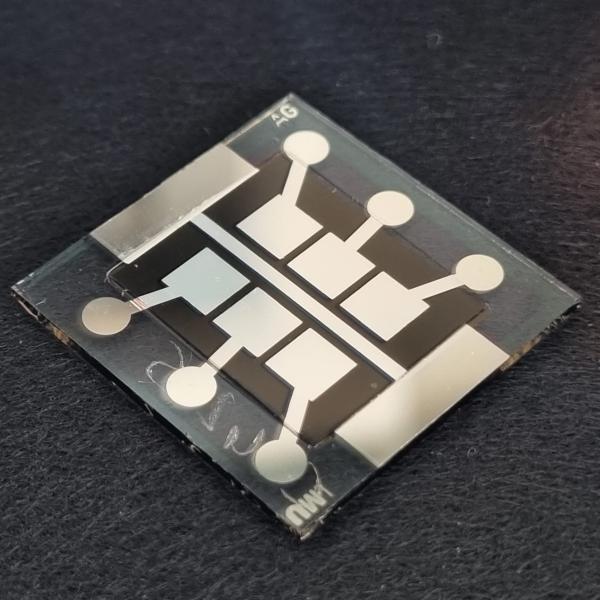
అంతరిక్షంలో సౌర ప్యానెల్లను అమర్చడంలో సమస్య
లో ఎర్త్ ఆర్బిట్లోని సౌర ప్యానెల్లు భూమిపై ఉన్న ఏ ఏర్పాటూ ఎప్పుడూ ఎదుర్కోని ఒక పరిస్థితిని ఎదుర్కొంటాయి: తీవ్రమైన ఉష్ణోగ్రత మార్పులు, ప్రతి 90 నిమిషాలకు ప్రత్యక్ష సూర్యకాంతి నుండి భూమి నీడలోని తీవ్రమైన చలికి చక్రంలా మారుతూ ఉంటాయి. ఉష్ణోగ్రతలు -80°C నుంచి +80°C వరకు వేగంగా మారవచ్చు, దీనివల్ల భూమిపై ఎదురయ్యే దేనికన్నా చాలా వేగంగా సంప్రదాయ సౌర కణ పదార్థాలను దెబ్బతీసే యాంత్రిక ఒత్తిడులు ఏర్పడతాయి.
పెరోవ్స్కైట్ సౌర కణాల విషయంలో — అధిక సామర్థ్యం మరియు తక్కువ తయారీ ఖర్చు కారణంగా విస్తృతమైన పరిశోధన ఆసక్తిని పొందిన ఫోటోవోల్టాయిక్ పదార్థాల వర్గం — ఈ ఉష్ణ అస్థిరత ఒక కీలక అడ్డంకిగా మారింది. ఇప్పుడు, జర్మనీలోని Ludwig-Maximilians-Universität München (LMU) లోని పరిశోధకుల బృందం దీనిని పరిష్కరించే మార్గాన్ని కనుగొంది. వారు అనుకరణ చేసిన అంతరిక్ష పరిస్థితుల కఠినతను తట్టుకునే మాత్రమే కాకుండా, 26% కంటే ఎక్కువ పవర్ కన్వర్షన్ సామర్థ్యంతో పనిచేసే పెరోవ్స్కైట్ సౌర కణాన్ని తయారు చేశారు.
ధాన్య సరిహద్దులు: బలహీన లింక్
ఈ పురోగతిని అర్థం చేసుకోవాలంటే, ఉష్ణ ఒత్తిడిలో పెరోవ్స్కైట్ సౌర కణాలు ఎక్కడ విఫలమవుతాయో అర్థం చేసుకోవాలి. ఈ కణాల్లోని పెరోవ్స్కైట్ పొర సూక్ష్మ స్ఫటిక ధాన్యాలతో ఉంటుంది, మరియు ఆ ధాన్యాల మధ్య సరిహద్దులు యాంత్రికంగా బలహీనంగా ఉంటాయి. కణం వేడెక్కి చల్లబడే సమయంలో, పెరోవ్స్కైట్ పదార్థం మరియు దాని కింద ఉన్న గాజు ఉపరితలం వేర్వేరు రేట్లలో విస్తరిస్తూ, సంకోచిస్తాయి. ఈ అసమతుల్యత ధాన్య సరిహద్దుల్లో, అలాగే పెరోవ్స్కైట్ ఫిల్మ్ మరియు దాని క్రిందనున్న గాజు మధ్య ఇంటర్ఫేస్లో కేంద్రీకృతమయ్యే ఒత్తిడిని సృష్టిస్తుంది.
కాలక్రమంలో, పునరావృత ఉష్ణ చక్రణం సూక్ష్మ పగుళ్లు వ్యాపించడానికి, లోపాలు పేరుకుపోవడానికి, మరియు పనితీరు తగ్గడానికి కారణమవుతుంది. ఈ దిగజారుదల యంత్రాంగం బాగా అర్థమైంది, కానీ దాన్ని పరిష్కరించడం కష్టసాధ్యంగా నిలిచింది, ఎందుకంటే యాంత్రిక స్థిరత్వాన్ని మెరుగుపరిచే మార్పులు తరచుగా విద్యుత్ పనితీరును రాజీపడేలా చేస్తాయి.
LMU బృందం ఈ రెండూ బలహీన ప్రాంతాలపై ఒకేసారి దాడి చేసింది. ఫిల్మ్ ఏర్పాటులో, వారు alpha-lipoic acid ను చేర్చారు. ఇది ఫిల్మ్ ఏర్పడే సమయంలో ధాన్య సరిహద్దుల మీదుగా పాలిమరైజ్ అవుతూ, వంకర తట్టగల అణు స్కాఫోల్డ్తో స్ఫటిక నెట్వర్క్ను కలిపి కుట్టినట్లుగా బలపరుస్తుంది. దీని వల్ల పెరోవ్స్కైట్ పదార్థం యొక్క విద్యుత్ లక్షణాలు నిలుపుకుంటూనే, ధాన్య ఇంటర్ఫేస్ల వద్ద లోపాల సాంద్రత తగ్గుతుంది.

ఫిల్మ్ను ఉపరితలానికి బలంగా అనుసంధానించడం
రెండో జోక్యం పెరోవ్స్కైట్ పొర మరియు గాజు ఉపరితలం మధ్య ఇంటర్ఫేస్ను లక్ష్యంగా చేసుకుంది. పరిశోధకులు సల్ఫోనియం-ఆధారిత అణు డెరివేటివ్ను ఉపయోగించి, పెరోవ్స్కైట్ ఫిల్మ్ను ఉపరితలం మీద రసాయనపరంగా స్థిరపరిచారు. దీంతో వారు దాన్ని ఒక అంకర్డ్ నెట్గా వివరించారు, ఇది పొరలు ఉష్ణ విస్తరణ మరియు సంకోచనం సమయంలో విడిపోకుండా, ఒకే యూనిట్గా కలిసి కదలడానికి సహాయపడుతుంది.
ఈ రెండు మార్పులు కలిపి, ఉష్ణ ఒత్తిడి అత్యంత నష్టం చేసే ఖచ్చితమైన చోట్లే బలపరిచిన నిర్మాణాన్ని ఏర్పరుస్తాయి. పరీక్షల్లో, కణాలను -80°C మరియు +80°C మధ్య 16 తీవ్రమైన ఉష్ణ చక్రాలకు గురిచేశారు — ఇది లో ఎర్త్ ఆర్బిట్లోని ఉపగ్రహం ఎదుర్కొనే ఉష్ణ వాతావరణాన్ని అనుకరించేందుకు ఎంచుకున్న పరిస్థితులు.
ఫలితాలు ప్రభావవంతంగా ఉన్నాయి. బలపరచిన కణాలు 16-చక్రాల పరీక్ష తర్వాత తమ ప్రారంభ సామర్థ్యంలో సుమారు 84% నిలుపుకున్నాయి. మార్పు చేయని రిఫరెన్స్ కణాలు అదే ప్రోటోకాల్లో గణనీయంగా ఎక్కువ నష్టాన్ని చూశాయి. బలపరచిన కణాల పవర్ కన్వర్షన్ సామర్థ్యం 26% కు చేరింది — రిఫరెన్స్ కణాల కంటే సుమారు 3 శాతం పాయింట్లు ఎక్కువ, ఇది సౌర కణ అభివృద్ధిలో అత్యంత పోటీభరితమైన రంగంలో గణనీయమైన తేడా.
ఇది అంతరిక్షం మరియు భూమి కోసం ఎందుకు ముఖ్యమైంది
అంతరిక్ష ప్రయోగం స్పష్టమే: లో ఎర్త్ ఆర్బిట్ ఉష్ణ చక్రణాన్ని తట్టుకోగల తేలికపాటి, అధిక సామర్థ్య పెరోవ్స్కైట్ సౌర కణాలు ఉపగ్రహ విద్యుత్ వ్యవస్థలకు విప్లవాత్మక మార్పు తీసుకురాగలవు. ప్రస్తుతం అంతరిక్ష-యోగ్య సౌర కణాలు ప్రధానంగా మల్టీ-జంక్షన్ gallium arsenide నమూనాలు, ఇవి అత్యంత సమర్థవంతమైనవి కానీ తయారీ ఖర్చు ఎక్కువ. పెరోవ్స్కైట్ కణాలు భూమిలో లభించే పదార్థాలతో, తక్కువ ఖర్చు ప్రక్రియల ద్వారా తయారవుతాయి. ఇవి అంతరిక్ష పరిస్థితుల్లో నమ్మదగినవిగా నిరూపితమైతే, ఉపగ్రహాలు మరియు కక్ష్యా మౌలిక వసతులకు సౌర విద్యుత్ ఖర్చును గణనీయంగా తగ్గించగలవు.
దాని ప్రభావాలు కక్ష్యాలోనే ఆగవు. అంతరిక్ష ఆధారిత అనువర్తనాలు తరచుగా చివరకు భూస్థిత ఉత్పత్తుల్లోకి చేరే పదార్థాలు మరియు ఇంజినీరింగ్ పద్ధతుల కోసం పరీక్షా స్థలాలుగా పనిచేస్తాయి. వాక్యూమ్లో 160-డిగ్రీల ఉష్ణ మార్పులను తట్టుకునేలా రూపొందించిన పెరోవ్స్కైట్ కణం, మిన్నెసోటాలోని రూఫ్టాప్ సౌర ప్యానెల్ లేదా ఎడారి వాతావరణంలో ఉన్న వాహన-ఇంటిగ్రేటెడ్ సౌర వ్యవస్థ ఎదుర్కొనే మరింత మృదువైన ఉష్ణ చక్రణాన్ని ఖచ్చితంగా తట్టుకోగలదు.
పెరోవ్స్కైట్ సౌర సాంకేతికతను చాలా కాలంగా వాణిజ్యీకరణకు దాదాపు సిద్ధంగా ఉన్నదిగా వర్ణిస్తున్నారు. ప్రయోగశాల పరిస్థితుల్లో పరిశోధనా కణాలు పదే పదే సామర్థ్య రికార్డులను బద్దలు కొట్టాయి, కానీ వాస్తవ ప్రపంచ పరిస్థితుల్లో మన్నిక వెనుకబడి ఉంది. LMU యొక్క ఈ అధ్యయనం వంటి వాటి ద్వారా ఆ అంతరాన్ని మూసివేయడానికి అవసరమైన వ్యవస్థబద్ధ ఇంజినీరింగ్ పని కనిపిస్తోంది — ప్రాథమిక పదార్థం తనంతట తానే మరింత దృఢంగా మారుతుందని ఆశించడం కాకుండా, నిర్దిష్ట వైఫల్య రీతులను లక్ష్యిత అణు పరిష్కారాలతో ఎదుర్కొంటోంది.
వాణిజ్యీకరణ దారి
LMU బృందం తమ కనుగొనుగోళ్లను Nature Communications లో ప్రచురించింది, దీనితో శాస్త్రీయ సమాజానికి ఈ పనిని పునరుత్పత్తి చేసి, దాని మీద మరింత నిర్మించడానికి అవసరమైన సాంకేతిక దృక్పథం మరియు ప్రయోగాత్మక డేటా రెండూ అందాయి. ప్రధాన రచయిత Erkan Aydin ఫలితాల అర్థం ఏమిటో స్పష్టంగా చెప్పారు: "ఇది వాస్తవ ప్రపంచ అనువర్తనాలకు ఈ సాంకేతికతను ఉపయోగకరంగా మార్చడానికి మమ్మల్ని ఒక అడుగు మరింత దగ్గర చేస్తుంది."
వాణిజ్యీకరణకు ఇప్పటికీ పెద్ద-పరిమాణ ఉత్పత్తికి ద్వంద్వ అణు బలపరిచే ప్రక్రియను విస్తరించడం, 16 ఉష్ణ చక్రాలకన్నా వేల సంఖ్యలో చక్రాల మీద పనితీరును ధృవీకరించడం, అలాగే ఆర్ద్రత, UV, మరియు విద్యుత్ ఒత్తిడుల సమకాలీన పరిస్థితుల్లో పనితీరు నిలుపుదలను చూపించడం అవసరం. అయినప్పటికీ, ఉష్ణ స్థిరత్వం మరియు 26% సామర్థ్య పరిమితిని కలిసి సాధించడం, ప్రయోగశాల పురోగతి నుండి ప్రపంచ స్థాయి స్వచ్ఛ శక్తి సాంకేతికతకు సాగుతున్న దీర్ఘ ప్రయాణంలో ఒక ముఖ్యమైన మైలురాయిని సూచిస్తోంది.
ఈ వ్యాసం PV Magazine నివేదిక ఆధారంగా ఉంది. మూల వ్యాసాన్ని చదవండి.
Originally published on pv-magazine.com




